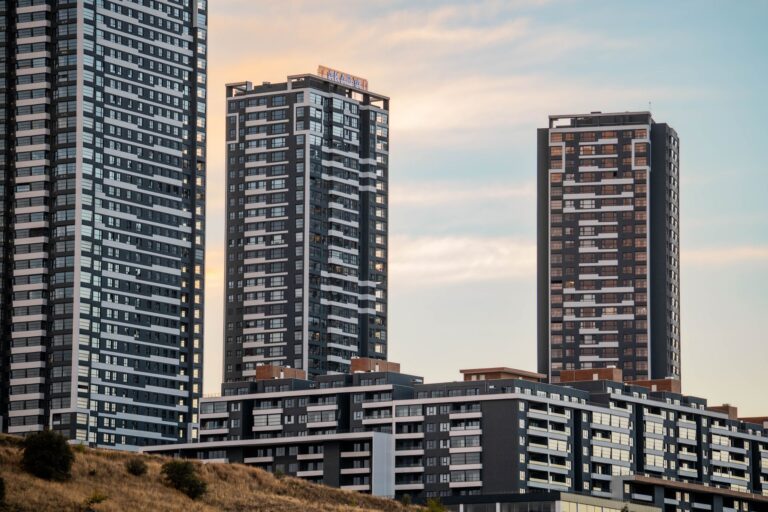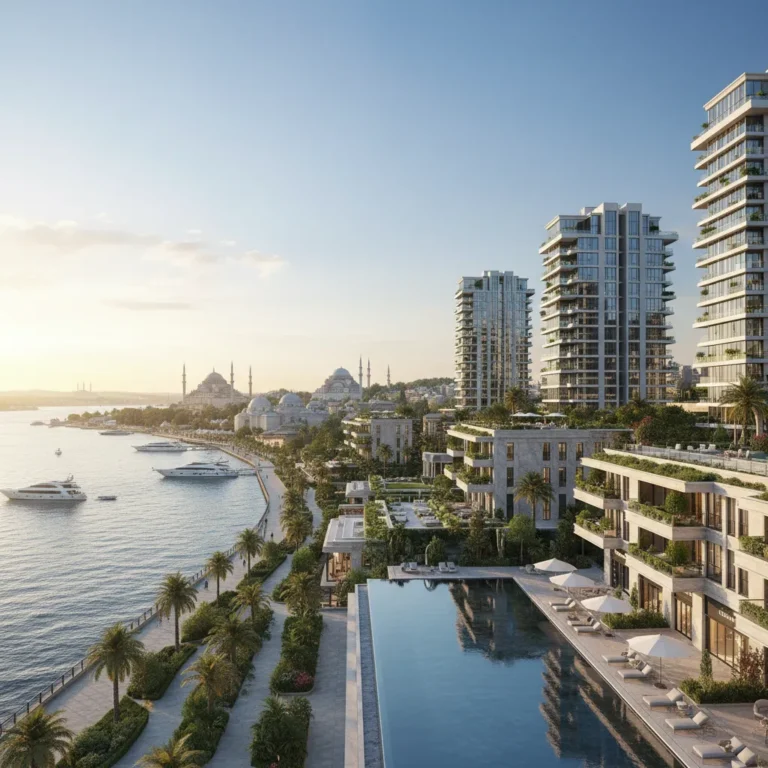
The Strategic Appeal of Properties for Sale in Turkey
The global real estate landscape has witnessed profound structural shifts over the past decade, yet few markets have demonstrated the sustained resilience, strategic dynamism, and capital appreciation potential found in Turkey. Positioned across two continents, Turkey serves as the quintessential bridge connecting European financial capitals, the rapidly growing markets of the Middle East, Central Asia, and North Africa. In 2026, purchasing properties for sale in Turkey is no longer merely a lifestyle choice for sun-seeking retirees or regional buyers; it has evolved into an institutional-grade investment strategy favored by international entrepreneurs, family offices, and high-net-worth individuals seeking portfolio diversification, solid rental yields, and sovereign mobility.
The modernization of the Turkish Land Registry (Tapu ve Kadastro Genel Müdürlüğü), accelerated digital title deed transfers, transparent zoning regulations, and competitive foreign exchange valuations have positioned the nation as a premier destination for global real estate capital. Whether your objective is acquiring a prime Bosphorus-facing penthouse in Istanbul, securing a contemporary Mediterranean villa with guaranteed seasonal yields in Antalya, or participating in large-scale master-planned communities offering pre-construction pricing, the Turkish property sector offers unprecedented breadth. Investors looking for end-to-end guidance can explore tailored options through Real Estate Investment in Turkey | Apartments and Villas for Sale to match their exact portfolio requirements.

Get a free consultation now, and let us help you choose the right property.
Macroeconomic Drivers Transforming Turkish Real Estate in 2026
Understanding the fundamental economics underpinning the Turkish property sector is vital for identifying undervalued assets and anticipating long-term capital trends. Several structural pillars continue to accelerate foreign and domestic demand:
- Demographic Expansion and Urbanization: With a median age under 34 and a population exceeding 85 million, domestic housing demand remains consistently elevated. The continuous migration of skilled professionals toward metropolitan hubs drives relentless rental absorption rates, particularly for modern 1+1 and 2+1 urban residences.
- Megaproject Infrastructure Integration: Turkey’s aggressive infrastructure deployment—including the expansion of Istanbul Airport’s logistics clusters, the Northern Marmara Motorway, trans-continental metro lines, and modernized high-speed rail links connecting major industrial corridors—has unlocked exponential land value increases in previously peripheral districts.
- Robust Foreign Direct Investment (FDI) Policies: Regulatory frameworks actively protect foreign buyers, offering reciprocal legal guarantees, straightforward title deed transfers, and substantial tax incentives such as Value Added Tax (KDV) exemptions for non-resident purchasers acquiring properties with foreign currency.
- Tourism Hegemony: Ranking consistently among the world’s top five most visited tourist destinations, Turkey’s hospitality expansion feeds directly into short-term rental yields. Properties licensed under modern short-term residential leasing regulations deliver double-digit net operating yields across coastal and metropolitan centers alike.
Regional Market Breakdown: Where to Buy Property in Turkey
Geographic diversity is one of Turkey’s greatest assets. Each region provides distinct micro-markets characterized by differing capital appreciation trajectories, rental yields, and lifestyle amenities.
1. Istanbul: The Epicenter of Commercial and Residential Growth
Istanbul remains the undisputed financial, cultural, and historic nucleus of Turkey, capturing the lion’s share of foreign property acquisitions. The city’s real estate ecosystem is divided between established European central business districts and rapidly appreciating Anatolian residential enclaves.
Prime Central and Historic Districts
Districts such as Şişli, Beşiktaş, Nişantaşı, and Beyoğlu attract buyers seeking historical prestige, elite retail corridors, and ultra-high-end luxury residences. While entry prices per square meter in these prime central locations are the highest in the country, the perpetual demand from international corporations, diplomats, and affluent locals guarantees steady capital preservation and liquidity.
The Western Growth Corridors (Basın Ekspres, Başakşehir, Beylikdüzü)
Investors seeking significant capital appreciation predominantly look to western Istanbul. The Basın Ekspres corridor, designed as a modern financial artery connecting the E-5 and TEM highways directly to Istanbul Airport, features high-density branded residences with integrated hotel concepts. Meanwhile, Başakşehir has matured into an impeccably planned, family-friendly municipality boasting extensive healthcare cities (Çam ve Sakura), vast botanical parks, and direct metro connectivity, making it a primary target for international families seeking stability and community.
The Anatolian (Asian) Side: Kadıköy, Üsküdar, and Maltepe
For high domestic lifestyle appeal and green urban planning, the Asian side of Istanbul offers immense long-term value. Kadıköy’s vibrant cultural avenues (such as Bağdat Caddesi) represent premier coastal urban living, while seaside projects in Maltepe and Kartal combine panoramic views of the Princes’ Islands with modern transit access to Sabiha Gökçen International Airport.
2. Antalya: The Jewel of the Turkish Riviera
Antalya is no longer just a holiday haven; it is a booming permanent residential and commercial hub. With year-round international flights, a sprawling expatriate infrastructure, and more than 300 days of sunshine annually, property in Antalya caters equally to lifestyle purchasers and yield-focused investors.
- Konyaaltı: Famous for its Blue Flag pebble beaches, modern promenade, and proximity to the Toros Mountains. The high-end residential projects in Hurma, Liman, and Molla Yusuf offer premium communal amenities, private swimming pools, and high short-term rental occupancy.
- Lara and Kundu: Sand beaches, luxury resort zones, and close proximity to Antalya International Airport make Lara the preferred choice for commercial real estate, elite apartments, and seasonal rentals targeting executive holidaymakers.
- Alanya: Positioned roughly two hours east of central Antalya (and served by Gazipaşa Airport), Alanya represents an exceptional value entry point. The district provides affordable luxury developments, sprawling residential resorts with comprehensive hotel-grade amenities, and robust capital growth driven by European and Scandinavian expatriates.
3. Bodrum and the Aegean Peninsula: Exclusive Luxury Living
Often referred to as the Saint-Tropez of Turkey, Bodrum represents the pinnacle of luxury, architectural innovation, and maritime lifestyle. The peninsula is defined by low-rise zoning laws designed to protect natural landscapes and historic aesthetics.
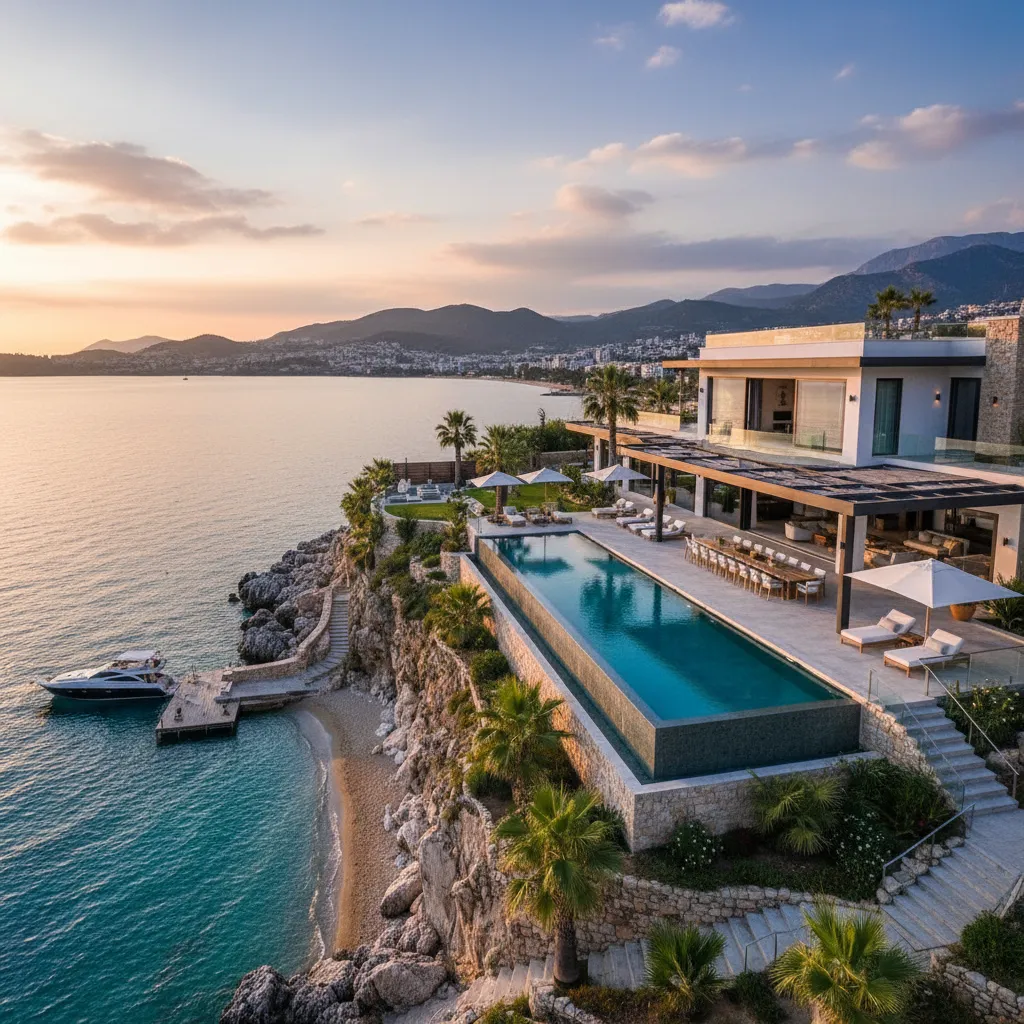
Neighborhoods like Yalıkavak, home to the award-winning superyacht marina, command international attention. Detached luxury villas here feature private infinity pools, smart-home automation, and private beach clubs. Other prominent bays, including Göktürkbükü, Gümüşlük, and Bitez, attract ultra-high-net-worth investors seeking safe-haven real estate assets, privacy, and substantial luxury seasonal returns.
4. Ankara, İzmir, and Emerging Regional Markets
While Istanbul and Mediterranean resort towns dominate headlines, provincial powerhouses present strategic alternative opportunities:
- İzmir: Known as the progressive coastal metropolis of the Aegean, İzmir combines an easygoing lifestyle with sophisticated industrial and technological foundations. Districts like Alsancak, Bornova, and the nearby holiday enclave of Çeşme present exceptional high-yield prospects.
- Ankara: As the political capital, Ankara offers stability driven by government institutions, embassies, and elite universities. Çankaya and İncek host premium residential complexes targeting international diplomats and civil servants, generating highly reliable long-term lease agreements.
- Bursa and Trabzon: Renowned for their lush green landscapes, cultural compatibility, and cooler climates, these cities maintain immense popularity among buyers from Gulf nations searching for spacious holiday homes and scenic mountainous villas.
Get a free consultation now, and let us help you choose the right property.
Turkish Citizenship by Investment (CBI): The Definitive 2026 Pathway
One of the most powerful catalysts behind the international acquisition of properties for sale in Turkey is the globally recognized Turkish Citizenship by Investment Program. Established to stimulate foreign capital inflow, the program grants full citizenship rights, a Turkish passport, and generational status to foreign investors and their immediate family members (spouse and children under 18 years of age).
Core Legal Requirements and Thresholds
To successfully qualify for citizenship via real estate acquisition, investors must comply with exact statutory guidelines established by the Ministry of Environment, Urbanization and Climate Change alongside the Directorate of Land Registry:
-
- Minimum Financial Threshold: The combined purchase price of real estate acquired must reach or exceed $400,000 USD (or equivalent in foreign currency converted through the Central Bank of Turkey). Multiple properties can be aggregated to achieve this minimum sum, provided their title deed applications are synchronized correctly.
- Three-Year Holding Obligation: A formal legal annotation (şerh) is registered on the title deed at the Land Registry, preventing the resale or encumbrance of the property for a minimum duration of three full years from the date of acquisition.
- Mandatory Valuation Report (Ekspertiz): An official appraisal report issued by a Capital Markets Board (SPK) licensed independent valuation company must verify that the property’s market value matches or exceeds the required threshold.
- Foreign Exchange Document (Döviz Alım Belgesi – DAB): The purchase funds must be transferred in foreign currency (such as USD, EUR, or GBP) to an authorized Turkish commercial bank, which converts the capital into Turkish Lira through the Central Bank of Turkey (TCMB) prior to the completion of the deed transfer.
Navigating the procedural nuances requires methodical execution. For a comprehensive walkthrough of the application workflow, review the Turkish Citizenship by Property: Step Guide. Investors preparing their acquisition strategy under the current legal frameworks should also reference the Turkish Citizenship by Property 2026: Full Guide to ensure complete alignment with official compliance updates.
Residency Alternative: Real Estate Residence Permit (İkamet)
For foreign nationals whose primary intent is legal residence without obtaining a passport, purchasing property qualifies the owner for a renewal-ready property residence permit. Under recent statutory regulations, the registered value on the title deed must meet designated regional valuation thresholds (historically updated to $200,000 in major urban zones). This permit grants the holder unrestricted living rights within the country and serves as a natural stepping stone toward citizenship after five years of consecutive legal residence, subject to national qualification standards.
Comprehensive Comparative Analysis: Major Property Investment Hubs
Before allocating capital, evaluating quantitative indicators across Turkey’s core geographical markets offers clarity on return expectations and investment horizons:
| City / Region | Average Price Range (sqm) | Projected Gross Rental Yield | Primary Buyer Target | Primary Investment Thesis |
|---|---|---|---|---|
| Istanbul (Prime Central) | $3,500 – $10,000+ | 4.5% – 6.0% | Institutional, High-Net-Worth | Capital preservation, liquid exit, ultra-luxury positioning |
| Istanbul (Suburban/Growth) | $1,500 – $3,200 | 6.5% – 8.5% | CBI Applicants, Families, Yield Hunters | Infrastructure upside, rapid urban regeneration |
| Antalya (Metropolitan & Coastal) | $1,800 – $4,500 | 7.0% – 10.0% | Holiday Home Seekers, Short-term Renters | Year-round tourism demand, lifestyle relocation |
| Bodrum Peninsula | $4,000 – $12,000+ | 5.0% – 8.0% | HNWI, Luxury Collectors, Boating Elite | Scarcity of land, high summer rental rates |
| İzmir & Aegean Coast | $1,400 – $3,500 | 5.5% – 7.5% | Domestic Expatriates, Tech Professionals | Balanced lifestyle, sustainable domestic growth |
| Bursa & Regional Hubs | $1,000 – $2,200 | 6.0% – 7.5% | Regional GCC Investors, Industrialists | Affordable entry price point, proximity to nature |
The Property Acquisition Process in Turkey: A Step-by-Step Blueprint
Securing a freehold title deed (Kat Mülkiyeti or Kat İrtifakı) in Turkey is transparent and protected by constitutional law. Foreign nationals enjoy identical property ownership rights to Turkish citizens, supported by streamlined civil procedures.
Phase 1: Property Sourcing and Legal Due Diligence
Engaging a reputable, licensed real estate consultancy is essential to avoid unverified developers or encumbered titles. Due diligence involves examining the Land Registry records to confirm:
- Clear ownership history free from mortgages (ipotek), court enforcement liens (haciz), or historical tax claims.
- Full municipal planning compliance and building habitation certificates (İskan).
- Floor division conformity ensuring the physical unit precisely corresponds to the legal unit registered on the cadastral plan.
Phase 2: Administrative Foundations (Tax Number and Banking)
Every foreign property buyer must obtain a Potential Tax Number (Vergi Kimlik Numarası), which can be acquired in minutes online via the Turkish Revenue Administration portal or in person at any local tax office. Next, an investor opens a resident or non-resident bank account with a premier Turkish banking institution (e.g., Ziraat Bank, Garanti BBVA, İşbank) to handle legal transfers, deposit verifications, and foreign exchange certificates.
Phase 3: Independent Property Valuation (Ekspertiz)
Turkish law mandates that every transaction involving a non-Turkish national requires a certified valuation report prepared by an SPK-accredited surveyor. The appraiser inspects the physical site, verifies structural health, checks building permits, and analyzes comparable market data to issue an authoritative valuation that forms the baseline for title deed registration and tax assessment.
Phase 4: Currency Exchange Certificate (Döviz Alım Belgesi – DAB)
Under the Capital Markets and Central Bank mandates, the full acquisition price must be routed through the Turkish banking network. The buyer transfers foreign currency to their Turkish bank, which exchanges it with the Central Bank of Turkey. The bank subsequently issues the mandatory DAB certificate containing the property’s cadastral parcel data and the buyer’s personal identity information.
Phase 5: Conveyance and Title Deed Issuance (Tapu Devri)
The conclusive legal step occurs at the local Land Registry Office (Tapu Müdürlüğü). Both the buyer (or their legally appointed attorney under a notarized Power of Attorney) and the seller appear before the land registrar. With a sworn translator present for non-Turkish speakers, the transaction documents are signed, and the physical freehold Title Deed (Tapu Senedi) is formally granted to the buyer.
Financial Breakdown: Taxes, Fees, and Closing Costs
Compared to many Western European jurisdictions that levy aggressive transfer duties, acquisition costs in Turkey remain exceptionally competitive. A standard transaction budget should account for the following expenses:
- Title Deed Transfer Fee (Tapu Harcı): Set at 4% of the declared property valuation. By general convention, this is frequently shared equally (2% by the buyer and 2% by the seller), although international contracts often allocate the full 4% to the buyer depending on commercial terms negotiated.
- Real Estate Valuation Fee: Fixed professional fee typically ranging between $200 and $500 depending on the size and complexity of the residential or commercial unit.
- Sworn Translator and Notary Charges: Document translations, passport notarizations, and translation services at the land office generally total $300 to $600.
- Compulsory Earthquake Insurance (DASK): Essential annual policy safeguarding against seismic events, typically costing between $40 and $150 per year based on structural square footage.
- Value Added Tax (KDV): Ranges from 1% to 20% on new property developments. However, qualifying non-resident international buyers are frequently eligible for a full KDV Exemption upon providing official proof of non-residency and transferring funds from overseas in foreign currency.
- Annual Property Tax (Emlak Vergisi): Modest municipal property tax paid annually, varying between 0.1% and 0.2% for residential properties in normal cities, and 0.2% to 0.4% in metropolitan municipalities such as Istanbul and Izmir.
Maximizing Returns: Effective Rental and Asset Management Strategies
Acquiring a premier asset represents only half of the investment lifecycle; structured post-purchase asset management determines long-term internal rates of return (IRR). International landlords commonly deploy two primary leasing frameworks:
1. Long-Term Corporate and Residential Leases
Securing high-profile corporate tenants, foreign diplomats, or domestic professionals provides continuous cash flow without seasonal volatility. Leases are typically signed for twelve-month rolling periods, with rental rates protected by statutory rent adjustment indices tied to official consumer price metrics (TÜFE). In institutional residential towers, tenants routinely absorb all building maintenance fees (Aidat), preserving the net operating income of the investor.
2. Short-Term Holiday and Executive Rentals
In resort communities like Antalya and Bodrum, or tourist hubs in Istanbul (such as Beyoğlu, Beşiktaş, and Kadıköy), short-term rentals managed through platforms like Airbnb and Booking.com yield substantial gross margins. Investors must ensure their property is located within a complex with registered hotel-concept licensing or adhere to municipal short-term lodging regulations enacted to standardize safety, licensing, and national identity reporting (KBS system integration).
Key Traps to Avoid When Buying Turkish Property
While the market presents exceptional growth potential, uninformed buyers can fall victim to avoidable pitfalls. Safeguard your portfolio by adhering to institutional standards:
- Avoid Unlicensed Intermediaries: Always partner with officially licensed and registered real estate brokerages with proven track records. Verify their corporate Chamber of Commerce credentials and ministerial registration numbers.
- Do Not Rely Solely on Marketing Materials: Physical inspections—or detailed, live video audits conducted by an independent legal representative—are essential to verify construction quality, soundproofing, and infrastructure completion.
- Never Under-Declare Title Deed Values: In historical transactions, secondary market sellers occasionally attempted to register lower property values at the land office to minimize taxes. For foreign investors, particularly those pursuing citizenship, every cent must correspond precisely with banking transfer receipts, DAB documents, and valuation reports.
- Scrutinize Off-Plan Developer Guarantees: When purchasing pre-construction or off-plan properties, ensure the development company holds proven balance-sheet capitalization, comprehensive completion guarantees, and a documented history of on-time delivery.
The Outlook for Real Estate in Turkey: 2026 and Beyond
The outlook for the Turkish property market remains decidedly robust. Structural demographic advantages, sustained demand from international wealth managers seeking geographic diversification, and the nation’s unassailable status as a regional industrial, aviation, and touristic powerhouse provide strong fundamental backing for both capital appreciation and ongoing rental growth.
As Turkey continues to refine its legislative frameworks, digitalize institutional land services, and enhance investor protection standards, global real estate participants are met with an extraordinarily diverse marketplace. By carefully matching asset selection with strategic goals—whether securing high-yield metropolitan apartments, tranquil Mediterranean luxury estates, or sovereign citizenship assets—investors can position themselves to harvest superior risk-adjusted returns across one of the world’s most dynamic real estate landscapes.