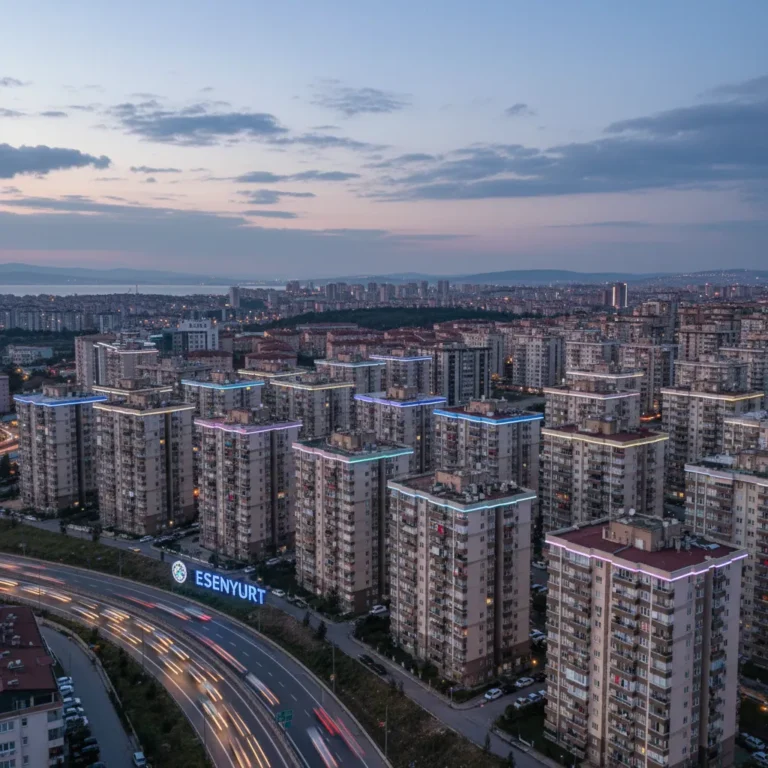
Securing a second passport through real estate has emerged as one of the most reliable global wealth preservation and mobility strategies. Istanbul, sitting at the strategic crossroads of Europe and Asia, remains the premier destination for international investors seeking to acquire Turkish nationality. However, navigating the intersection of Turkish immigration law and the dynamic Istanbul real estate market requires an exhaustive understanding of statutory requirements, title deed verification, currency conversion regulations, and micro-market fundamentals.
Not every real estate asset on the market qualifies for the citizenship program. The Turkish Citizenship by Investment (CBI) framework mandates strict valuation thresholds, specific ownership histories, and rigorous administrative compliance. For a complete procedural breakdown of the statutory framework, consult our Turkish Citizenship by Property 2026: Full Guide. This comprehensive guide examines the specific types of properties suitable for Turkish citizenship in Istanbul, highlighting prime locations, valuation mechanics, legal due diligence, and portfolio optimization strategies.
Legal Framework: What Makes a Property Suitable for Citizenship?
To successfully obtain Turkish citizenship through real estate investment, the property—and the transaction surrounding it—must satisfy several statutory criteria defined by the Directorate General of Land Registry and Cadastre (TKGM) and the Presidency of Migration Management (GÖÇ İdaresi).
1. The $400,000 Financial Threshold and Valuation Rules
The minimum investment threshold stands at $400,000 USD (or the equivalent in foreign currency). Crucially, this value is determined not merely by the agreed purchase price between buyer and seller, but by a mandatory Real Estate Valuation Report (Değerleme Raporu) prepared by a Capital Markets Board (SPK) licensed appraisal firm. The appraised value must meet or exceed the $400,000 threshold at the prevailing exchange rate on the date of transaction.
2. The Foreign Exchange Purchase Certificate (DAB)
Under the Central Bank of the Republic of Turkey (TCMB) regulations, foreign buyers cannot transfer foreign currency directly to the seller for citizenship-qualifying purchases. Instead, the buyer must convert their foreign currency (USD, EUR, GBP, etc.) into Turkish Lira through an intermediary Turkish bank, which executes the conversion with the Central Bank. The bank issues a Döviz Alım Belgesi (DAB), which establishes the official record of foreign capital inflow.
3. The Three-Year Holding Restriction (Şerh)
The title deed (Tapu) must be formally annotated with a restriction stipulating that the property cannot be sold, transferred, or assigned for a period of at least three full years from the date of acquisition. Investors retain full rights to occupy, lease, or generate commercial rental returns from the property throughout this statutory holding period.
4. Title Deed Types: Kat İrtifakı vs. Kat Mülkiyeti
Properties suitable for citizenship generally fall under two legal title classifications:
- Kat Mülkiyeti (Full Condominium Ownership): The building is entirely completed, has received an occupancy permit (İskan), and individual units are legally registered. This represents the lowest legal risk profile.
- Kat İrtifakı (Construction Servitude): Used for under-construction or newly finished projects. It establishes ownership shares of individual units based on the approved architectural project. For off-plan purchases, a notarized preliminary sales contract (Noter Satış Vaadi Sözleşmesi) reflecting a minimum $400,000 cash payment can be utilized.
5. Seller and Chain of Title Restrictions
A critical rule often overlooked is the ownership lineage of the asset. The property must be purchased either from a Turkish citizen or a Turkish corporate entity. A property previously owned by a foreign national, or one used by a previous owner to claim Turkish citizenship, cannot be used again for a citizenship application. Furthermore, the property must not be purchased from a legal entity where the foreign investor holds shares or familial relations with company directors.
Get a free consultation now, and let us help you choose the right property.
Categories of Citizenship-Eligible Properties in Istanbul
Istanbul’s property market offers diverse asset classes. Selecting the right property type depends on your risk tolerance, desired yields, and long-term residency plans. You can browse high-performing options in our curated selection of Real Estate Investment in Turkey | Apartments and Villas for Sale.
1. Luxury Master-Planned Residential Compounds (Siteler)
Gated residential developments (siteler) represent the most popular choice for citizenship applicants. These complexes offer 24/7 security, comprehensive amenities (swimming pools, fitness centers, underground parking, concierge services), and on-site property management. High-end developments in areas like Maslak, Şişli, and Kadıköy offer institutional-grade construction quality, ensuring transparent valuation reports that match official sales prices accurately.
2. Commercial Real Estate and Retail Assets
Investors seeking predictable, inflation-hedged income without residential tenant management often invest in commercial properties. Commercial assets eligible for citizenship include:
- Street-front Retail Shops: Leased to national supermarket chains, corporate pharmacies, or multinational retail brands on long-term (5-10 year) commercial leases.
- Grade-A Office Suites: Located in key central business districts (CBD) such as Levent, Ataşehir (Istanbul International Financial Center), and Kağıthane.
- Hotel Apartments / Branded Units: Managed by international hospitality brands offering guaranteed rental return agreements.
3. Luxury Villas and Waterfront Residences
For ultra-high-net-worth investors, detached villas in Istanbul’s scenic green corridors and coastal enclaves provide both lifestyle luxury and citizenship eligibility. High-value areas include Sarıyer (Zekeriyaköy, Tarabya), Beykoz, and Çekmeköy. Waterfront Yalı mansions along the Bosphorus strait represent the pinnacle of prestige real estate, easily exceeding the investment minimum.
4. Multi-Unit Residential Portfolios
The Turkish citizenship law allows investors to aggregate multiple properties to reach the cumulative $400,000 threshold, provided all title deeds are submitted concurrently in the citizenship application. An investor can acquire two or three smaller 1+1 or 2+1 apartments across emerging districts, thereby diversifying rental income streams and tenant counterparty risk.
Top Districts in Istanbul for Citizenship Properties
Location dictates long-term capital preservation, liquidity, and rental yield. For a deeper analysis of location performance, explore our guide on the Best Areas for Real Estate Investment in Istanbul.
| District | Side | Target Asset Class | Expected Yield (USD/TRY) | Investment Profile |
|---|---|---|---|---|
| Şişli & Bomonti | European | Branded High-Rise Residences | 5.5% – 7.0% | Central, high liquidity, strong foreign demand |
| Basın Ekspres | European | Mixed-Use & Home-Offices | 6.0% – 8.0% | Commercial hub, excellent transport links |
| Maslak & Sarıyer | European | Luxury Towers & Forest Villas | 4.5% – 6.0% | Corporate executive rentals, premium status |
| Ataşehir & IIFC | Asian | Commercial & Corporate Condos | 6.5% – 8.5% | Financial center growth corridor |
| Kadıköy (Bağdat Ave) | Asian | Premium Urban Apartments | 4.0% – 5.5% | Domestic wealth stability, high resale demand |
| Beylikdüzü & Başakşehir | European | Family-Style Modern Complexes | 5.0% – 6.5% | Affordable entry, large square footage |
Prime European Side Corridors
1. The Central Urban Axis: Şişli, Bomonti, and Kağıthane
The central corridor represents the heart of Istanbul’s commercial and cultural activity. Modern skyscraper developments in Bomonti and Kağıthane provide turnkey luxury residences that attract international corporate executives and expatriates. Properties here command high short-term and long-term rental rates in foreign-currency-indexed terms.
2. The Logistics and Business Hub: Basın Ekspres Corridor
Connecting the E-5 and TEM highways, Basın Ekspres has transformed into a major business arterial. Mixed-use developments combining hotels, offices, and residential suites are abundant here. Due to its accessibility and competitive price-per-square-meter metrics, it offers high rental yields and reliable appraisal-to-price ratios.
3. The High-End Northern Belt: Maslak, Vadi Istanbul, and Sarıyer
Surrounded by the Belgrad Forest yet minutes from the financial center, this corridor commands top-tier real estate pricing. Suitable properties include luxury complexes overlooking the forest and private villas. These assets offer exceptional wealth preservation characteristics and appeal to family-oriented investors seeking Turkish residency and citizenship.
Strategic Asian Side Growth Hubs
1. Ataşehir and the Istanbul International Financial Center (IIFC)
The development of the IIFC has created significant demand for high-end residential and commercial units across Ataşehir and Ümraniye. As banking institutions and multinational financial corporations establish their headquarters in the district, properties in adjacent master-planned communities provide strong capital appreciation potential.
2. Kadıköy and the Coastal Line
Districts such as Caddebostan, Suadiye, and Fenerbahçe along the famous Bağdat Avenue represent mature, high-value real estate. Urban regeneration (Kentsel Dönüşüm) projects here yield state-of-the-art earthquake-engineered luxury apartments that are highly sought after by affluent domestic buyers, ensuring effortless exit liquidity after the three-year restriction ends.
Get a free consultation now, and let us help you choose the right property.
Step-by-Step Acquisition Process for Citizenship
Securing Turkish nationality through real estate requires careful coordination across legal, financial, and governmental entities. Below is the systematic sequence of steps required to execute a seamless transaction:
Phase 1: Legal Due Diligence and Property Selection
- Title Deed Verification: Retain independent legal counsel to verify that the property title has no encumbrances, unpaid mortgages, tax liens, or court injunctions.
- Zoning and Permit Audit: Confirm that the project holds all necessary municipal construction permits (Yapı Ruhsatı) and occupancy certificates (İskan).
- Appraisal Pre-Check: Ensure the SPK-licensed valuation report will reflect at least $400,000 USD to prevent shortfalls on the application date.
Phase 2: Banking, Currency Conversion, and Fund Flow
- Tax Number and Bank Account Opening: Obtain a Turkish Potential Tax Number and open a corporate or personal account in a Turkish tier-1 bank.
- DAB Execution: Wire foreign currency to the Turkish bank account with explicit transaction notes. The bank converts the funds via the TCMB system and issues the official DAB certificate.
- Seller Transfer: Transfer the Turkish Lira equivalent from the buyer’s account directly to the primary seller’s verified bank account via traceable electronic funds transfer (EFT).
Phase 3: Conveyance and Title Deed Annotation
- Title Deed Transfer (Tapu Devri): The buyer (or their legal power of attorney) attends the Land Registry Directorate to finalize conveyance.
- Citizenship Annotation (Şerh): A formal 3-year non-alienation undertaking under Article 20 of the Regulation on the Implementation of the Turkish Citizenship Law is registered on the title deed.
- Certificate of Conformity (Uygunluk Belgesi): TKGM reviews the transaction file, valuation report, DAB, and bank receipts, subsequently issuing the official Certificate of Conformity to confirm the legal threshold is met.
Phase 4: Investor Residency and Citizenship Application
- Investor Residence Permit (Short-Term Type 31/J): Upon receiving the Certificate of Conformity, the primary applicant and eligible family members (spouse and children under 18) apply for a specialized investor residence permit.
- Citizenship Filing: The comprehensive application dossier—including certified, apostilled, and translated birth certificates, marriage certificates, and civil registry documents—is submitted to the Special Citizenship Bureau.
- Biometrics and Passport Delivery: Once security clearance and presidential approval are granted, applicants provide biometric data and receive their Turkish Identity Cards and Passports.
Comparing Property Strategies: Ready vs. Off-Plan
Choosing between an existing, completed property and an off-plan development under construction carries distinct operational, financial, and legal considerations for citizenship seekers:
| Feature | Ready-to-Move Properties | Off-Plan / Under Construction |
|---|---|---|
| Title Deed Issuance | Immediate Kat Mülkiyeti / Kat İrtifakı | Notarized Contract or Kat İrtifakı |
| Valuation Accuracy | High; physical asset inspected easily | Subject to project progress milestones |
| Rental Cash Flow | Immediate upon closing | Delayed until completion (12–36 months) |
| Capital Growth Potential | Market standard appreciation | Higher upside due to construction margin |
| Payment Method | 100% upfront lump sum | Installment plans eligible if $400k paid cash |
| Application Speed | Fastest (Title deed processed instantly) | Moderate (Requires notarized contract review) |
Common Pitfalls and How to Avoid Them
While the Turkish citizenship program is structured and accessible, administrative and financial pitfalls can delay or derail applications if due diligence is compromised.
1. The Valuation Report Discrepancy
The most frequent complication arises when an investor pays $400,000 USD to a developer, but the independent SPK appraiser calculates the asset’s tangible market value at $370,000 USD based on local cost comparables. In this scenario, the application will be rejected by the Land Registry. Solution: Always make real estate contracts conditional upon receiving a verified SPK appraisal meeting the required legal minimum before funds are definitively released.
2. Secondary Market Foreign Ownership History
If you purchase a property from an individual who acquired it from a foreign national within the past three cycles, the Land Registry may disqualify the property under circular restrictions designed to prevent artificial circular trading. Solution: Purchase directly from reputable Turkish institutional developers or clear Turkish corporate title-holders with documented title histories.
3. Improper Fund Routing and Missing DAB Documentation
Direct payments from an overseas bank account to the seller’s account without passing through the Central Bank’s DAB currency conversion protocol will invalidate the transaction for citizenship purposes. Every lira transferred must be systematically connected to an official DAB reference number generated by the handling Turkish bank.
4. Purchasing Properties with Encumbrances or Tenant Issues
Istanbul properties with sitting tenants under outdated leases can complicate personal residency plans or reduce yields due to legal rent-increase caps. Ensure vacant possession or review existing lease contracts thoroughly during the legal audit stage.
Post-Citizenship Property Management and Exit Strategies
Achieving Turkish citizenship does not conclude the investment journey. Managing the asset efficiently during the three-year holding period—and planning a profitable exit thereafter—determines overall investment success.
1. Maximizing Rental Yields During the 3-Year Lock-In
Investors can optimize net yields through professional property management services. Options include:
- Long-Term Corporate Leases: Ideal for properties in Levent, Maslak, and Ataşehir, securing multi-year contracts with corporate tenants who maintain properties reliably.
- Short-Term/Mid-Term Holiday Rentals: Properties located in tourist hotspots like Beyoğlu, Beşiktaş, and Kadıköy can generate higher gross yields when managed via licensed short-term rental operators compliant with Turkish hospitality licensing laws.
2. Tax Considerations for Foreign Real Estate Owners
Understanding local property taxation ensures compliance and protects your net returns:
- Annual Property Tax (Emlak Vergisi): Ranges from 0.2% to 0.4% in metropolitan municipalities like Istanbul, calculated on the municipality’s assessed valuation.
- Rental Income Tax (Gelir Vergisi): Applied to net rental income on a progressive tax bracket scale (15% to 40%). Expenses and depreciation can be deducted under the actual expense method.
- Capital Gains Tax Exemption: Real estate held by individuals for more than five consecutive years is completely exempt from Turkish capital gains tax upon resale. Holding the asset for two years beyond the citizenship restriction threshold can yield substantial tax savings.
3. Executing a Successful Exit Strategy
Upon the expiration of the 3-year holding restriction, the investor can request the removal of the annotation from the Land Registry. The property can then be sold on the open market to domestic or international buyers without affecting the investor’s Turkish citizenship or passport status, which remains permanent for life and applies to future descendants.
Frequently Asked Questions
Can I purchase multiple apartments in Istanbul to reach the $400,000 threshold?
Yes. You can combine multiple properties (e.g., two $200,000 units or four $100,000 units) to meet or exceed the $400,000 USD requirement, provided that the title deed applications and Certificate of Conformity requests are submitted simultaneously.
Can I rent out my property while holding it for citizenship?
Yes. The law requires that you retain ownership of the property for three years, but it does not restrict you from leasing the property. You are fully entitled to collect rental income in Turkish Lira or foreign-currency equivalents.
Does my family receive citizenship along with my investment?
Yes. The primary investor’s spouse and all biological or legally adopted children under the age of 18 are granted Turkish citizenship under the same investment without requiring additional capital contributions.
What happens to my citizenship if I sell the property after 3 years?
Your Turkish citizenship is granted permanently. Selling the qualifying real estate after the mandatory 3-year restriction period has expired does not revoke or impact your citizenship status or that of your family members.
Conclusion: Navigating the Istanbul Citizenship Market with Confidence
Investing in properties suitable for Turkish citizenship in Istanbul combines the advantages of a strong real estate asset with the long-term benefits of a valuable second passport. Istanbul’s diverse market features high-yield urban apartments, prestigious commercial developments, and luxury waterfront villas.
However, successful acquisition requires absolute legal diligence, precise financial execution via the Central Bank DAB process, and strategic selection of properties that offer true market value and long-term liquidity. By partnering with experienced real estate advisory and legal professionals, international investors can secure their family’s global future while building a resilient property portfolio in one of the world’s most dynamic global cities.