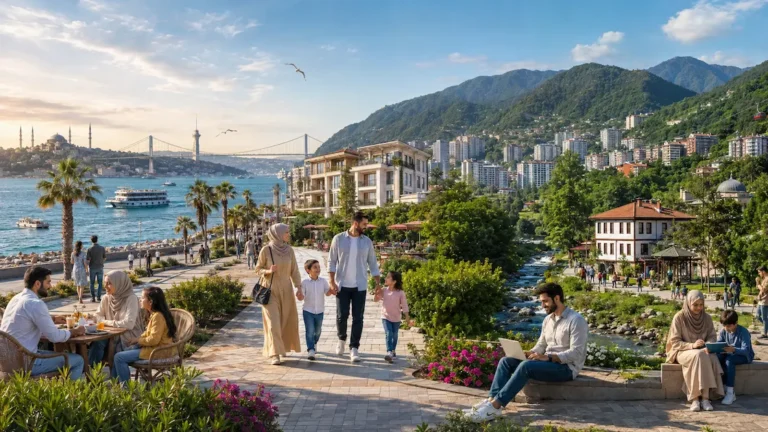
Istanbul remains one of the world’s most dynamic real estate landscapes, bridging two continents and capturing the attention of institutional funds and private investors alike. While ultra-luxury Bosphorus mansions and branded central residences command premium price tags, savvy investors focus their capital on entry-level and mid-tier residential assets. Finding the best investment apartments in Istanbul at affordable prices requires an analytical approach that evaluates urban expansion corridors, transportation infrastructure, and rental demographic trends.
Whether your goal is sustained rental yield, long-term capital appreciation, or portfolio diversification backed by tangible assets, affordable properties in Istanbul offer an accessible entry barrier and strong defensive characteristics. This comprehensive guide examines the primary drivers of Istanbul’s budget-friendly housing sector, analyzes high-performing districts, outlines legal considerations, and details proven financial strategies to maximize your return on investment.
The Strategic Appeal of Affordable Property Investment in Istanbul
Istanbul’s property market functions under distinct macroeconomic dynamics compared to Western European capitals. The city continues to grow, with over 16 million residents driving consistent domestic housing demand alongside sustained international interest. Affordable properties provide significant liquidity, lower vacancy risks, and resilient tenant pools.
1. Low Capital Entry Thresholds with High Liquidity
Compared to gateway markets such as London, Paris, or Dubai, Istanbul provides substantially lower entry prices per square meter. In developing suburban districts and urban regeneration pockets, entry-level properties can be acquired at competitive rates, allowing buyers to diversify capital across multiple units rather than concentrating risk in a single luxury asset. For broader context on portfolio diversification across property classes, review our overview of Real Estate Investment in Turkey | Apartments and Villas for Sale.
2. Strong Domestic Rental Demand
Affordable apartments—particularly 1+1 and 2+1 configurations—cater directly to Istanbul’s massive working-class, young professional, and university student populations. In dense urban nodes, budget-friendly units rarely remain vacant for extended periods. This fundamental rental demand provides cash-flow security that shields investors from broader economic volatility.
3. Rapid Transit and Infrastructure Catalysts
Municipal investments in transit infrastructure, including the M11 Gayrettepe-Istanbul Airport line, the M3 metro extensions, and high-capacity Metrobus arteries, have transformed once-peripheral suburbs into well-connected commuter districts. Purchasing affordable units along projected or newly completed transit corridors enables investors to capture substantial infrastructure-driven capital appreciation over a 3- to 5-year holding horizon.
Get a free consultation now, and let us help you choose the right property.
Top Emerging Districts for Budget-Friendly Property in Istanbul
Identifying value in a sprawling metropolis requires local market intelligence. Several districts stand out for their blend of affordable acquisition prices, planned urban infrastructure, and robust rental returns. For a broader geographic breakdown of target neighborhoods, consult our guide on the Best Areas for Real Estate Investment in Istanbul.
Beylikdüzü: Modern Master-Planned Living with High Yields
Beylikdüzü has transitioned from a weekend retreat to one of European Istanbul’s most organized residential sectors. Characterized by wide boulevards, planned green spaces, and modern gated compounds (siteler), Beylikdüzü attracts middle-income families and expatriates seeking quality lifestyle amenities at reasonable prices.
- Price Advantage: Average square meter prices remain competitive relative to central European districts.
- Connectivity: Directly connected via the E-5 highway and 24/7 Metrobus network, with future rail extensions planned.
- Tenant Demographics: Families, white-collar commuters, and international students attending nearby universities.
Esenyurt: High-Volume Liquidity and Competitive Entry Prices
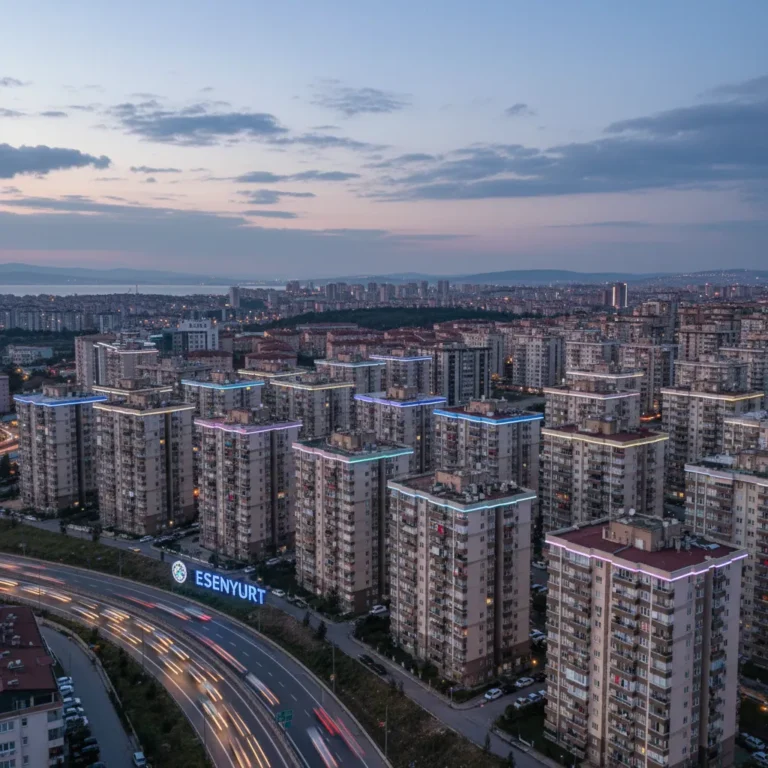
Esenyurt represents the highest transaction volume across Istanbul’s real estate market. The district offers some of the lowest entry price points in the metropolitan area, featuring extensive high-rise residential towers equipped with integrated social facilities, security, and underground parking.
- Yield Potential: Due to affordable acquisition costs, gross rental yields in Esenyurt often reach 7% to 9%, exceeding averages in prime central districts.
- Selection Strategy: Investors must focus on well-managed compounds close to the E-5 or TEM highway access points to maintain tenant quality and ensure seamless property management.
Başakşehir & Bahçeşehir: Planned Satellite Hubs with Strong Growth
Başakşehir is widely recognized as a major center for modern urban development. Supported by major government infrastructure projects—including the Başakşehir Çam and Sakura City Hospital and proximity to Istanbul Airport—this zone offers stable long-term appreciation.
- Family Appeal: Predominantly 2+1, 3+1, and 4+1 layouts within secure complexes near international schools and lifestyle retail hubs.
- Capital Protection: Real estate values here demonstrate consistent price resilience and high resale liquidity among local and regional buyers.
Küçükçekmece & Avcılar: Coastal Regeneration and Multi-Modal Transit
Positioned around the Küçükçekmece Lake and extending toward the Marmara Sea, these districts benefit directly from major urban regeneration initiatives. Older building stock is continually replaced by earthquake-resistant, modern residential developments.
- Transit Nexus: Seamless access via the Marmaray commuter rail line, Metrobus, and coastal transit routes connects residents to core commercial hubs in under 45 minutes.
- Investment Value: Lake-view and coastal-adjacent apartments offer solid value with significant upside as master-planned waterfront developments conclude.
Kartal & Pendik (Asian Side): Coastal Affordability and Business Hubs
Investors seeking opportunities on the Asian side of Istanbul frequently target Kartal and Pendik. These areas offer scenic views of the Princes’ Islands, direct Marmaray and M4 Kadıköy-Sabiha Gökçen metro access, and growing commercial corridors.
- Industrial-to-Residential Transition: Ongoing conversion of legacy industrial zones into mixed-use commercial and residential hubs drives sustained asset appreciation.
- Airport Accessibility: Proximity to Sabiha Gökçen International Airport guarantees steady rental demand from aviation professionals, corporate travelers, and logistics managers.
Comparative Analysis: Affordable Districts in Istanbul (2026 Overview)
The following table provides an estimated comparison of key metrics across Istanbul’s most active affordable investment districts to help guide data-driven capital allocation:
| District | Avg. Price / m² (USD) | Gross Rental Yield | Primary Tenant Profile | Capital Growth Potential |
|---|---|---|---|---|
| Esenyurt | $850 – $1,250 | 7.5% – 9.0% | Students, Singles, Commuters | Moderate |
| Beylikdüzü | $1,100 – $1,600 | 6.5% – 7.8% | Middle-Class Families, Expats | High |
| Avcılar | $1,200 – $1,750 | 6.0% – 7.5% | University Students, Professionals | Moderate – High |
| Başakşehir | $1,500 – $2,200 | 5.5% – 6.8% | Families, Health/Airport Workers | Very High |
| Kartal / Pendik | $1,400 – $2,100 | 6.0% – 7.2% | Corporate Workers, Aviation Staff | High |

Get a free consultation now, and let us help you choose the right property.
Target Property Configurations for Maximum ROI
Selecting the right unit typology is critical when targeting affordable property segments. Layout, square footage, and on-site amenities directly influence occupancy rates, turnover expenses, and long-term resale potential.
1+1 Layouts (One-Bedroom Apartments)
One-bedroom units represent the top-yielding asset class in modern residential complexes. They require lower capital outlays, feature rapid tenant turnover with low friction, and appeal broadly to corporate professionals, single workers, and university students.
- Pros: High rental yield per square meter, rapid liquidity upon resale, lower overall furnishing and maintenance expenses.
- Cons: Shorter lease durations compared to family homes, requiring proactive property management.
2+1 Layouts (Two-Bedroom Apartments)
Two-bedroom apartments serve as the backbone of the domestic Turkish rental market. They provide stability, as family tenants typically sign longer leases and maintain the property with greater care.
- Pros: Multi-year lease stability, lower vacancy risk during market shifts, broad resale demand from both local owner-occupiers and investors.
- Cons: Slightly lower gross rental yield compared to 1+1 units, though offset by reduced tenant turnover costs.
Off-Plan vs. Ready-to-Move Units
Investors must weigh the financial trade-offs between under-construction properties and completed assets:
- Off-Plan Developments: Purchasing during early launch phases allows buyers to secure prices 15% to 25% below market completion values, often with structured installment plans. This approach maximizes capital appreciation potential.
- Ready-to-Move Units: Ideal for investors seeking immediate cash flow. Title deeds (Tapu) are available immediately, allowing prompt rental placement or residency application filings.
For an in-depth evaluation of pricing models and market forecasts, read our detailed analysis in Investment Apartments in Istanbul: Complete Guide for 2026.
Financial Mechanics: Calculating Real Net Returns
Calculating genuine return on investment requires looking beyond headline gross yields and factoring in all operational expenses, local taxes, and ongoing management fees.
Operational Expenses Breakdown
- Monthly Maintenance Fee (Aidat): Typically paid by the tenant in Turkish residential leases, covering security, cleaning, elevators, and shared amenities. If the unit sits vacant, the owner is responsible for these dues.
- Annual Property Tax (Emlak Vergisi): In metropolitan cities like Istanbul, residential real estate tax is fixed at 0.2% of the municipality’s assessed value per year.
- Mandatory Earthquake Insurance (DASK): An annual policy required for all residential units, with costs varying by location and square footage.
- Income Tax on Rental Earnings: Property owners are subject to progressive income tax rates on net rental earnings, with standard deductions available for documented property expenses.
Short-Term vs. Long-Term Rental Regulations
The regulatory framework for short-term tourism rentals (such as Airbnb) requires property owners to obtain a formal tourism rental license and secure unanimous consent from all property owners in the building, alongside registration with the Ministry of Culture and Tourism. For affordable investment apartments, traditional 1-year renewable residential leases remain the most reliable, hands-off strategy, ensuring consistent cash flow without complex operational compliance hurdles.
Legal Framework, Residency, and Citizenship Considerations
Turkey offers a well-defined legal framework for foreign property buyers, ensuring transparency through digital title deed registrations and mandatory independent valuation reports.
1. Real Estate Valuation Report (Ekspertiz Raporu)
Before any property transfer involving a foreign buyer takes place, a licensed independent real estate appraisal firm must inspect the unit and verify its fair market value. This prevents artificial price inflation and protects foreign capital.
2. Foreign Exchange Purchase Certificate (Döviz Alım Belgesi – DAB)
Foreign buyers must convert their foreign currency (USD, EUR, GBP) into Turkish Liras through the Central Bank of Turkey (TCMB) via an authorized local commercial bank. The resulting DAB document is submitted to the Land Registry Office (Tapu Dairesi) to complete the official transfer.
3. Residency Permits (İkamet)
Purchasing residential property above designated valuation thresholds allows international buyers to apply for a Turkish real estate residence permit. It is essential to ensure the target district is not currently closed to new foreign residence registrations, as local authorities periodically adjust neighborhood quotas.
4. Turkish Citizenship by Investment Pathway
While individual affordable units might fall below the $400,000 threshold for the Turkish Citizenship by Investment (CBI) program, investors can bundle multiple affordable apartments under a single application. Purchasing three or four high-yielding 1+1 or 2+1 units across developing districts allows buyers to secure citizenship while building a diversified, cash-flowing rental portfolio.
Step-by-Step Acquisition Guide for Affordable Units
-
- Establish Investment Objectives: Define your focus between immediate rental cash flow, off-plan capital growth, or residency/citizenship qualification.
- Partner with a Licensed Brokerage: Work with an established real estate consultancy with dedicated market coverage across Istanbul’s European and Asian growth corridors.
- Conduct Legal Due Diligence: Verify that the property has an independent title deed (Kat Mülkiyeti or Kat İrtifakı), confirmed occupancy permits (İskan), and no outstanding liens or mortgages (İpotek).
- Obtain a Turkish Tax Number and Open a Bank Account: Complete basic financial onboarding through a local commercial bank using your passport and proof of address.
- Execute the DAB Currency Conversion: Transfer funds in your home currency and receive the Central Bank’s Foreign Exchange Purchase Certificate.
- Sign Title Deed Transfer at the Tapu Office: Complete the transaction with an official sworn translator present to receive your legal ownership document (Tapu).
Future Market Outlook and Strategic Recommendations
Istanbul’s property market continues to evolve through urban transformation, expanding transit connectivity, and steady demographic demand. In this environment, affordable investment apartments represent a resilient asset class. Lower acquisition costs mitigate downside exposure, while consistent tenant demand delivers predictable cash flow.
To maximize your investment performance, target projects within walking distance of existing or approved rail transit lines, prioritize established developers with proven delivery track records, and maintain realistic underwriting models that emphasize long-term capital preservation and net yield.
Frequently Asked Questions (FAQ)
What is considered an affordable apartment price in Istanbul?
In suburban and emerging districts such as Esenyurt, Beylikdüzü, and parts of Avcılar, modern 1+1 or 2+1 apartments in secure residential compounds typically range from $70,000 to $140,000, depending on construction stage, amenities, and transit proximity.
Can I buy multiple affordable apartments to qualify for Turkish Citizenship?
Yes. The Turkish Citizenship by Investment program allows applicants to combine multiple properties, provided the total official valuation across all title deeds meets or exceeds the required $400,000 threshold and a 3-year non-sale restriction is registered.
Are off-plan properties safe for foreign investors in Istanbul?
Off-plan purchases offer attractive pricing, but buyers should conduct rigorous due diligence. Ensure the developer has a solid delivery record, the project holds all municipal building permits (Ruhsat), and sales contracts are notarized properly.
What are the typical transaction fees when buying property in Turkey?
Standard closing costs total approximately 6% to 8% of the property value. This includes the Title Deed Transfer Tax (Tapu Harcı, typically 4%), valuation report fees, translator charges, notary fees, and real estate agency commissions.