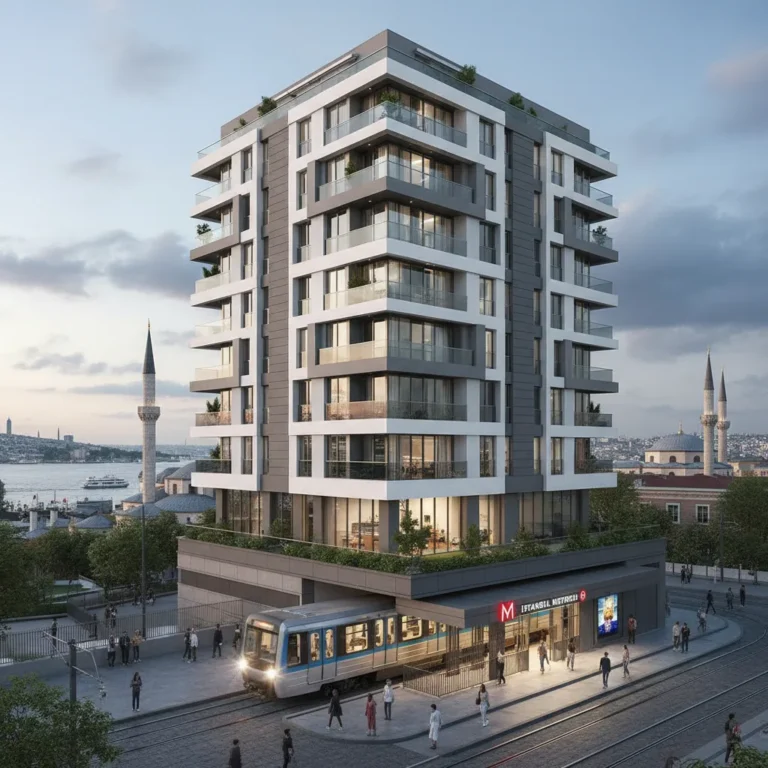
Introduction: The Search for Affordable Villa Living in Turkey
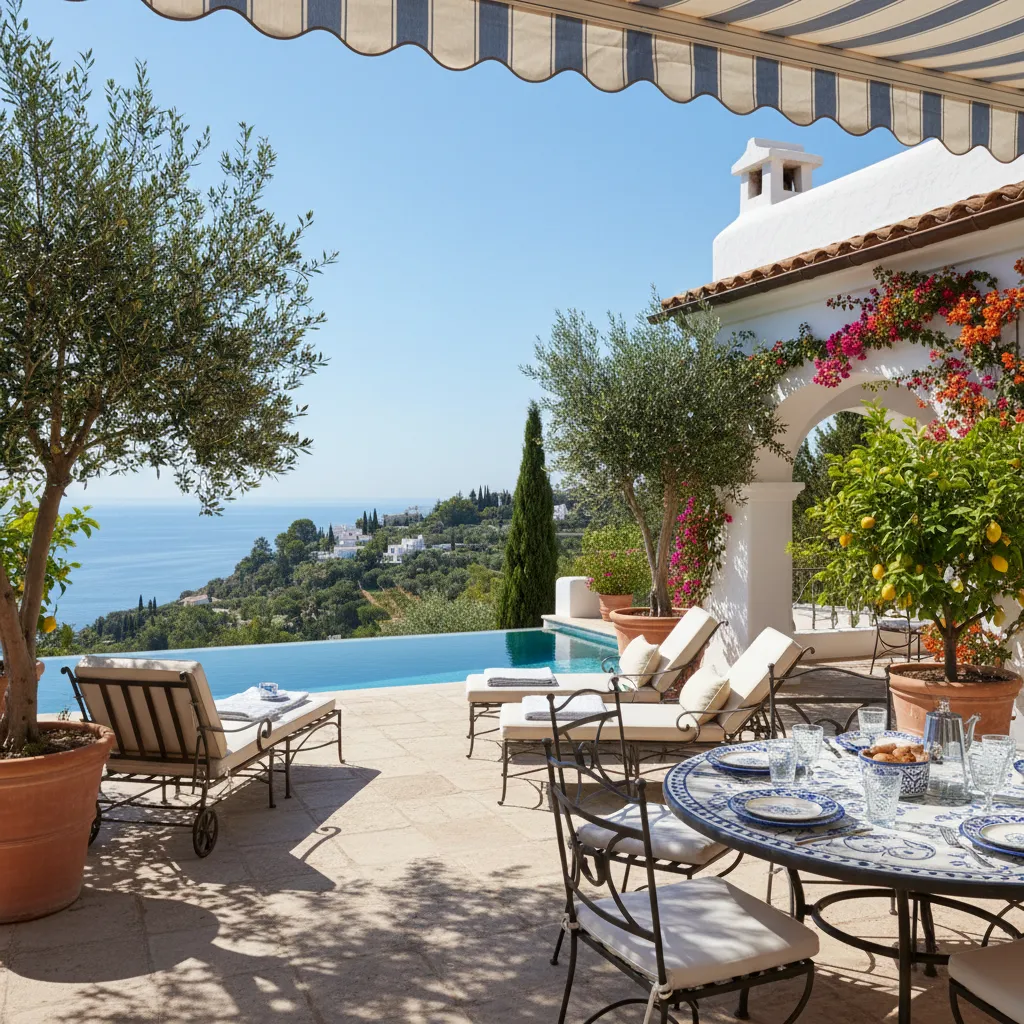
Owning a private detached villa surrounded by Mediterranean flora, equipped with a swimming pool, and bathed in over 300 days of sunshine each year is a lifelong dream for countless international buyers. Historically, prime European coastal destinations such as Spain's Costa del Sol or the French Riviera commanded premiums that priced out modest budgets. Turkey has emerged as a premier alternative, presenting an attractive balance of modern construction, picturesque landscapes, favorable living costs, and accessible entry pricing.
As we navigate the real estate market in 2026, finding the cheapest villas for sale in Turkey requires an informed, nuanced approach. While prime beachfront enclaves in central Bodrum, Kalkan, or Istanbul's Bosphorus belt command multi-million-euro price tags, a diverse array of coastal towns, emerging suburban districts, and rural retreats offer standalone and semi-detached homes at competitive rates. Whether you seek a tranquil holiday sanctuary, a permanent relocation home, or an income-generating rental property, identifying value requires looking beyond high-profile luxury hotspots into regions experiencing steady infrastructural growth.
This comprehensive guide examines where the most affordable villas are situated across Turkey, breaks down realistic market pricing, details the foreign purchasing process, outlines residency and citizenship implications, and highlights the ongoing operational expenditures every buyer must calculate before making a commitment.
Macroeconomic Overview: Turkish Villa Market in 2026
The Turkish property landscape has matured significantly over recent years. Regulatory overhauls, revised foreign real estate policies, tighter property valuation rules, and new legislation governing short-term holiday rentals have shaped a more transparent and institutionalized marketplace. Concurrently, construction input costs have stabilized globally, establishing a clearer pricing floor across primary and secondary residential segments.
Demand for detached living spaces remains robust. Following global shifts toward remote work and privacy-focused living, villas represent one of the most resilient sub-sectors in Turkish real estate. For international buyers operating in foreign currencies such as the US Dollar, Euro, or British Pound, favorable exchange rates continue to preserve substantial purchasing power, enabling buyers to secure detached properties with private gardens for prices comparable to modest one-bedroom urban apartments in Western Europe or North America.
Regional Price Benchmark: Entry-Level Villas (2026 Estimates)
| Region / District | Typical Villa Style | Average Plot Size (m²) | Entry-Level Price Range (€) | Primary Appeal |
|---|---|---|---|---|
| Didim (Akbük & Efeler) | Semi-detached & standalone duplex | 200 – 350 | €145,000 – €210,000 | Expat community, sandy beaches, value |
| Alanya Outskirts (Demirtaş, Gazipaşa) | Gated complex detached / semi-detached | 250 – 400 | €180,000 – €260,000 | Airport access, tropical climate, modern infrastructure |
| Seydikemer (Fethiye Hinterland) | Standalone rustic / modern stone villa | 400 – 600 | €195,000 – €275,000 | Large private plots, mountain views, tranquility |
| Kuşadası (Davutlar & Güzelçamlı) | Modern gated community villa | 180 – 300 | €160,000 – €235,000 | Thermal springs, national park, proximity to İzmir |
| Trabzon & Black Sea Coast | Multi-story standalone family villa | 350 – 500 | €135,000 – €190,000 | Lush temperate climate, scenic mountain vistas |
| Sakarya / Sapanca Outskirts | Timber/detached chalet compounds | 300 – 500 | €175,000 – €250,000 | Proximity to Istanbul, nature tourism, weekend market |
Top Locations for the Cheapest Villas for Sale in Turkey
1. Didim and Akbük: The Epicenter of Budget Aegean Living
Situated in the Aydın Province along the southwestern Aegean coast, Didim has historically maintained a reputation as one of the most accessible seaside property markets in Turkey. Unlike luxury-dominated peninsulas, Didim was planned with widespread low-rise zoning, leading to numerous residential enclaves composed of two- and three-story villas.
Within Didim, the micro-locations of Efeler and Marina Road offer an abundance of older resale properties as well as newly completed semi-detached options. However, buyers looking for picturesque natural surroundings without inflated premiums often turn to Akbük. Located merely 20 kilometers east of Didim center, Akbük is nestled along a tranquil bay framed by pine-covered hills. While Akbük has transitioned upmarket recently, it still houses several residential complexes where private or communal-pool duplexes are listed at entry-level price brackets unmatched along the Turkish Riviera.
2. Alanya Outskirts: Demirtaş, Avsallar, and Gazipaşa
Alanya remains a powerhouse within the Antalya real estate ecosystem. Central districts such as Cleopatra Beach and Oba consist predominantly of mid-rise luxury residences. To find the cheapest villas, prospective buyers must direct their search eastward toward Demirtaş and the burgeoning town of Gazipaşa, or westward to Avsallar and Türkler.
Demirtaş offers an authentic Mediterranean atmosphere, characterized by agricultural groves, wide coastal stretches, and a strict departure from dense commercial tourism. Because land values here are still rational, developers produce gated compounds featuring detached and semi-detached villas with modern automation, private terraces, and communal wellness amenities at a fraction of central Antalya or Bodrum prices. Furthermore, its immediate proximity to the Gazipaşa-Alanya Airport (GZP) ensures seamless year-round accessibility for international travelers.
3. Seydikemer: Fethiye’s Affordable Countryside Alternative
Fethiye, world-renowned for its turquoise Blue Lagoon in Ölüdeniz and marina lifestyle, has seen villa prices climb steadily over the past decade. For buyers seeking the idyllic Fethiye climate without its premium pricing, Seydikemer represents an exceptional geographic solution. Situated roughly 25 to 35 minutes inland from Fethiye town center, Seydikemer is an administrative rural district defined by wide agricultural valleys and crisp mountain air.
Because Seydikemer falls outside municipal high-density limits, property buyers can acquire detached villas sitting on generous private plots (often 500 square meters or more) for less than the cost of a two-bedroom apartment in neighboring Ovacık or Hisarönü. These residences frequently boast private swimming pools, high perimeter fencing for total privacy, and traditional stone architectural details, making them attractive to retirees and eco-conscious remote workers.

Get a free consultation now, and let us help you choose the right property.
4. Kuşadası: Davutlar and Güzelçamlı
Positioned on the Aegean shoreline opposite the Greek island of Samos, Kuşadası combines bustling cruise-ship port dynamics with expansive suburban districts. The southern enclaves of Davutlar and Güzelçamlı, which border the protected Dilek Peninsula-Büyük Menderes Delta National Park, are prime locations for cost-effective villa procurement.
Davutlar is historically celebrated for its thermal water reserves, and many residential compounds here incorporate thermal healing water into common facilities. Villas in Davutlar and Güzelçamlı are typically configured within secure residential complexes (siteler), providing shared garden maintenance, 24/7 security, and community pools. These factors keep baseline costs and maintenance outlays exceptionally manageable for non-resident owners.
5. The Black Sea Coast: Trabzon and Rize
For investors unconcerned with Mediterranean beaches who prefer lush landscapes, moderate summer temperatures, and expansive layouts, Turkey's northeastern Black Sea coast—particularly around Trabzon (including districts like Akçaabat and Yomra)—presents remarkable villa affordability. Standalone family houses constructed on spacious mountain plots overlooking the Black Sea are readily available at prices dramatically below Mediterranean benchmarks, appealing strongly to buyers seeking tranquility and cooler seasonal weather.
Understanding Villa Typologies: What Does a Low Budget Buy?
When searching for the cheapest villas for sale in Turkey, precision regarding property categorization prevents mismatched expectations. The market categorizes detached and semi-detached properties under distinct architectural and legal profiles:
Semi-Detached (İkiz) Villas vs. Fully Detached (Müstakil) Villas
- Semi-Detached (İkiz Villa): Shares a central dividing wall with an adjacent mirror-image property. While each owner retains a private entrance and often a dedicated garden zone, common areas (such as entrance driveways or pools) may be shared. This format is the most common entry-point into low-cost villa living in Turkey.
- Fully Detached (Müstakil Villa): Stands entirely within its own demarcated plot of land without shared structural walls. Detached villas offer complete autonomy over land management, private pool installation, and architectural modifications, but they generally command a 25% to 40% premium over semi-detached equivalents in the same location.
Villas Within a Gated Complex (Site İçi) vs. Standalone Plots
A significant distinction in Turkish real estate lies between purchasing a villa inside an established gated residential development (site) versus purchasing a standalone villa on private agricultural or residential land (müstakil parsel).
- Gated Complexes: Ideal for non-resident foreigners. A monthly maintenance fee (Aidat) covers communal pool cleaning, landscape management, boundary security, and structural caretakers. These arrangements minimize the logistical burdens of remote ownership.
- Standalone Private Parcels: Provides complete privacy and freedom from complex regulations or communal meetings. However, the owner bears 100% of the operational responsibilities, including hiring private gardeners, pool maintenance specialists, and security monitoring services.
Off-Plan Construction vs. Established Resale Properties
Purchasing an older resale villa (constructed between 2000 and 2015) in areas like Didim or Kuşadası frequently yields the absolute lowest entry price per square meter. However, buyers must factor in the capital needed for contemporary renovations, energy efficiency retrofits, and electrical upgrades.
Conversely, buying off-plan from established developers permits phased interest-free stage payments across the construction cycle, typically spanning 12 to 24 months. Off-plan acquisitions also lock in introductory unit pricing prior to regional completion appreciation.
The Legal Framework for Foreign Villa Buyers in Turkey
Turkey retains a well-defined legal path for foreign property acquisition, governed under the Land Registry Law No. 2644. Foreigners of most nationalities are legally permitted to purchase real estate across Turkey, subject to specific regulatory constraints.
Key Legal Parameters to Verify:
- Military and Strategic Zone Checks: While standard military clearance procedures were eliminated in most property hubs in previous years, properties situated near strategic military infrastructure remain restricted. Land Registry offices automatically verify these parameters via spatial registration databases.
- Aggregate Foreign Ownership Limits: Foreign nationals cannot own more than 30 hectares of real estate in Turkey collectively, nor can foreign ownership exceed 10% of the total private land area within any given district.
- The Habitation Certificate (İskan): When purchasing an affordable villa—especially an older resale or an independently built detached home—verifying the presence of a valid İskan is vital. The İskan confirms the building was erected strictly in accordance with approved municipal architecture and engineering standards. A property without an İskan remains designated as a construction site (Kat İrtifakı rather than Kat Mülkiyeti), triggering higher utility tariffs and legal complications.
Step-by-Step Purchasing Process
Acquiring a villa in Turkey adheres to a clear sequence of steps:
- Tax Number & Bank Account: Obtain a Potential Tax Number online or in person via the local tax office (Vergi Dairesi), followed by establishing an account with a Turkish commercial bank.
- Independent Legal Valuation (Ekspertiz Raporu): Mandated for all property acquisitions involving foreign buyers. An independent, Capital Markets Board (SPK)-licensed appraiser assesses the villa’s real market valuation, legal status, and zoning compliance before the transfer can proceed.
- Foreign Currency Exchange Certificate (DAB – Döviz Alım Belgesi): Foreign buyers must convert their foreign currency (USD, EUR, GBP) into Turkish Lira via the Central Bank of the Republic of Turkey through their intermediary bank. The issuing bank produces the formal DAB document, confirming that funds entered the country in compliance with foreign currency real estate regulations.
- Title Deed Conveyance (Tapu Devri): The transaction culminates inside the local Land Registry Office (Tapu Dairesi). The official Title Deed (Tapu) is transferred from seller to buyer in the presence of a sworn translator if the buyer does not speak Turkish.
Get a free consultation now, and let us help you choose the right property.
Residency Permits and Citizenship: Strategic Real Estate Alignment
Acquiring an affordable villa in Turkey often intersects with longer-term immigration or residency planning. Foreign buyers should structure their purchases in alignment with statutory thresholds.
Short-Term Tourist/Property Residence Permit (Taşınmaz İkamet İzni)
Foreigners who acquire residential real estate in Turkey are eligible to apply for a continuous property-based residence permit (İkamet). Regulations stipulate minimum real estate valuation criteria for properties purchased for residency purposes. Foreign buyers seeking the cheapest villas should confirm that the valuation reported on both the SPK Appraisal Report and the Title Deed meets or exceeds prevailing statutory minimums for residency qualification, and verify that the target neighborhood is not categorized among closed areas (districts capped due to high foreign concentrations).
Turkish Citizenship by Investment (TCBI)
The Turkish Citizenship by Investment program permits international investors to obtain Turkish nationality through real estate acquisition. Under this framework, the total acquired value must meet the statutory threshold of $400,000 USD (or its equivalent in foreign currency converted through the DAB system). While a single “cheapest villa” priced at €160,000 will not independently meet the citizenship threshold, investors frequently utilize a portfolio strategy: purchasing two or three affordable villas across emerging districts like Didim, Alanya-Demirtaş, or Sakarya, thereby reaching the aggregate investment target while diversifying their rental income potential.
Running Costs and Hidden Fees: The Complete Financial Picture
Securing an affordable headline sales price is only one half of the investment formula. Prudent buyers must calculate transactional costs and annual operational expenditures to ensure long-term ownership remains sustainable.
Initial Transactional Acquisition Costs
- Title Deed Transfer Tax (Tapu Harcı): Assessed at 4% of the declared purchase price. While local custom occasionally divides this between buyer and seller, international transactions often assign this cost to the purchaser unless explicitly negotiated otherwise.
- Valuation Report Fee: Typically ranges between €150 and €300, payable directly to the SPK-licensed appraisal bureau.
- Sworn Translation and Notarization: Allocating €200 to €500 covers sworn interpretation services during the Tapu appointment, passport translations, and notarized Powers of Attorney (if utilizing a legal representative).
- Real Estate Agency Commission: Standardized under Turkish real estate regulations at 2% (+ VAT) from the buyer and 2% (+ VAT) from the seller, unless alternative developer-funded arrangements apply to direct off-plan purchases.
- Utility Connections: Initial registration fees for electricity and municipal water meters (including obligatory safety deposits) generally total between €150 and €350.
Ongoing Annual Holding and Maintenance Expenses
- Annual Municipal Property Tax (Emlak Vergisi): Calculated between 0.1% and 0.2% of the municipality’s assessed value for residential homes outside metropolitan municipality boundaries, and up to 0.2% to 0.4% within designated metropolitan municipalities (such as Antalya, Muğla, or Izmir). For budget villas, this rarely exceeds €100 to €250 annually.
- Mandatory Earthquake Insurance (DASK): Obligatory across Turkey, covering primary seismic risks. Costs are modest, generally falling between €30 and €90 per year based on property square footage and construction type.
- Complex Maintenance Fees (Aidat): If your villa is located within a managed community (site), monthly maintenance covers security, shared lighting, landscaping, and communal pool upkeep. Monthly fees for modest villa communities typically range from €35 to €90.
- Private Garden and Pool Upkeep: For fully detached standalone homes, contracting seasonal pool sanitization and chemical treatments typically incurs €80 to €150 per month during high season, alongside landscape gardening costs.
Rental Yields, Tourist Regulations, and ROI Prospects
Investing in a budget-friendly villa often includes the objective of generating seasonal or long-term yields. However, the legal environment for short-term holiday rentals in Turkey requires rigorous compliance.
The Tourist Rental Legislation Framework
Regulations governing the short-term leasing of residential properties for tourism purposes (stays under 100 days) mandate that property owners obtain a formal tourist rental permit from the Ministry of Culture and Tourism before marketing a home on platforms such as Airbnb or Booking.com. Important stipulations include:
- If a villa is located within a multi-unit complex (site), 100% unanimous consent of all residential owners within that complex is required before a tourist rental license will be granted.
- Standalone, fully detached villas (müstakil) that do not share communal parcel governance can apply directly to the Ministry without needing neighbor approvals, provided fire safety, identification tracking, and municipal compliance standards are met.
Consequently, buyers intending to generate holiday rental income from budget villas should prioritize fully detached standalone homes or specifically designated holiday villa developments whose condominium declarations explicitly allow short-term tourism operations.
Rental Yield Projections
When managed effectively, villas in high-sunlight regions like Alanya outskirts, Didim, or Kuşadası can generate gross seasonal yields ranging between 6% and 9% annually. Long-term standard rentals generally produce lower gross returns (between 4% and 6%), but they eliminate short-term turnover management fees, tourist licensing overheads, and high winter vacancy rates.
Renovation Potential: Upgrading Older Budget Villas
An alternative route to acquiring a low-cost villa in Turkey involves purchasing older, architecturally dated housing inventory and executing targeted modernizations. Decades-old holiday compounds (often constructed in the 1990s and 2000s by Turkish domestic holidaymakers in locations like Akbük, Davutlar, or Çeşme outskirts) occasionally appear on the market at steep discounts.
Critical Renovation Factors:
- Structural Auditing: Always engage an independent civil engineer to verify the structural framework, concrete integrity, and foundation stability before considering a distressed property.
- Moisture and Insulation Retrofits: Older Turkish coastal villas were primarily engineered as warm-weather summer retreats, often lacking modern exterior thermal insulation (Mantolama), damp-proofing, and double-glazed joinery. Factoring in thermal insulation and contemporary HVAC infrastructure significantly expands year-round rental marketability and energy efficiency.
- Plumbing and Electrical Rewiring: Updating electrical panels to handle modern appliances, air conditioning networks, and high-draw thermal water heaters is essential when modernizing older stock.
Due Diligence Checklist for Purchasing Low-Cost Villas
To ensure your purchase is both safe and cost-effective, follow this comprehensive due diligence framework before transferring non-refundable deposits:
- Examine the Tapu Status: Confirm whether the title deed is designated as Kat Mülkiyeti (full condominium property), Kat İrtifakı (construction servitude), or Hisseli Tapu (shared title). Avoid shared titles (Hisseli) where individual detached parcels are not distinctly partitioned via legal title documentation.
- Investigate Outstanding Liens (İpotek): Your lawyer or conveyancer must conduct a formal registry audit to ensure the property is free of debt, tax liens, bank mortgages, or legal claims from previous builders.
- Verify the Zoning Status (İmar Durumu): Ensure the land on which the villa is built is legally zoned for residential housing (Konut) rather than designated as unapproved agricultural land (Tarım Alanı). Unauthorized construction on agricultural plots without proper developmental allowances risks municipal fines or demolition orders.
- Ensure Accurate Valuation Declarations: Never accept under-the-table arrangements or agree to record a declared sale price significantly lower than the actual funds transferred. Complete transparency aligns your property values directly with national appraisal databases, safeguarding future resale rights, capital gains profiles, and residency eligibility.
Frequently Asked Questions (FAQ)
Where is the absolute cheapest place to buy a villa in Turkey?
As of 2026, the lowest entry-level prices for detached and semi-detached villas are found in the outer districts of Didim (such as Efeler and Akbük), the rural periphery of Fethiye (Seydikemer), outer Kuşadası (Davutlar), and developing areas along the Black Sea coast around Trabzon. In these markets, older resales or compact semi-detached new builds occasionally appear between €135,000 and €170,000.
Can foreign buyers purchase villas with large agricultural land in Turkey?
Foreigners can purchase residential villas situated on standard residential plots. However, acquiring agricultural land (Tarla) exceeding statutory allowances requires submitting an agricultural enterprise project proposal to the Ministry of Agriculture within two years of acquisition. For standard lifestyle buyers, focusing on parcels registered with residential zoning (Arsa or Konut) is strongly advised.
What is the average monthly running cost of a budget villa in Turkey?
For a semi-detached or compact detached villa inside a residential complex, monthly overheads (including communal fees, high-speed fiber internet, municipal water, base electrical consumption, and mandatory insurance amortizations) generally range from €80 to €160 per month during unoccupied periods, scaling upwards during summer months based on private pool operation and air conditioning usage.
Is buying an off-plan budget villa safe in Turkey?
Off-plan purchases offer substantial price savings, but safety depends on conducting thorough developer due diligence. Ensure the developer holds clear land title without encumbrances, possesses a verified track record of completed projects, has secured the municipal construction license (Ruhsat), and provides a transparent contract detailing completion timelines, construction specifications, and default penalties.
How has the short-term rental law affected low-cost villa investments?
The updated tourism rental legislation requires permits for short-term lettings. Villas inside shared complexes require 100% agreement from other unit owners to secure a tourist rental license. Consequently, investors targeting short-term holiday rentals should focus on standalone detached villas on individual plots, which can apply directly for licensing without complex-wide consensus requirements.
Conclusion: Strategic Steps to Securing Value in Turkey
Acquiring an affordable villa in Turkey remains an achievable and rewarding objective for international investors, expats, and lifestyle buyers. By extending your search beyond internationally saturated, high-priced resort hubs and focusing on emerging growth regions such as Didim, Akbük, Seydikemer, and the eastern perimeters of Alanya, you can secure private detached living at compelling entry prices.
Success requires rigorous due diligence, verifying the habitation certificate (İskan), securing an accurate appraisal report, selecting an optimal legal structure, and ensuring compliance with residency and tourist letting frameworks. When planned with precision, buying an affordable villa in Turkey provides not only an exceptional Mediterranean lifestyle, but also an enduring real estate asset positioned for sustained long-term capital appreciation.