Navigating the Market for the Cheapest Properties for Sale
Finding the cheapest properties for sale without sacrificing capital safety, structural integrity, or rental potential is the primary objective of savvy international real estate investors in 2026. While global property markets face unprecedented affordability challenges, high mortgage rates, and tightening yield margins across North America and Western Europe, Turkey continues to offer an accessible gateway to real estate ownership. Whether your aim is to secure a holiday retreat, establish a low-cost residency base, or generate steady foreign-currency rental yields, budget-friendly properties across dynamic Turkish hubs remain uniquely attractive.
However, hunting for bargains in an international real estate market requires far more diligence than simply sorting listings by the lowest headline price. A truly profitable entry-level investment hinges on balancing purchase price with infrastructure growth, title deed verification, building code compliance, and future liquidity. This comprehensive guide delivers a transparent, data-driven analysis of affordable real estate in Turkey, identifying where low acquisition costs intersect with sound fundamentals.
Macro Factors Shaping Affordable Property Prices in Turkey
The Turkish property landscape is driven by dynamic demographic trends, continuous domestic demand, and currency adjustments that favor foreign currency holders. To pinpoint where undervaluation exists, buyers must understand the macroeconomic mechanisms at play.
Urban Regeneration and Outlying Infrastructure
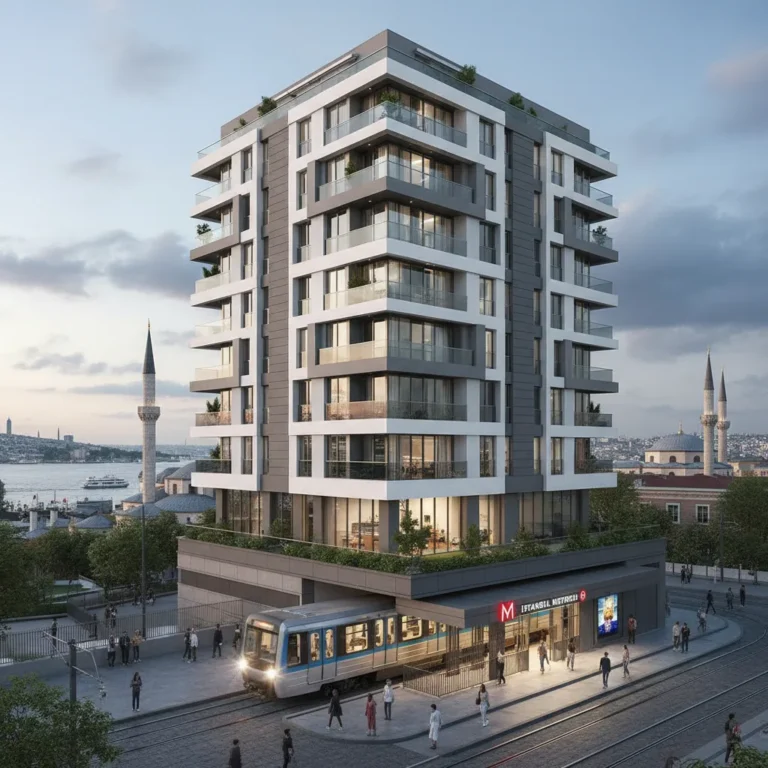
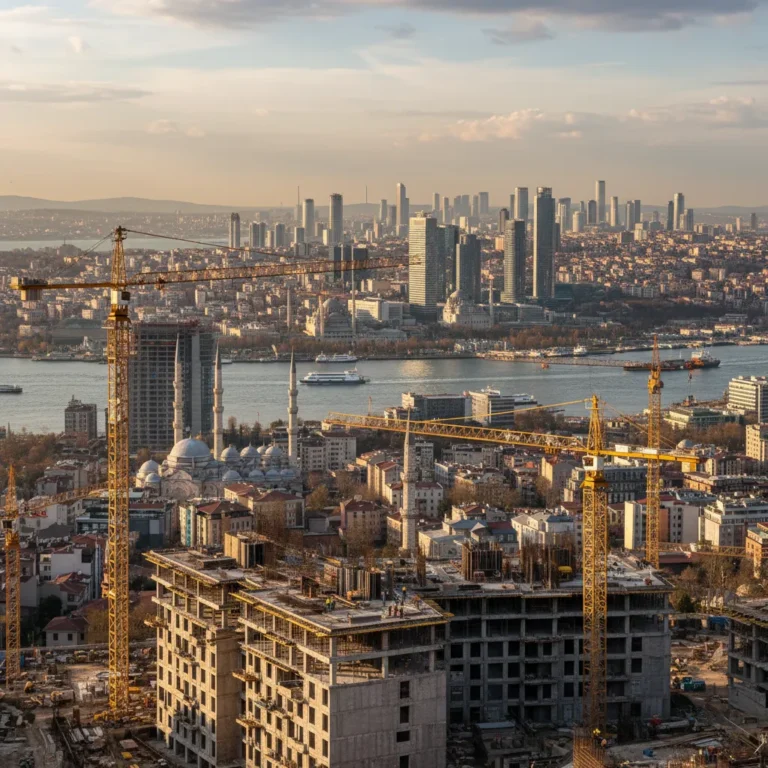
The Turkish government and private development consortiums have accelerated major urban regeneration programs (Kentsel Dönüşüm). While central historic districts in cities like Istanbul and Izmir command luxury premiums, extensive suburban zoning has unlocked master-planned, highly affordable residential complexes on city peripheries. These developments are directly integrated into rapid transit networks—including high-speed rail links (YHT), metro expansions, and intercity highway corridors—ensuring that lower acquisition prices do not come at the expense of commuter accessibility.
Foreign Exchange Realities and Purchasing Power
For investors holding US Dollars, Euros, or British Pounds, foreign exchange movements continue to grant substantial purchasing leverage. Even with high domestic inflation and rising local construction input costs, the hard-currency cost per square meter in developing suburban corridors remains a fraction of what investors pay in Southern Europe, the UAE, or Mediterranean resort destinations like Greece or Spain.
Top Locations for the Cheapest Properties for Sale in Turkey
Cheap property prices vary significantly by geography, topography, and target tenant demographics. Below is a detailed breakdown of the prime regions offering high-value, entry-level properties.
1. Mersin: The Mediterranean’s Premier Value Frontier
Mersin has emerged as the most compelling entry-point market along Turkey’s Mediterranean coast. Unlike Antalya, where massive international capital inflows have driven prices upward, Mersin offers beachfront and near-beach modern residential complexes at substantial discounts.
- Key Districts: Tece, Erdemli, Mezitli, and Tomük.
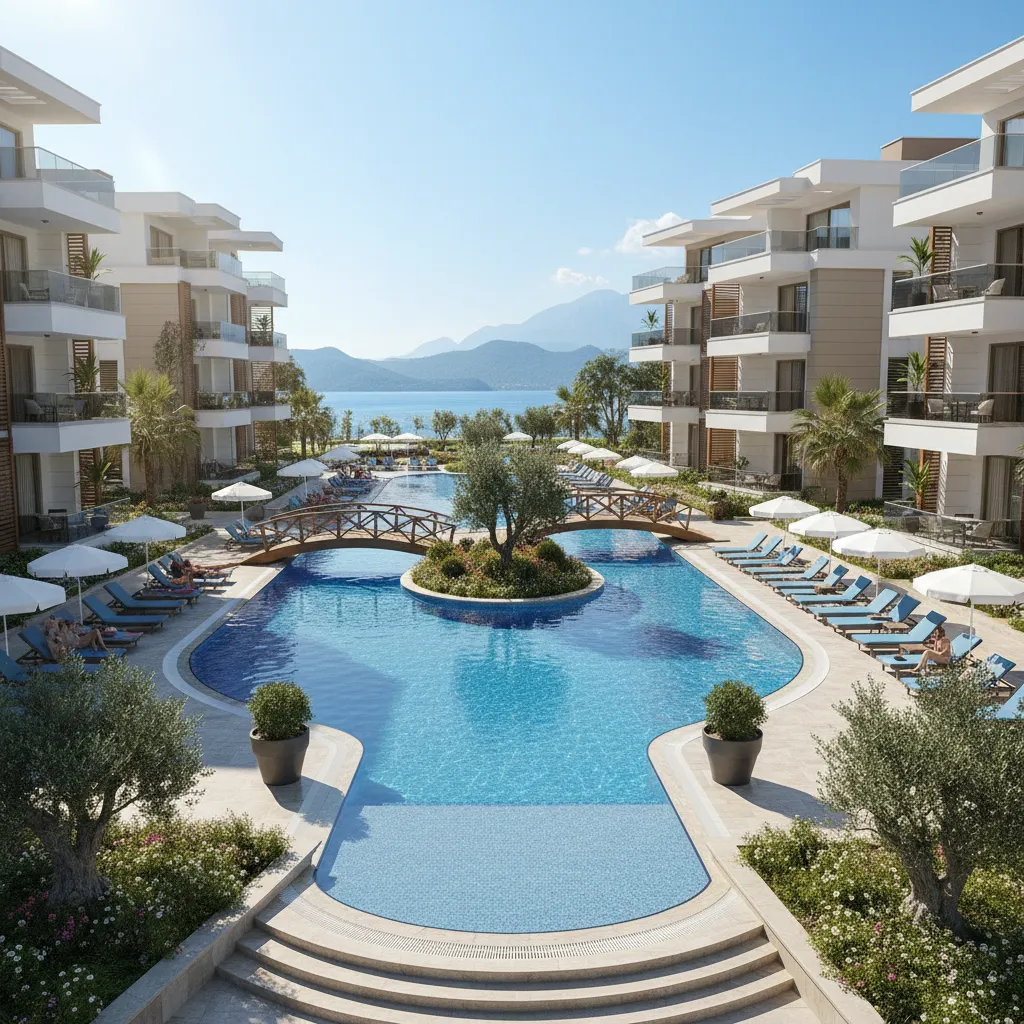
- Property Types: 1+1 and 2+1 resort-style condominiums situated within gated communities featuring swimming pools, security, and dedicated beach access.
- Investment Drivers: The commercial commissioning of Çukurova International Airport has drastically cut travel times, driving tourism, rental demand, and regional appreciation. Mersin remains a primary hub for affordable coastal living.
2. Istanbul’s Emerging Periphery: Scaled Suburban Living
While central Istanbul averages between $2,500 and $6,000 per square meter, its outer commuter belts feature some of the cheapest properties for sale in any global mega-city. Investors can acquire functional housing with turnkey finishes and full amenities at entry-level price points.
- Key Districts: Esenyurt, Beylikdüzü, Silivri, and Arnavutköy.
- Profile: High-density urban projects featuring studio to 2-bedroom units. Esenyurt remains the absolute lowest price point within the metropolitan boundaries, supported by immense domestic rental demand from university students, young professionals, and service-sector workers.
- Strategic Advantage: Proximity to Istanbul Airport (specifically around Arnavutköy) and proposed infrastructure lines guarantees sustained tenant occupancy, though hyper-local due diligence is strictly required.
3. Ankara: Stable Capital City Yields
Turkey’s capital city, Ankara, frequently escapes the attention of foreign resort buyers, making it an exceptional ground for pure yield-focused property hunters. Without holiday-season seasonality, Ankara provides stable year-round occupancy.
- Key Districts: Sincan, Mamak, Keçiören, and Etimesgut.
- Tenant Profile: Civil servants, diplomats, military personnel, and students attending Turkey’s premier academic institutions (ODTÜ, Bilkent, Hacettepe).
- Value Proposition: Established neighborhood stock and mid-sized residential buildings with low maintenance costs, making them resilient to wider macroeconomic shifts.
4. Alanya Sub-Districts: Budget Coastal Holiday Units
While central Alanya has experienced substantial price growth, several surrounding sub-districts still present lower-bracket options for international buyers seeking seaside leisure or short-term holiday rental models.
- Key Districts: Mahmutlar, Avsallar, and Demirtaş.
- Investment Profile: Newer compact apartments inside full-concept complexes with hotel-level infrastructure (indoor/outdoor pools, spas, fitness suites). Avsallar is particularly prized for its sandy beaches and pine forest backdrops, while Demirtaş provides a tranquil, lower-density setting ripe for long-term appreciation.
5. Didim and the Aegean Fringe
For those targeting the Aegean coastline, Didim (including Altınkum) has historically maintained some of the lowest entry barriers compared to nearby Bodrum or Çeşme. Popularized by British and Northern European expats, Didim provides low-rise residential apartments and attached townhouses within walking distance of Aegean bays.
| Region / City | Prominent Budget Districts | Avg. Price Range / m² (USD) | Target Gross Rental Yield | Primary Buyer / Tenant Profile |
|---|---|---|---|---|
| Mersin | Tece, Erdemli, Tomük | $650 – $1,050 | 8.0% – 10.5% | Holidaymakers, digital nomads, retirees |
| Istanbul Outer | Esenyurt, Silivri, Arnavutköy | $750 – $1,250 | 6.5% – 8.0% | Domestic workforce, students, commuters |
| Ankara | Mamak, Sincan, Keçiören | $600 – $950 | 7.0% – 9.0% | Civil servants, university students, families |
| Alanya Outskirts | Avsallar, Demirtaş | $1,100 – $1,600 | 6.0% – 7.5% | European holiday home buyers, seasonal renters |
| Didim | Altınkum, Efeler | $950 – $1,400 | 5.5% – 7.0% | Expat retirees, summer vacationers |
Get a free consultation now, and let us help you choose the right property.
Residency and Citizenship Implications for Budget Real Estate
Acquiring the cheapest properties for sale requires a clear understanding of Turkish immigration, residency, and citizenship legislation. Purchasing real estate does not automatically grant identical immigration privileges across all price brackets.
The Immovable Property Short-Term Residence Permit
Under Turkish immigration framework regulations, foreign nationals seeking an Immovable Property Residence Permit (often called a real estate residency permit) must acquire a property that meets official valuation thresholds:
- For real estate acquired after the late 2023 regulatory revisions, the official valuation specified on the title deed (Tapu) must meet or exceed $200,000 USD (or the equivalent foreign currency valuation at the date of transfer).
- The Strategic Catch: If you buy an ultra-cheap apartment for $50,000 or $80,000, you cannot use that single property as the qualifying anchor for a property-based residence permit.
- Alternative Solutions: Buyers of lower-cost properties can still reside in Turkey using standard tourist visas or other non-property resident pathways, provided they meet income and insurance criteria. Budget units are often utilized purely as high-yield income producers or personal vacation pads rather than immigration vehicles.
Citizenship by Investment (CBI) Strategy via Portfolio Aggregation
Turkey’s globally recognized Citizenship by Investment program permits foreign investors to gain citizenship through real estate with a minimum spend of $400,000 USD. Crucially, the law allows the purchase of multiple properties to satisfy this aggregate amount, provided all units are acquired within valid timeframes and meet registration rules:
- Instead of purchasing one luxury apartment in central Istanbul for $400,000 with a modest 4% yield, an astute investor can acquire four to six budget units in high-demand rental locations like Mersin or Ankara.
- This multi-door strategy spreads vacancy risk across several distinct assets, diversifies tenant profiles, maximizes gross rental yields, and still successfully satisfies the CBI statutory requirement.
- Each property must carry a clean title, obtain an official appraisal report from a Capital Markets Board (SPK) licensed surveyor, and have a 3-year non-disposal annotation registered on its title deed.
Legal Due Diligence: Protecting Yourself When Buying Low-Cost Homes
Bargain properties can sometimes carry hidden legal liabilities, bureaucratic encumbrances, or structural defects. Performing comprehensive due diligence before executing transfers or remitting funds is non-negotiable.
1. The Tapu (Title Deed) Classification: Kat Mülkiyeti vs. Kat İrtifakı
When reviewing budget real estate listings, examining the legal status of the title deed is paramount:
- Kat Mülkiyeti (Full Ownership / Condominium Status): The gold standard. It proves the building has fully complied with all municipality plans and has obtained an official İskan (Habitation Certificate).
- Kat İrtifakı (Construction Servitude): Indicates legal ownership of an undivided share of the land corresponding to a specific unit under construction. While common, purchasing existing or older buildings stuck permanently at this stage without an İskan can expose the owner to municipality fines or utility access issues (where industrial utility rates apply).
- Hisseli Tapu (Shared / Agricultural Title): Stay away from these when seeking cheap standalone apartments. These deeds represent collective agricultural land shares without demarcated private apartment rights, rendering them practically impossible to legally secure or resell individually.
2. Encumbrance and Debt Searches (Takyidat)
Prior to transferring any reservation fee, your independent legal representative must access the Land Registry Information System (TAKBİS) to check for encumbrances (Takyidat). Budget properties are sometimes sold in haste because the current owner faces insolvency, tax debts, or foreclosure. An unvetted property could carry:
- Bank mortgages (İpotek).
- Judicial attachments or enforcement liens (Haciz).
- Pending ownership lawsuits.
3. Building Safety and Earthquake Regulations
Given Turkey’s location across major seismic fault lines, property safety standards were fundamentally overhauled in 2000 and reinforced in 2018. Properties constructed after 2018 follow stringent anti-seismic building codes, involving soil quality tests, reinforced concrete foundations, and higher-grade steel. While older buildings (pre-1999) may seem enticingly cheap on paper, they often require extensive structural retrofitting and carry higher insurance risks. Prioritize developments built under contemporary seismic codes.
Get a free consultation now, and let us help you choose the right property.
The Step-by-Step Purchase Process for Affordable Real Estate
Foreign buyers enjoy a streamlined acquisition process in Turkey, with transactions typically closing in days once paperwork is ready. Here is the operational roadmap:
Step 1: Property Selection and Price Verification
Identify target units, conduct physical or live-video inspections, and independently review local comparables. Verify that the advertised cost accurately represents the property’s real market value rather than an artificially deflated figure concealing unpaid fees.
Step 2: Obtain a Potential Tax Number and Open a Bank Account
Every buyer requires a Turkish Tax Identification Number (Vergi Kimlik Numarası), which can be acquired online via the Turkish Revenue Administration portal in minutes. Next, open a Turkish bank account to route funds transparently and maintain verifiable transaction trails.
Step 3: Secure the SPK-Accredited Valuation Report
Turkish property law mandates an official valuation report (Değerleme Raporu) for all real estate transactions involving non-Turkish citizens. An independent, Capital Markets Board (SPK) accredited appraiser inspects the home, confirms square meterage, checks municipality permits, and assigns an objective market valuation. This prevents tax evasion and shields foreign buyers from artificially inflated pricing.
Step 4: The Currency Exchange Certificate (DAB)
Under the Central Bank of the Republic of Turkey (TCMB) mandates, foreign buyers must convert their foreign currency (USD, EUR, GBP) into Turkish Lira specifically for property purchases. This conversion must be executed through a registered Turkish bank, which issues a Döviz Alım Belgesi (DAB). This document specifies the exact transaction details and is required by the Land Registry.
Step 5: Final Title Deed Execution at the Tapu Office
Once the Land Registry Directorate (Tapu Sicil Müdürlüğü) processes your application and clears security checks (verifying the parcel does not sit inside restricted military zones), both buyer and seller attend the appointment. A sworn translator is legally required to interpret the proceedings for non-Turkish speakers before the final title deed is signed and handed over.
Total Acquisition and Operating Costs
Factoring in one-off transaction fees and ongoing ownership expenses ensures you calculate true net yields rather than superficial paper returns. Turkey boasts some of the lowest closing transaction costs in Europe.
| Fee Category | Statutory or Market Rate | Estimated Cost (Based on a $70,000 USD Property) | Payment Frequency |
|---|---|---|---|
| Title Deed Transfer Tax (Tapu Harcı) | 4% of declared assessed value (customarily split 2% buyer / 2% seller, though buyers often pay in full on low-margin deals) | $1,400 – $2,800 | One-time closing cost |
| Official Valuation Report (SPK) | Regulated official fee tariff | $200 – $350 | One-time closing cost |
| Sworn Translator & Notarization | Standard chamber rates | $150 – $300 | One-time closing cost |
| Cadastral Processing Fee (Döner Sermaye) | Government administrative tariff | $100 – $250 | One-time closing cost |
| Annual Property Tax (Emlak Vergisi) | 0.1% to 0.2% for residential units (doubled in metropolitan municipalities) | $70 – $140 per year | Annual (paid in two installments) |
| Compulsory Earthquake Insurance (DASK) | Calculated on building size, construction type, and risk zone | $40 – $100 per year | Annual mandatory renewal |
| Maintenance Fee (Aidat) | Determined by complex management (elevators, pools, security, cleaning) | $25 – $65 per month | Monthly |
Maximizing Cash Flow: Rental Models for Low-Cost Units
Acquiring low-entry properties allows investors to implement distinctive operational models that optimize annual income. Selecting the appropriate leasing structure determines your return on capital.
1. Long-Term Unfurnished Leases
This is the standard, low-overhead approach favored by hands-off international investors. You lease the property to local professionals, families, or corporate tenants on an annual contract.
- Benefits: Minimal operational headaches, no vacancy gaps between short holiday stays, and the tenant covers individual utility bills directly.
- Consideration: Leases are governed by the Turkish Code of Obligations. Annual rent increases for existing residential tenants are tied to official consumer price indexes (CPI / TÜFE). Setting an accurate initial baseline market rent is crucial.
2. Fully Furnished Mid-Term & Corporate Rentals
Furnishing a budget 1+1 or 2+1 apartment to clean, modern Scandinavian-style standards unlocks elevated rental tiers. In major hubs like Ankara or Istanbul, university staff, medical residents, and incoming corporate contractors seek 3-to-9 month furnished stays.
- Benefits: Furnished rentals capture premiums of 25% to 40% above unfurnished units while reducing rapid tenant wear and tear.
- Lease Flexibility: Fixed mid-term leases allow periodic rent resets to adjust for market dynamics, preserving real yields.
3. Short-Term Holiday Lets and New Regulatory Frameworks
Coastal bargain properties in regions like Mersin or Alanya are well suited for short-term holiday platforms (Airbnb, Booking.com). However, buyers must account for the legislative regulations governing short-term tourism rentals in Turkey:
- Properties leased for under 100 days require an official Tourism Residence Permit from the Ministry of Culture and Tourism.
- Crucially, securing this permit requires unanimous consent (100% approval) from all other title deed owners within that specific residential building.
- Strategic Advice: If you intend to operate short-term vacation rentals with budget properties, buy within master-planned, hotel-concept serviced complexes where short-term permissions are pre-integrated into the building management declaration.
Strategic Pitfalls to Avoid in the Budget Property Segment
While locating the cheapest properties for sale in Turkey presents strong upside potential, unwary investors face several common traps. Proactive avoidance keeps capital secure.
Under-Declaring Property Values on the Tapu
Historically, some sellers proposed declaring a property value on the title deed significantly lower than the actual transaction price to minimize transfer taxes. Foreign buyers should categorically reject this practice. Discrepancies between the bank-transferred DAB funds and the declared title deed value can derail immigration paperwork, trigger severe tax penalties, and inflate future capital gains taxes should you sell the property within five years.
Unrealistic Guaranteed Rental Returns
Be cautious of smaller developers offering long-term “guaranteed 10-12% rental yields” on newly constructed budget apartments. In many cases, these rental guarantees are simply baked into inflated initial purchase prices. Look for genuine organic tenant demand, evaluate neighborhood occupancy fundamentals, and project yields based on realistic independent market conditions.
Overlooking Aidat (Maintenance) Inflation
A bargain apartment inside a complex with extensive resort facilities (multiple pools, water parks, saunas, extensive landscaping) incurs ongoing operational costs. If a complex exhibits low winter occupancy, the monthly maintenance burden (Aidat) spread across active owners can erode overall net returns. Inspect the complex’s reserve fund and review historical AGM minutes before purchasing.
Frequently Asked Questions (FAQ)
What is the absolute cheapest price for a habitable apartment in Turkey in 2026?
Entry-level 1+1 or studio apartments in emerging commuter pockets of Ankara, provincial cities, or secondary districts of Mersin start around $45,000 to $65,000 USD. While cheaper rural properties or aging, non-compliant village homes exist below this tier, they generally carry legal, structural, or locational limitations unsuitable for standard rental investment.
Can foreigners buy property anywhere in Turkey?
Foreigners can purchase real estate in the vast majority of Turkey, subject to basic statutory constraints: a foreign national cannot acquire more than 30 hectares of land nationwide, nor can they purchase within active military zones or security enclaves. Specific national reciprocity rules apply to certain passport holders regarding border zones (for instance, Greek citizens cannot buy along immediate Aegean border coastlines, and Russian citizens face limitations on the Black Sea coast).
Can I obtain Turkish citizenship if I buy multiple cheap properties?
Yes. Turkey’s Citizenship by Investment (CBI) regulations allow investors to purchase multiple separate properties, provided their combined, officially appraised value equals or exceeds $400,000 USD. This strategy enables investors to create a diversified, multi-unit rental portfolio across budget-friendly regional markets rather than locking capital into a single luxury asset.
Do I need to live in Turkey to maintain ownership of a budget property?
No. Foreign ownership of real estate in Turkey is freehold (unconditional ownership) and does not require permanent residency or physical presence in the country. Owners can oversee their assets from abroad by partnering with professional local property management companies to coordinate rent collection, tenant sourcing, bill payments, and maintenance.
Are capital gains taxes applied if I resell my cheap property later?
Under Turkish tax code provisions, individual property owners who hold their real estate for more than five full calendar years from the date of the title deed registration are completely exempt from personal capital gains tax on the sale. If the property is sold within the five-year window, progressive income tax rates apply to the inflation-adjusted net profit.
Final Verdict: How to Approach the Low-Cost Turkish Real Estate Market
Finding the cheapest properties for sale in Turkey is a viable and lucrative route to building a high-yielding, diversified real estate portfolio. By directing capital toward dynamic, infrastructure-backed growth corridors like Mersin, commuter districts in Istanbul, and steady rental markets in Ankara, buyers can enjoy reliable rental returns and sustained capital growth.
The key to unlocking real value lies in thorough due diligence: always ensure properties have full Kat Mülkiyeti title deeds with habitation certificates, verify structural integrity against modern seismic standards, ensure clean tax records, and partner with qualified, independent legal advisors. Approached with clear objectives and proper legal safeguards, low-cost property in Turkey remains one of the most compelling value propositions in international real estate today.