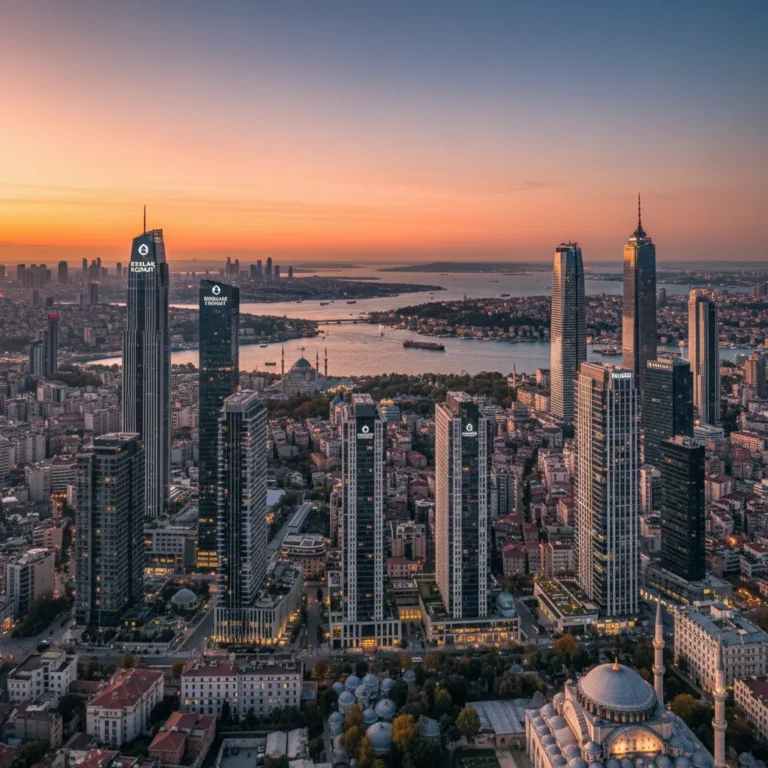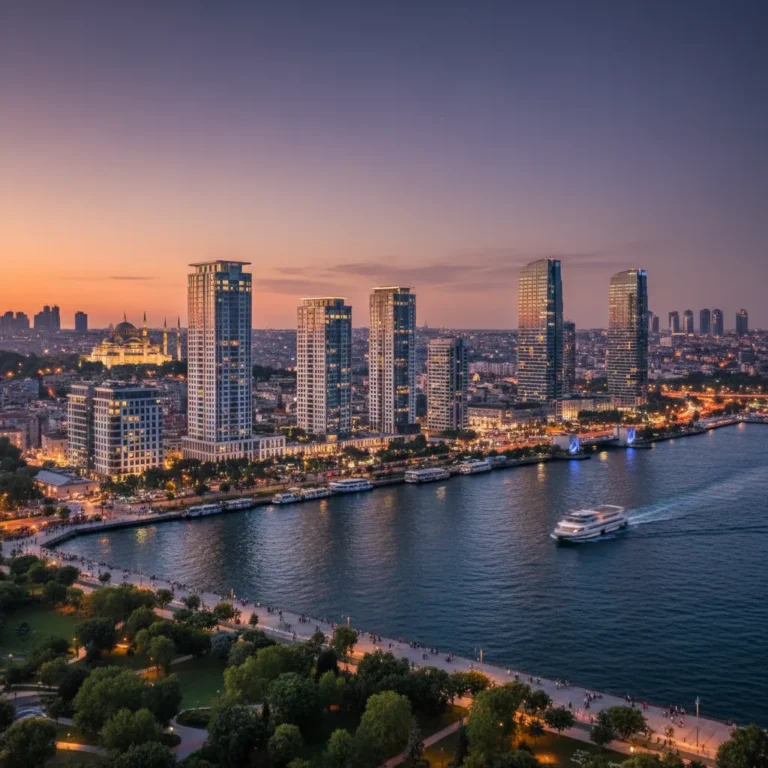
Rising global construction costs and tighter lending conditions have pushed many international buyers to rethink how they enter high-growth housing markets. In 2026, searching for cheap under construction real estate in Turkey remains one of the most practical ways to secure modern housing below completed market value while benefiting from structured developer financing. Across Istanbul, Antalya, Mersin, and Izmir, off-plan residential developments allow foreign investors, relocating families, and second-home buyers to lock in early-stage pricing long before the final handover.
Buying a property before completion is never as simple as picking the lowest price per square meter on a glossy brochure. Turkey’s real estate sector operates under strict zoning rules, currency conversion mandates, residency valuation thresholds, and seismic building codes that directly affect both your legal security and future exit strategy. Whether your primary objective is rental cash flow, capital appreciation, a long-term residence permit, or Turkish citizenship by investment, understanding how to evaluate affordable off-plan projects separates profitable acquisitions from costly delays.
Why Cheap Under Construction Properties Dominate Turkish Real Estate in 2026
To understand why off-plan developments attract disproportionate investor interest in 2026, you have to look at how Turkish construction companies fund their projects. With traditional commercial borrowing rates remaining elevated, developers rely heavily on pre-sales to maintain steady cash flow during excavation, structural framing, and interior finishing. Rather than paying high interest to domestic banks, builders pass a portion of those savings directly to early buyers through discounted launch prices and flexible installment schedules.
The Economics of Off-Plan Pricing
When a licensed Turkish developer opens a residential compound for pre-sale—often called topraktan satış or buying from the blueprint—unit prices typically sit 20% to 35% below comparable ready-to-move-in apartments in the same neighborhood. This discount compensates the buyer for waiting 18 to 36 months for delivery and reflects the developer’s need for upfront liquidity.
In 2026, inflation-adjusted construction material indices, labor expenses, and urban land scarcity mean that replacement costs for new apartments continue to climb. Once a building progresses past the structural concrete phase and approaches exterior cladding, developers systematically raise their price lists in stages. Early buyers capture that equity gap automatically, often seeing substantial paper appreciation well before receiving the keys.
Interest-Free Developer Payment Plans vs. Bank Mortgages
Foreign nationals rarely use Turkish bank mortgages because local loan-to-value ratios for non-residents are restrictive and borrowing costs erode net rental yields. Buying cheap under construction apartments solves this financing hurdle without involving traditional lenders. Most reputable developers structure direct payment plans featuring:
- Down payments between 30% and 50%: Paid upon signing the notarized purchase contract, securing the specific floor, view, and unit layout.
- Installment periods of 12 to 48 months: Spread across quarterly or monthly payments tied either to calendar dates or verifiable construction milestones.
- Zero-interest USD or EUR pricing: Many export-oriented projects quote contracts in stable foreign currencies, protecting international buyers from domestic exchange-rate volatility while avoiding compounding interest.
Capital Appreciation Across Construction Phases
Price growth in Turkish off-plan real estate follows a predictable curve. During the land excavation and foundation stage, risk perception is highest and inventory selection is widest, producing the lowest entry points. By the time the rough shell (kaba inşaat) stands complete, buyer confidence rises and prices commonly adjust upward by 10% to 15%. A final surge occurs once the municipality inspects the building and issues the habitation license, transforming a blueprint promise into a bankable, rentable asset that appeals to risk-averse end users.
Top Turkish Cities for Affordable Off-Plan Real Estate
Finding genuinely cheap under construction homes without sacrificing liquidity requires targeting districts backed by public infrastructure rather than speculative farmland. In 2026, metro extensions, logistics hubs, and coastal urban renewal zones define where budget-friendly developments actually hold long-term value.
Istanbul’s Emerging Growth Corridors
Central Istanbul districts such as Beşiktaş, Şişli, and Kadıköy offer virtually no low-cost off-plan inventory due to dense urban footprints and premium land values. Budget-conscious investors instead focus on outer-ring expansion corridors connected by expanding rail lines:
- Esenyurt and Beylikdüzü: Known for high-density gated residences featuring pools, gyms, and 24-hour security at entry-level prices. Careful street-level selection near Metrobus stations and the E-5 highway ensures steady tenant demand from local commuters.
- Arnavutköy and Başakşehir: Anchored by Istanbul Airport, major medical cities, and northern highway links, these districts feature modern master-planned compounds with strong appeal to aviation personnel and middle-income families.
- Pendik and Tuzla (Asian Side): Located near Sabiha Gökçen Airport and technology parks, eastern Istanbul delivers quieter residential environments, solid infrastructure, and consistent resale liquidity.
Antalya and Alanya: Coastal Value and Tourism Demand
Turkey’s Mediterranean coast remains a magnet for European, Middle Eastern, and CIS buyers seeking sun-belt lifestyles and seasonal income. While prime beachfront plots in Lara or Konyaaltı command premium prices, several surrounding zones offer affordable under-construction apartments:
- Kepez (Antalya): Rapidly transforming through urban renewal, Kepez provides brand-new residential complexes with tram access to downtown Antalya at a fraction of coastal prices.
- Altıntaş (Aksu): Positioned minutes from Antalya International Airport and Lara beaches, Altıntaş has evolved into a major hub for resort-style off-plan projects with hotel-grade amenities.
- Mahmutlar, Demirtas, and Gazipaşa (Alanya): East of central Alanya, buyers still find compact one-bedroom units and garden duplexes at accessible price points supported by Gazipaşa Airport’s growing flight network.
Mersin and Izmir: High-Yield Alternatives for Budget Investors
As Antalya’s prices rose sharply over recent years, value-focused buyers shifted toward Mersin along the eastern Mediterranean coast. Districts like Mezitli, Yenişehir, and Erdemli offer modern sea-view complexes under construction at remarkably low entry thresholds, driven by port expansion, regional logistics, and university populations. Meanwhile, Izmir’s northern corridors—such as Menemen and Çiğli—attract domestic professionals and corporate tenants, offering steady long-term occupancy rather than purely seasonal tourism income.
| City / District | Typical 1+1 Off-Plan Entry Price (2026) | Primary Tenant & Buyer Profile | Estimated Gross Rental Yield | Key Growth Driver |
|---|---|---|---|---|
| Istanbul (Esenyurt / Pendik) | $85,000 – $135,000 | Commuters, aviation staff, families | 5.5% – 7.0% | Metro expansions and industrial employment |
| Antalya (Kepez / Altıntaş) | $95,000 – $155,000 | Expats, digital nomads, holidaymakers | 6.0% – 8.0% | Airport proximity and urban regeneration |
| Alanya (Mahmutlar / Gazipaşa) | $75,000 – $120,000 | Retirees, seasonal European visitors | 5.5% – 7.5% | Resort amenities and coastal lifestyle |
| Mersin (Mezitli / Erdemli) | $60,000 – $95,000 | Domestic relocators, port professionals | 6.5% – 8.5% | Affordable coastal living and port trade |
| Izmir (Menemen / Çiğli) | $90,000 – $140,000 | Students, engineers, white-collar workers | 5.0% – 6.5% | Tech zones and suburban rail links |
Legal Framework and Due Diligence for Under-Construction Purchases
Low pricing means nothing if a project stalls halfway through excavation or lacks the municipal approvals required for legal occupancy. Before transferring a deposit on any cheap under construction unit in Turkey, independent legal verification must confirm that the land title, building permits, and developer credentials align with Turkish Property Law.
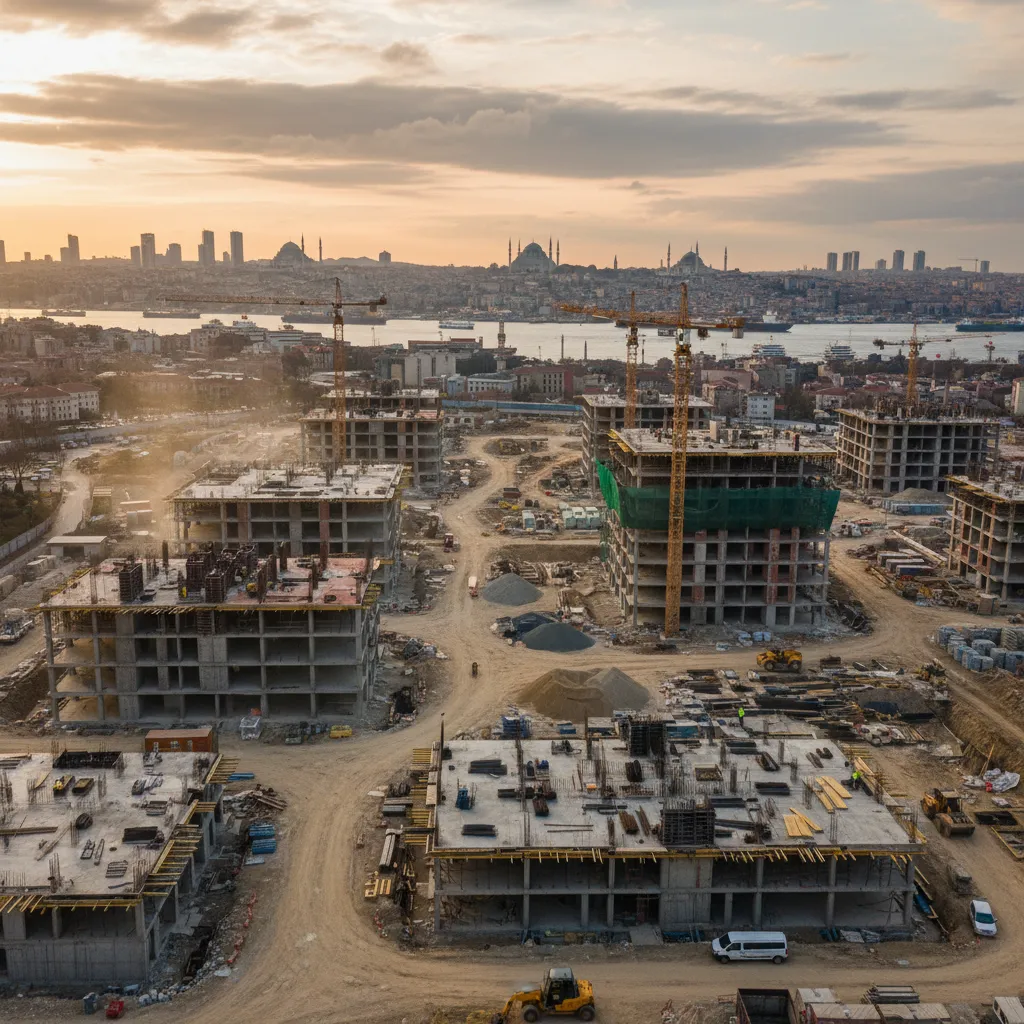
Get a free consultation now, and let us help you choose the right property.
Understanding Title Deeds: Kat İrtifakı vs. Kat Mülkiyeti
Turkey uses a unified land registry system managed by the General Directorate of Land Registry and Cadastre (Tapu ve Kadastro Genel Müdürlüğü). When buying off-plan, you will encounter two critical title deed classifications:
- Kat İrtifakı (Construction Servitude Title): Issued once architectural plans are approved and construction begins. It legally defines your future independent apartment share on the land parcel, including its gross/net square meters and land allocation ratio (arsa payı). Legitimate off-plan purchases should at least carry Kat İrtifakı status or be backed by a notarized promise-to-sell contract referencing an approved subdivision plan.
- Kat Mülkiyeti (Full Condominium Title): Granted only after construction finishes and municipal engineers verify full compliance with approved blueprints. Never confuse land-share deeds (hisseli tapu) or agricultural land deeds (tarla tapusu) with genuine residential Kat İrtifakı.
Essential Permits: Yapı Ruhsatı and the Future Iskan
Two municipal documents determine whether a building is legally sound. First is the Yapı Ruhsatı (Building Construction Permit). A developer must hold a valid, active Yapı Ruhsatı before breaking ground. Buying into an unpermitted project marketed on the promise that permits will arrive later exposes you to demolition orders, municipal fines, and frozen utility connections.
Second is the İskan (Yapı Kullanma İzin Belgesi), or Habitation License, issued upon completion. An İskan confirms the contractor built the exact floor area, height, fire exits, parking ratios, and seismic reinforcements approved in the permit. Without an İskan, owners face commercial-rate electricity and water tariffs, difficulty obtaining mortgages for future buyers, and complications with residency permits. Your sales contract must obligate the developer to obtain the İskan at their own expense within a defined timeframe.
Developer Vetting and Bank Guarantees
In Turkey’s fragmented construction sector, small family builders operate alongside publicly traded real estate investment trusts (REITs, or GYO). When evaluating an affordable project, verify the developer’s track record by inspecting at least three previously delivered complexes. Speak with building managers at those older sites to check whether promises regarding landscaping, waterproofing, and elevator maintenance held up after handover.
Additionally, request an official encumbrance search (takiyidat belgesi) from the Land Registry to confirm the underlying land is free from undisclosed bank mortgages (ipotek), tax liens, or court seizures (haciz). If the developer carries a construction loan secured against the land, verify that the bank has agreed in writing to release individual unit liens upon your final payment.
Seismic Safety Standards and 2026 Building Regulations
Following the updated Turkish Building Earthquake Code (enforced since 2019 and strictly audited through 2026), newly permitted buildings must meet rigorous geotechnical testing, concrete strength grading, and steel reinforcement standards. State-licensed independent building inspection firms (Yapı Denetim Kuruluşları) oversee every concrete pour and steel assembly on permitted projects. When buying new construction, insist on reviewing the soil survey summary (zemin etüdü) and confirming active Yapı Denetim oversight—an advantage newer off-plan builds hold over older pre-2000 housing stock.
Residency and Turkish Citizenship via Under-Construction Property
Many international investors look at cheap under construction apartments hoping to secure immigration benefits alongside rental income. In 2026, Turkish immigration and citizenship regulations draw a sharp distinction between short-term property residency and Citizenship by Investment—especially regarding incomplete developments.
The $200,000 Property Residency (Ikamet) Reality for Off-Plan Buyers
Under current Directorate of Migration Management rules, foreign buyers seeking a renewable real estate residence permit (Taşınmaz Amaçlı Kısa Dönem İkamet İzni) must meet a minimum property valuation threshold of $200,000 USD based on an official SPK-licensed appraisal report, calculated at the Central Bank rate on the day of title deed issuance. Crucially, two major restrictions apply to budget off-plan buyers:
- Completion Requirement: You generally cannot obtain a property-based residence permit while a building remains an active construction site without an İskan and habitable status. Residency applications require an actual residential address registered in the national address system (UAVT).
- Closed Neighborhood Restrictions: Over 1,100 neighborhoods across Turkey—including popular parts of Esenyurt, Fatih, Küçükçekmece, Avcılar in Istanbul, and specific quarters in Antalya and Mersin—remain closed to new foreign residency registrations regardless of property value. Buying a cheap apartment in a closed mahalle will not qualify you for a residence permit there, even if you spend above $200,000.
Therefore, if your immediate goal is relocating to Turkey before construction ends, an under-construction unit below $200,000 will serve strictly as a financial investment rather than an immediate residency vehicle.
Securing Turkish Citizenship ($400,000) Before Project Completion
By contrast, the Turkish Citizenship by Investment (TCBI) program explicitly accommodates under-construction projects—even when buying multiple affordable units bundled together—provided the total qualifying value reaches at least $400,000 USD. Investors frequently combine two or three cheap under construction apartments from reputable developers in emerging districts to hit the $400,000 threshold while diversifying their future rental income.
Notarized Promise-to-Sell Contracts (Satış Vaadi Sözleşmesi)
You do not have to wait for project completion to file for citizenship. Under Turkish law, if the project holds a valid construction servitude (Kat İrtifakı), you can execute a notarized Promise-to-Sell Agreement (Gayrimenkul Satış Vaadi Sözleşmesi) and register an annotation (şerh) on the title deed registry confirming a three-year non-sale commitment. To qualify under an off-plan promise-to-sell contract, the full $400,000 minimum must actually be paid upfront via verifiable bank transfers rather than left on a long-term developer installment plan.
SPK Valuation Reports and Foreign Exchange Purchase Certificates (DAB)
Every foreign real estate purchase in Turkey—whether $65,000 or $400,000—requires a Döviz Alım Belgesi (DAB), or Foreign Exchange Purchase Certificate. Before the title transfer or notarized citizenship contract is finalized, the buyer must remit foreign currency (USD, EUR, or GBP) to a Turkish bank, which converts it into Turkish Lira through the Central Bank system and issues the DAB linking the funds directly to the property transaction. Additionally, citizenship applicants must obtain an independent valuation report from a firm licensed by the Capital Markets Board (SPK) confirming the completed market value meets or exceeds $400,000, and the contract price, valuation, and bank receipts must all align seamlessly.
| Program Feature (2026 Rules) | Property Residence Permit (Ikamet) | Turkish Citizenship by Investment |
|---|---|---|
| Minimum Investment Value | $200,000 USD (SPK Valuation & Tapu) | $400,000 USD (SPK Valuation & Paid Funds) |
| Multiple Off-Plan Units Allowed? | No (single residential unit requirement) | Yes (can bundle multiple units) |
| Eligible While Under Construction? | No (requires habitable unit & address registration) | Yes (via notarized Promise-to-Sell & Kat İrtifakı) |
| Installment Plans Eligible? | Must hold Tapu at application | Only paid portion counts toward $400,000 minimum |
| Holding Period Requirement | Must retain ownership to renew permit | Mandatory 3-year non-sale annotation (Şerh) |
| Subject to Closed Neighborhoods? | Yes (strictly enforced by Mahalle) | No (eligible across open residential zones) |
Step-by-Step Guide to Buying Cheap Under Construction Property in Turkey
Navigating a Turkish off-plan purchase follows a structured administrative sequence. Following every step chronologically protects your capital and prevents bureaucratic stalls at handover.
- Appoint an Independent Real Estate Lawyer: Before paying a reservation fee, hire a bilingual Turkish attorney unassociated with the developer or sales agency. Your lawyer will verify the developer’s corporate standing, Yapı Ruhsatı