
Introduction to Turkish Citizenship by Investment Program
Turkey’s citizenship by investment program has emerged as one of the most attractive pathways to European citizenship for international investors. Launched in 2017 and significantly enhanced over the years, this program offers qualified investors the opportunity to obtain Turkish citizenship through strategic real estate investments. The program has gained tremendous popularity due to Turkey’s strategic location bridging Europe and Asia, its growing economy, and the substantial benefits that come with Turkish citizenship.
The Turkish citizenship through real estate investment program represents a golden opportunity for investors seeking to diversify their portfolio while securing a valuable second passport. With a minimum investment threshold that remains competitive compared to other citizenship by investment programs globally, Turkey continues to attract thousands of international investors annually.
Understanding the Turkish Citizenship Investment Requirements
Current Investment Thresholds and Criteria
As of 2026, the Turkish government requires a minimum real estate investment of $400,000 USD to qualify for citizenship. This threshold was increased from the previous $250,000 in 2022 to ensure the program attracts more substantial investments and maintains its exclusivity. The investment must be maintained for a minimum period of three years from the date of acquisition, during which the property cannot be sold or transferred.
The investment criteria extend beyond the monetary threshold. Properties must be purchased from Turkish citizens or legal entities, and the transaction must be conducted through official channels with proper documentation. Foreign investors must also ensure that the property has not been sold to another foreigner within the past three years, maintaining the program’s integrity and preventing speculative activities.
Eligible Property Types for Investment
The Turkish citizenship program accepts various property types, providing investors with flexibility in their investment choices:
- Residential Properties: Apartments, villas, townhouses, and luxury residences in prime locations
- Commercial Real Estate: Office buildings, retail spaces, warehouses, and mixed-use developments
- Industrial Properties: Manufacturing facilities, logistics centers, and industrial complexes
- Land Investments: Undeveloped land parcels with development potential
- Tourism Properties: Hotels, resorts, and hospitality-related real estate
Each property type offers unique advantages and investment potential. Residential properties in major cities like Istanbul, Ankara, and Izmir typically provide steady rental income and capital appreciation. Commercial properties offer higher yields but may require more active management. Industrial properties cater to Turkey’s growing manufacturing sector, while tourism properties benefit from the country’s robust tourism industry.
Step-by-Step Application Process
Pre-Investment Planning and Research
Before initiating the investment process, thorough research and planning are essential. Prospective investors should engage with reputable real estate agencies specializing in citizenship by investment programs. This preliminary phase involves market analysis, location assessment, and understanding the legal framework governing foreign property ownership in Turkey.
Investors should also consider their long-term objectives, whether seeking rental income, capital appreciation, or simply fulfilling citizenship requirements. Professional consultation with Turkish immigration lawyers and real estate experts ensures compliance with all regulations and maximizes investment potential.
Property Selection and Due Diligence
The property selection process requires careful evaluation of multiple factors including location, market trends, development potential, and legal status. Due diligence involves verifying property ownership, checking for any encumbrances or legal issues, and ensuring the property meets citizenship program requirements.
Professional property inspections, title searches, and legal reviews are mandatory steps in this process. Investors should also consider future resale potential and rental yield projections to make informed decisions that align with their financial goals.
Purchase Agreement and Legal Procedures
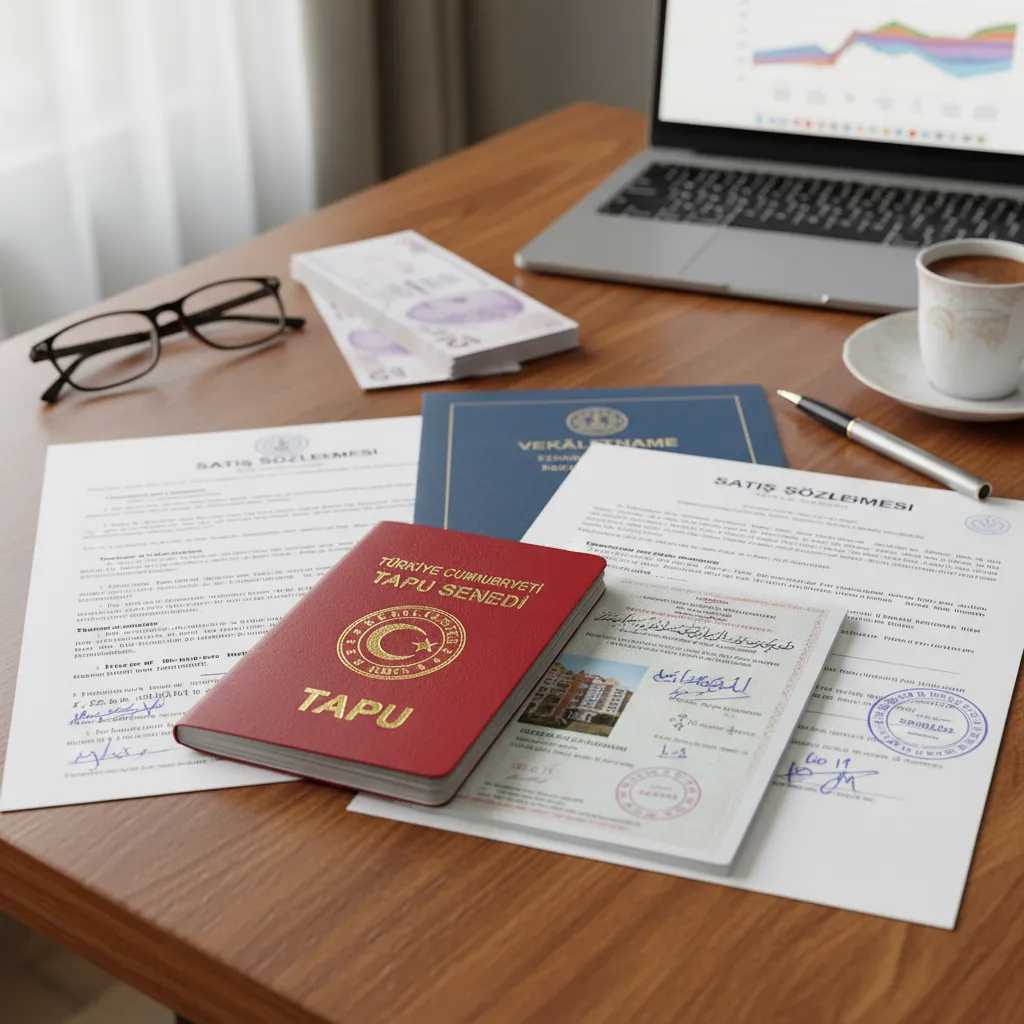
Once a suitable property is identified, the purchase process begins with drafting a comprehensive sale agreement. This document must include specific clauses related to the citizenship application, ensuring all parties understand their obligations and the timeline for completion.
Legal procedures include:
- Obtaining a Turkish tax number
- Opening a Turkish bank account
- Securing property insurance
- Completing the title deed transfer
- Registering with local municipalities
Citizenship Application Submission
After completing the property purchase, investors can submit their citizenship application through the Ministry of Interior’s General Directorate of Migration Management. The application package must include comprehensive documentation proving the investment, personal background information, and supporting documents translated into Turkish by certified translators.
The application review process typically takes 3-6 months, during which government officials verify the investment authenticity and conduct background checks on all applicants. Maintaining open communication with immigration authorities and promptly responding to any additional document requests helps expedite the process.
Required Documentation and Legal Framework
Essential Documents for Application
The Turkish citizenship application requires extensive documentation to verify investor eligibility and investment authenticity. Primary documents include:
Personal Documentation
- Valid passport copies for all family members included in the application
- Birth certificates with apostille certification
- Marriage certificates (if applicable) with proper authentication
- Educational certificates and professional qualifications
- Criminal background checks from country of origin and residence
- Medical reports confirming good health status
- Passport-sized photographs meeting Turkish government specifications
Investment-Related Documentation
- Property title deed (Tapu) showing foreign ownership
- Property valuation report from certified appraisers
- Purchase agreement and payment receipts
- Bank statements proving fund transfers
- Property insurance documentation
- Tax payment receipts and compliance certificates
Legal Compliance and Regulatory Framework
Turkey’s legal framework for foreign property ownership and citizenship by investment operates under specific regulations designed to protect both investors and national interests. The Land Registry Law governs property transactions, while the Turkish Citizenship Law outlines the requirements and procedures for naturalization through investment.
Investors must comply with foreign exchange regulations, ensuring all transactions are properly documented and reported to relevant authorities. The Capital Markets Board oversees investment activities, while the Ministry of Interior manages citizenship applications and approvals.
Benefits of Turkish Citizenship
Visa-Free Travel and Global Mobility
Turkish citizenship provides access to visa-free or visa-on-arrival travel to over 110 countries and territories worldwide. This includes significant destinations in Europe, Asia, and the Americas, making it an attractive option for business travelers and global citizens. The Turkish passport ranks favorably in international mobility indices, providing holders with substantial travel freedom.
Key travel benefits include:
- Visa-free access to European countries for short-term visits
- Simplified visa procedures for major business destinations
- Ability to live and work in Turkey without restrictions
- Access to Turkish consular services worldwide
- Potential pathway to European Union residence through Turkey’s EU candidacy
Economic and Business Advantages
Turkish citizenship opens doors to significant economic opportunities within Turkey’s dynamic economy. Citizens can establish businesses without foreign investment restrictions, access local financing options, and participate in government contracts and tenders previously limited to Turkish nationals.
The Turkish economy offers diverse opportunities across sectors including technology, manufacturing, tourism, and agriculture. Istanbul serves as a major financial hub connecting European and Asian markets, while other cities provide specialized industry clusters and emerging market opportunities.
Educational and Healthcare Benefits
Turkish citizens enjoy access to the country’s comprehensive education system, including prestigious universities and technical institutions. The education system combines traditional academic excellence with modern international standards, offering programs in multiple languages and maintaining partnerships with global institutions.
Healthcare benefits include access to Turkey’s universal healthcare system, which provides comprehensive medical coverage at affordable costs. The country has invested heavily in healthcare infrastructure, with modern hospitals and medical facilities offering world-class treatment options.
Popular Investment Locations and Market Analysis
Istanbul: The Economic Powerhouse
Istanbul remains the most popular destination for citizenship by investment properties, accounting for approximately 60% of all program investments. The city’s unique position straddling Europe and Asia, combined with its status as Turkey’s economic center, makes it an attractive location for both residential and commercial investments.
Key Istanbul districts for investment include:
Beyoğlu and Şişli Districts
These central districts offer modern apartments and commercial properties with excellent rental potential. Proximity to business centers, shopping areas, and cultural attractions makes them highly desirable for both local and international tenants.
Başakşehir and Küçükçekmece
These developing areas provide excellent value for money with new residential projects and infrastructure development. The proximity to Istanbul’s new airport and planned transportation networks adds to their long-term investment potential.
Kadıköy and Üsküdar (Asian Side)
The Asian side of Istanbul offers a more relaxed lifestyle while maintaining connectivity to the European side. These areas feature a mix of traditional charm and modern development, appealing to families and young professionals.
Ankara: The Capital Advantage
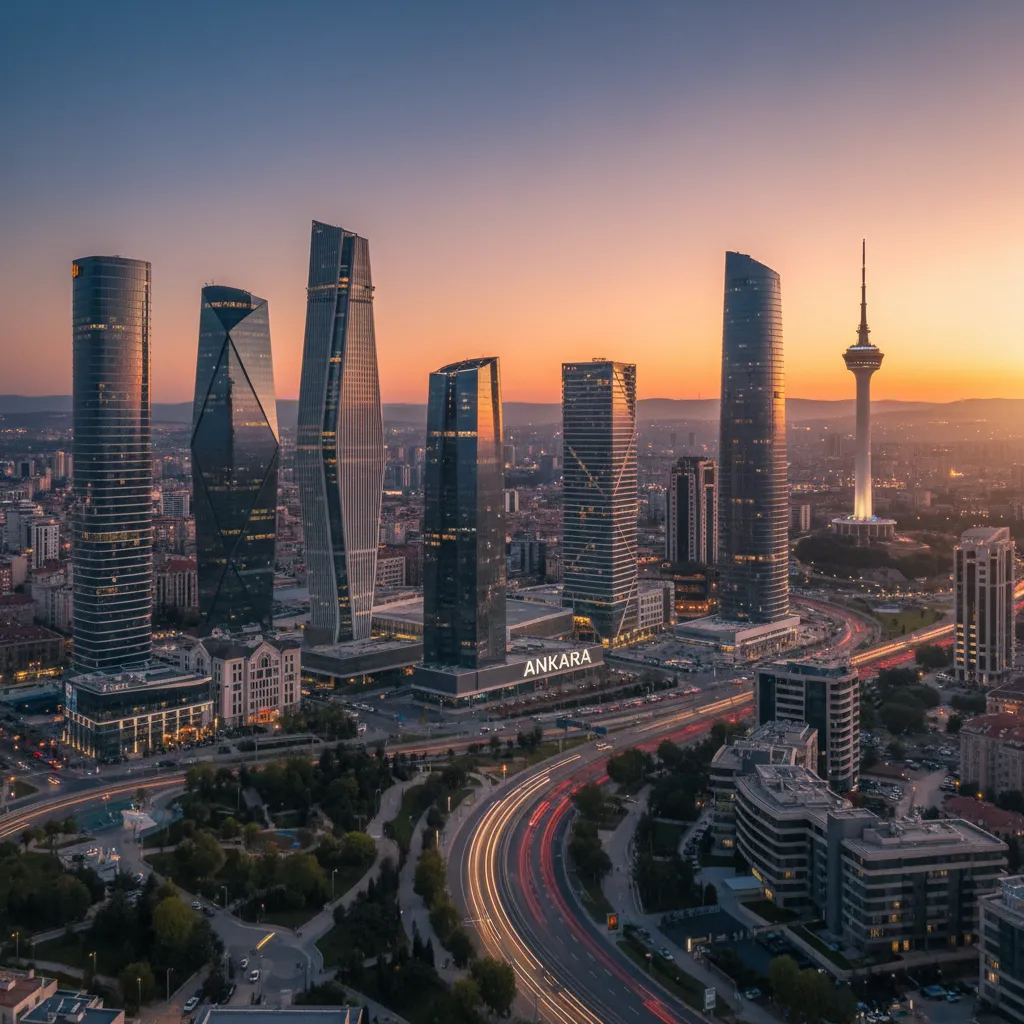
As Turkey’s capital and second-largest city, Ankara offers stable property markets and consistent rental demand driven by government employment and university populations. Property prices remain more affordable than Istanbul while offering good appreciation potential and steady rental yields.
Ankara’s advantages include:
- Stable political and economic environment
- Strong rental market due to government and diplomatic presence
- Excellent educational institutions and research centers
- Growing technology and defense industry sectors
- Well-developed infrastructure and transportation networks
Antalya: Tourism and Lifestyle Investment
Antalya and the surrounding Turkish Riviera region attract investors seeking lifestyle properties and tourism-related investments. The area’s Mediterranean climate, beautiful coastline, and established tourism infrastructure provide excellent rental income potential, particularly for short-term vacation rentals.
Investment opportunities in Antalya include:
- Luxury beachfront apartments and villas
- Golf course and resort properties
- Marina and waterfront developments
- Historic city center renovation projects
- Tourism and hospitality businesses
Investment Strategies and Financial Considerations
Maximizing Return on Investment
Successful Turkish real estate investment requires strategic planning to maximize both citizenship benefits and financial returns. Investors should consider multiple factors including location appreciation potential, rental yield projections, and long-term market trends when selecting properties.
Key strategies include:
Diversification Approaches
Rather than investing the minimum $400,000 in a single property, some investors choose to diversify across multiple smaller properties or different property types. This strategy can reduce risk while potentially increasing overall returns through varied income streams and market exposure.
Value-Add Opportunities
Identifying properties with renovation or development potential can significantly enhance investment returns. This approach requires additional capital and management but can result in substantial appreciation and rental income increases.
Market Timing Considerations
Understanding Turkish real estate cycles and economic indicators helps investors time their purchases for optimal value. Economic factors such as interest rates, currency fluctuations, and government policies all influence property values and investment timing.
Financing Options and Currency Considerations
Foreign investors have several financing options for Turkish real estate purchases, though most citizenship by investment participants prefer cash transactions to expedite the process. Turkish banks offer mortgage products to foreign buyers, typically requiring 30-50% down payments and offering competitive interest rates.
Currency considerations play a crucial role in investment planning. The Turkish Lira’s fluctuations against major international currencies can significantly impact investment returns. Many investors hedge currency risk through various financial instruments or by generating rental income in foreign currencies.
Tax Implications and Optimization
Turkish property ownership involves various taxes and fees that investors must consider in their financial planning. These include property purchase taxes, annual property taxes, rental income taxes, and potential capital gains taxes upon sale.
Tax optimization strategies include:
- Understanding double taxation treaties between Turkey and investor’s home country
- Proper structuring of property ownership through legal entities
- Maximizing allowable deductions for property-related expenses
- Planning for eventual property sale to minimize capital gains exposure
- Consulting with Turkish tax professionals for compliance and optimization
Common Challenges and Risk Management
Market Volatility and Economic Factors
Turkish real estate markets, like all emerging markets, experience periods of volatility influenced by domestic and international economic factors. Political developments, currency fluctuations, and global economic conditions can impact property values and rental markets.
Risk management strategies include:
Due Diligence and Professional Guidance
Working with experienced local professionals including real estate agents, lawyers, and property managers helps navigate market complexities and avoid common pitfalls. Professional guidance ensures compliance with all regulations and maximizes investment potential.
Insurance and Protection Strategies
Comprehensive property insurance protects against natural disasters, theft, and other risks common in Turkish real estate markets. Political risk insurance may also be considered for significant investments, though Turkey’s stable investment environment generally makes this unnecessary.
Legal and Regulatory Compliance
Maintaining compliance with Turkish laws and regulations requires ongoing attention to changing requirements and proper documentation. Regular legal reviews ensure continued eligibility for citizenship benefits and protect investment interests.
Key compliance areas include:
- Annual tax filing and payment obligations
- Property maintenance and safety requirements
- Rental income reporting and tax compliance
- Citizenship program requirements during the three-year holding period
- Immigration status updates and renewals as needed
Property Management and Ongoing Obligations
Professional Property Management Services
For international investors who cannot personally manage their Turkish properties, professional property management services provide essential support. These services handle tenant relations, maintenance, tax compliance, and administrative requirements, ensuring properties remain profitable and compliant with all regulations.
Property management services typically include:
- Tenant screening and lease management
- Regular property inspections and maintenance coordination
- Rent collection and financial reporting
- Tax preparation and government compliance
- Emergency response and problem resolution
- Market analysis and rental rate optimization
Maintenance and Upkeep Requirements
Turkish properties require regular maintenance to preserve value and ensure tenant satisfaction. Climate considerations, building standards, and local regulations all influence maintenance requirements and costs.
Common maintenance considerations include:
- Seasonal preparation for weather extremes
- Regular system inspections and servicing
- Compliance with local safety and building codes
- Aesthetic updates to maintain competitiveness
- Energy efficiency improvements for cost savings
Future Outlook and Program Evolution
Market Trends and Projections
The Turkish real estate market continues evolving with changing demographics, urbanization patterns, and economic development. Major infrastructure projects including new airports, transportation networks, and urban development initiatives create new investment opportunities and influence property values across different regions.
Emerging trends include:
Technology Integration
Smart home technologies and digital property management systems are becoming standard in new developments, influencing tenant preferences and rental premiums.
Sustainable Development
Environmental consciousness and energy efficiency requirements are driving demand for green buildings and sustainable development practices.
Demographic Shifts
Changing population patterns and lifestyle preferences influence property demand across different regions and property types.
Program Modifications and Policy Changes
The Turkish government periodically reviews and adjusts the citizenship by investment program to ensure it meets national objectives while remaining attractive to international investors. Recent changes have focused on increasing investment thresholds and tightening eligibility requirements to attract more substantial investments.
Potential future modifications may include:
- Further threshold adjustments based on market conditions
- Additional property types or investment sectors
- Enhanced due diligence requirements
- Streamlined application processes through digital platforms
- Expanded benefits for program participants
Conclusion
Turkish citizenship through real estate investment represents a compelling opportunity for international investors seeking to combine financial returns with citizenship benefits. The program’s competitive investment threshold, combined with Turkey’s strategic location and growing economy, continues attracting investors from around the world.
Success in this program requires careful planning, professional guidance, and thorough understanding of both investment opportunities and regulatory requirements. While challenges exist, as with any international investment, the potential benefits of Turkish citizenship and real estate ownership make this program an attractive option for qualified investors.
As Turkey continues developing its economy and infrastructure, early investors in the citizenship program are positioned to benefit from both immediate citizenship advantages and long-term property appreciation. The key to success lies in thorough research, professional support, and strategic investment decisions that align with both citizenship objectives and financial goals.
For investors considering this opportunity, engaging with experienced professionals familiar with both Turkish real estate markets and citizenship requirements ensures the best possible outcomes. With proper planning and execution, Turkish citizenship through real estate investment can provide lasting value through both citizenship benefits and property investment returns.