Introduction to Foreign Property Ownership in Turkey
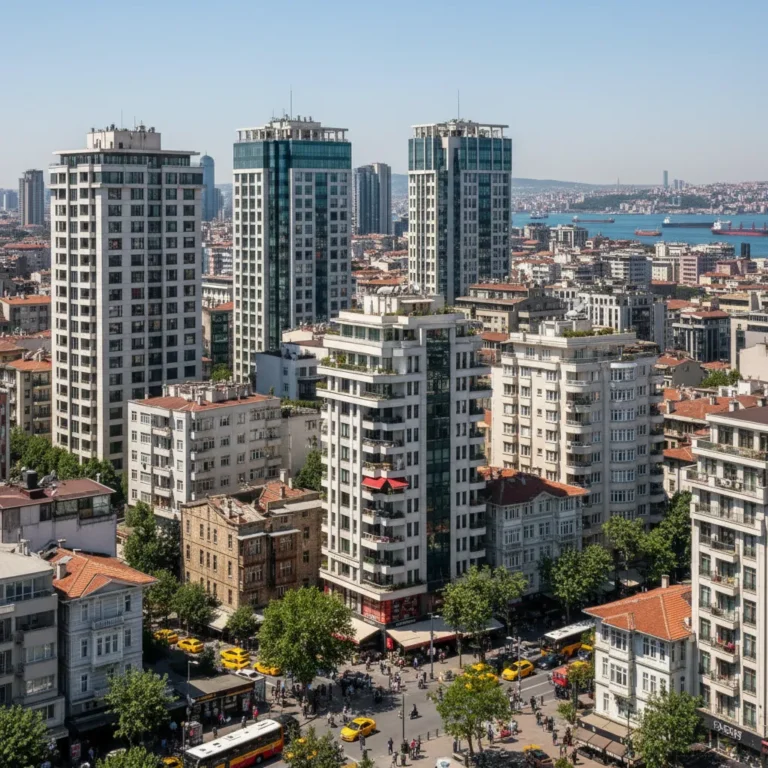
Turkey has emerged as one of the most attractive destinations for international property investment, offering a strategic location bridging Europe and Asia, competitive property prices, and favorable foreign ownership laws. The Turkish government has implemented comprehensive legislation to facilitate foreign investment in real estate, making it easier for international buyers to acquire property rights and benefit from the country’s growing economy.
Understanding foreign ownership law in Turkey is crucial for international investors considering property acquisition in this dynamic market. The legal framework governing foreign property ownership has evolved significantly over the past decades, with recent reforms designed to attract foreign capital and boost the real estate sector. This comprehensive guide examines every aspect of foreign ownership regulations, providing essential insights for successful property investment in Turkey.
Historical Development of Foreign Ownership Laws
Evolution of Property Rights for Foreigners
The journey of foreign ownership law in Turkey reflects the country’s transformation from restrictive policies to an open, investment-friendly environment. Prior to 2003, foreign nationals faced significant restrictions in acquiring real estate, with complex procedures and limited ownership rights that deterred international investment.
The landmark reform in 2003 marked a turning point, introducing the principle of reciprocity that allowed citizens of countries granting similar rights to Turkish nationals to purchase property in Turkey. This reciprocity-based system laid the foundation for the current legal framework, though it still imposed certain limitations on foreign ownership.
The 2012 Revolutionary Changes
The most significant transformation occurred in 2012 when Turkey abolished the reciprocity requirement, opening its real estate market to citizens of all countries. This groundbreaking change eliminated bureaucratic barriers and simplified the property acquisition process for foreign investors, leading to a dramatic increase in international property purchases.
The 2012 reforms also introduced area limitations and established clear procedures for foreign property acquisition, creating a balanced approach that protects national interests while encouraging foreign investment. These changes positioned Turkey as a leading destination for international real estate investment in the region.
Current Legal Framework and Regulations
Primary Legislation Governing Foreign Ownership
The current foreign ownership law in Turkey is primarily governed by the Land Registry Law (Tapu Kanunu) and related regulations that define the rights, restrictions, and procedures for foreign property acquisition. The Ministry of Interior and the General Directorate of Land Registry and Cadastre oversee the implementation of these regulations, ensuring compliance with national security and strategic interests.
Key legislative instruments include:
- Land Registry Law No. 2644
- Council of Ministers Decision on Foreign Real Estate Acquisition
- Regulation on Implementation of Foreign Real Estate Acquisition
- Military Forbidden Zones and Security Zones Law
Constitutional Framework and Property Rights
The Turkish Constitution guarantees property rights and establishes the legal foundation for foreign ownership. Article 35 of the Constitution protects property rights while allowing the state to regulate foreign ownership in accordance with national interests and security considerations.
This constitutional framework provides legal certainty for foreign investors while enabling the government to maintain oversight of strategic areas and protect national security interests. The balance between property rights protection and national security considerations forms the cornerstone of Turkey’s foreign ownership policy.
Get a free consultation now, and let us help you choose the right property.
Eligible Countries and Nationality Requirements
Universal Eligibility Principle
Since 2012, Turkey has adopted a universal eligibility approach, allowing citizens of virtually all countries to purchase real estate. This inclusive policy eliminates nationality-based discrimination and creates equal opportunities for international investors regardless of their country of origin.
The universal eligibility principle applies to both individual foreign nationals and foreign legal entities, subject to specific conditions and area limitations. This broad accessibility has made Turkey one of the most open real estate markets globally, attracting investors from diverse geographical regions and economic backgrounds.
Restricted Nationalities and Special Cases
While Turkey maintains an open-door policy for most nationalities, certain restrictions apply to citizens of specific countries due to political, security, or diplomatic considerations. These restrictions are periodically reviewed and may change based on international relations and security assessments.
Currently, citizens of the following countries face restrictions:
- Syria (with some exceptions for specific cases)
- North Korea
- Cyprus (Greek Cypriot citizens)
- Armenia (in certain circumstances)
It’s important to note that these restrictions may be subject to change, and potential investors should verify current eligibility requirements with Turkish authorities or qualified legal advisors before proceeding with property acquisition.
Property Types and Ownership Categories
Residential Property Ownership
Foreign nationals can acquire various types of residential properties in Turkey, including apartments, villas, townhouses, and residential land for development. The residential property category offers the most flexibility for foreign investors, with fewer restrictions compared to commercial or agricultural properties.
Residential property ownership includes:
- Freehold apartments and houses
- Residential land plots
- Holiday homes and vacation properties
- Student accommodation and rental properties
- Luxury villas and waterfront properties
Commercial Property Investment
Foreign investors can also acquire commercial properties, including office buildings, retail spaces, hotels, and industrial facilities. Commercial property ownership is subject to the same area limitations as residential properties but may involve additional considerations related to business licensing and operational permits.
Commercial property categories include:
- Office buildings and business centers
- Retail shops and shopping centers
- Hotels and hospitality properties
- Industrial facilities and warehouses
- Mixed-use developments
Agricultural Land Restrictions
Agricultural land ownership by foreigners is generally prohibited under Turkish law, with limited exceptions for specific cases. This restriction aims to protect Turkey’s agricultural sector and ensure food security while preventing speculative investment in farmland.
Exceptions to agricultural land restrictions may apply in cases where:
- The land is reclassified for non-agricultural use
- Special government approvals are obtained
- The acquisition serves strategic national interests
Area Limitations and Geographic Restrictions
Individual Ownership Limits
Turkish law imposes specific area limitations on foreign property ownership to prevent excessive concentration of land in foreign hands and protect national interests. Individual foreign nationals are limited to acquiring a maximum of 30 hectares (approximately 74 acres) of real estate throughout Turkey.
This limitation applies cumulatively to all properties owned by a single foreign individual, regardless of location or property type. The 30-hectare limit includes both residential and commercial properties but excludes certain categories such as properties acquired through inheritance or specific investment programs.
Aggregate Foreign Ownership Limits
In addition to individual limits, Turkish law establishes aggregate restrictions on foreign ownership within specific administrative areas. Foreign nationals collectively cannot own more than 10% of the total area within any given district (ilçe), ensuring that local communities maintain majority ownership of their territories.
This aggregate limitation is calculated and monitored by local land registry offices, which track foreign ownership percentages and may restrict further sales when the 10% threshold is approached. The aggregate limit helps maintain social cohesion and prevents the displacement of local populations through excessive foreign investment.
Strategic and Security Zones
Certain geographic areas are designated as strategic or security zones where foreign property ownership is either prohibited or subject to special authorization. These restrictions protect national security interests, military installations, and critical infrastructure.
Restricted zones include:
- Military zones and defense installations
- Border areas (typically within 30 km of international borders)
- Special security zones designated by the military
- Areas around critical infrastructure
- Certain coastal regions with strategic importance
Get a free consultation now, and let us help you choose the right property.
Legal Procedures for Property Acquisition
Pre-Purchase Requirements and Documentation
The property acquisition process for foreign nationals involves several mandatory steps and documentation requirements designed to ensure legal compliance and protect both buyers and the state’s interests. Proper preparation and documentation are essential for a smooth transaction process.
Required documents for foreign property purchase include:
- Valid passport and certified translations
- Tax identification number (vergi numarası)
- Certificate of eligibility from local authorities
- Property valuation report
- Title deed investigation report
- Military clearance certificate (for applicable areas)
- Bank statements and proof of funds
Title Deed Transfer Process
The title deed (tapu) transfer process is the formal legal procedure through which property ownership is transferred from the seller to the foreign buyer. This process must be conducted at the local Land Registry Office (Tapu Müdürlüğü) in the presence of both parties or their authorized representatives.
The transfer process involves:
- Property valuation and tax assessment
- Payment of applicable taxes and fees
- Verification of all required documents
- Military and security clearance confirmation
- Formal title deed signing and registration
- Issuance of new title deed in buyer’s name
Legal Representation and Professional Services
While not legally mandatory, engaging qualified legal representation is highly recommended for foreign property buyers. Turkish real estate lawyers specializing in foreign ownership law can navigate complex procedures, ensure compliance with all requirements, and protect buyers’ interests throughout the transaction.
Professional services typically include:
- Legal due diligence and title investigation
- Document preparation and translation
- Negotiation and contract drafting
- Tax planning and optimization
- Ongoing legal support and advice
Financial Aspects and Tax Implications
Property Transfer Taxes and Fees
Foreign property buyers in Turkey are subject to various taxes and fees during the acquisition process. Understanding these financial obligations is crucial for accurate budgeting and investment planning. The tax structure is designed to generate revenue while remaining competitive with other international property markets.
Primary taxes and fees include:
- Title Deed Transfer Tax: 4% of property value (shared equally between buyer and seller)
- VAT: 1-18% depending on property type and buyer status
- Land Registry Fees: Approximately 0.2% of property value
- Translation and notarization costs
- Legal and professional service fees
Ongoing Property Ownership Costs
Property ownership in Turkey involves recurring costs that foreign owners must consider in their long-term investment calculations. These ongoing expenses vary depending on property type, location, and usage but are generally competitive compared to other European markets.
Annual property ownership costs include:
- Property Tax: 0.1-0.6% of property value annually
- Building management fees (for apartments)
- Utility connections and consumption
- Insurance premiums
- Maintenance and repair costs
Tax Benefits and Investment Incentives
The Turkish government offers various tax benefits and incentives to encourage foreign property investment. These incentives are designed to make Turkey more attractive compared to competing markets and support economic growth through foreign capital inflows.
Available incentives include:
- Reduced VAT rates for certain property types
- Tax exemptions for properties purchased with foreign currency
- Special rates for tourism and hospitality investments
- Incentives for properties in designated development zones
Citizenship by Investment Program
Property Investment Pathway to Citizenship
Turkey offers one of the world’s most accessible citizenship by investment programs, allowing foreign nationals to acquire Turkish citizenship through qualifying real estate investments. This program has become increasingly popular among international investors seeking a second passport with global mobility benefits.
The current investment threshold for citizenship is $400,000 USD in real estate, with the commitment to hold the property for a minimum of three years. This investment level makes Turkish citizenship one of the most affordable options globally while providing access to a powerful passport with visa-free travel to numerous countries.
Eligibility Requirements and Process
The citizenship by investment program has specific eligibility requirements and procedures that applicants must fulfill. The process is streamlined but requires careful attention to documentation and compliance with all program requirements.
Key requirements include:
- Minimum investment of $400,000 USD in real estate
- Three-year holding period commitment
- Clean criminal background check
- Medical examination and health certificate
- Proof of investment funds’ legal source
- Property valuation confirming investment threshold
Benefits of Turkish Citizenship
Turkish citizenship provides numerous advantages for international investors, including enhanced global mobility, business opportunities, and lifestyle benefits. The Turkish passport offers visa-free or visa-on-arrival access to over 110 countries and territories worldwide.
Citizenship benefits include:
- Visa-free travel to numerous countries
- Right to live and work in Turkey permanently
- Access to Turkish healthcare and education systems
- Ability to sponsor family members for citizenship
- No requirement to renounce original citizenship
- Inheritance rights and property protection
Special Investment Zones and Incentive Areas
Government-Designated Development Zones
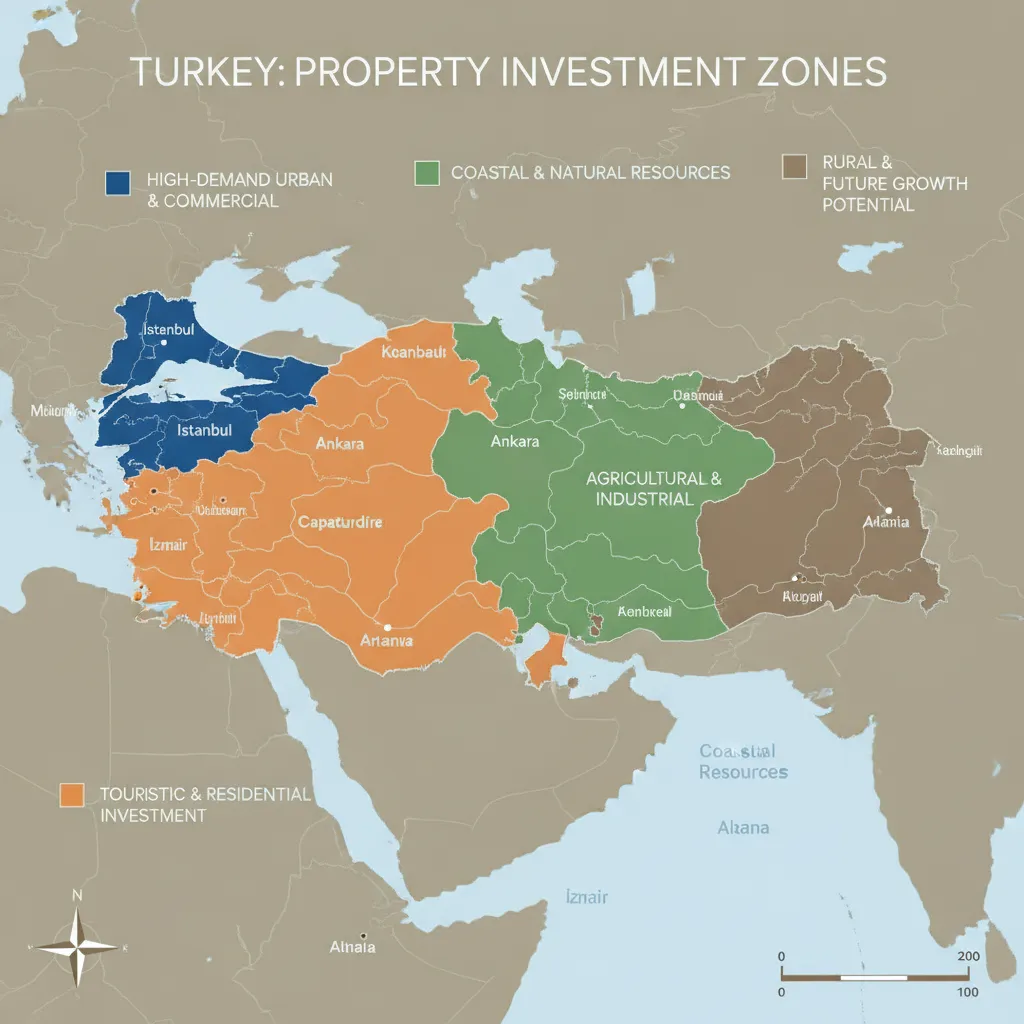
Turkey has established special investment zones and development areas that offer additional incentives and benefits for foreign property investors. These zones are strategically located to promote regional development, attract international capital, and create employment opportunities in targeted areas.
Types of special zones include:
- Free Trade Zones (FTZs)
- Organized Industrial Zones (OIZs)
- Technology Development Zones
- Tourism Investment Areas
- Special Economic Zones
Istanbul Financial Center
The Istanbul Financial Center represents Turkey’s ambitious project to establish a global financial hub rivaling London, Dubai, and Singapore. This mega-project offers unique opportunities for foreign real estate investors, with special incentives and streamlined procedures for qualifying investments.
Investment opportunities include:
- Office spaces in premium financial towers
- Residential properties for financial professionals
- Mixed-use developments
- Hospitality and service sector properties
Coastal Tourism Development Areas
Turkey’s extensive coastline along the Mediterranean, Aegean, and Black Sea offers numerous tourism development opportunities with special incentives for foreign investors. These areas benefit from government support for tourism infrastructure and streamlined approval processes.
Popular tourism investment areas include:
- Antalya and the Turkish Riviera
- Bodrum and the Aegean coast
- Cappadocia heritage sites
- Istanbul historical districts
- Black Sea highland regions
Regional Variations and Local Considerations
Istanbul Metropolitan Area
Istanbul, as Turkey’s largest city and economic center, presents unique opportunities and challenges for foreign property investors. The city’s strategic location, cultural significance, and economic importance make it the most popular destination for international real estate investment.
Istanbul market characteristics:
- Highest property values in Turkey
- Strong rental yields and capital appreciation potential
- Extensive infrastructure development projects
- International business and financial center status
- Cultural and historical attractions
Ankara Capital Region
Ankara, as Turkey’s capital and administrative center, offers stable property investment opportunities with strong government presence and institutional demand. The city’s role as the political and diplomatic hub creates consistent demand for quality residential and commercial properties.
Ankara investment features:
- Stable property values and steady appreciation
- Strong rental demand from government employees
- Educational institutions and student housing opportunities
- Modern infrastructure and urban planning
- Lower property prices compared to Istanbul
Mediterranean and Aegean Coastal Regions
Turkey’s coastal regions offer attractive opportunities for tourism-related property investments, vacation homes, and retirement properties. These areas benefit from natural beauty, favorable climate, and growing international tourism.
Coastal market advantages:
- Strong vacation rental potential
- International buyer demand
- Tourism infrastructure development
- Lifestyle and climate benefits
- Potential for capital appreciation
Due Diligence and Risk Management
Property Title Investigation
Thorough due diligence is essential for foreign property buyers to identify potential risks and ensure clear title ownership. Professional title investigation helps prevent legal disputes and protects investment security.
Due diligence components include:
- Title deed authenticity verification
- Ownership history and chain of title
- Encumbrances and liens investigation
- Zoning and planning compliance
- Building permits and construction approvals
- Tax obligations and payment status
Legal and Regulatory Compliance
Ensuring compliance with all applicable laws and regulations is crucial for successful foreign property investment. Non-compliance can result in legal challenges, financial penalties, or even property confiscation in extreme cases.
Compliance areas include:
- Foreign ownership eligibility verification
- Area limitation compliance
- Military and security zone clearances
- Tax obligation fulfillment
- Building code and safety standards
- Environmental regulations
Market Risk Assessment
Foreign property investors should conduct comprehensive market risk assessments to understand potential challenges and develop appropriate risk mitigation strategies. Market risks can include economic volatility, currency fluctuations, and political changes.
Risk factors to consider:
- Currency exchange rate fluctuations
- Economic and political stability
- Local market supply and demand dynamics
- Infrastructure development impacts
- Tourism and economic trends
- Regulatory changes and policy shifts
Professional Services and Support Systems
Legal and Advisory Services
Professional legal and advisory services are invaluable for foreign property investors navigating Turkey’s legal system and market conditions. Qualified professionals provide expertise, local knowledge, and ongoing support throughout the investment process.
Professional services include:
- Real estate lawyers specializing in foreign ownership
- Property consultants and investment advisors
- Tax advisors and accountants
- Property management companies
- Translation and documentation services
Banking and Financial Services
Turkey’s banking sector offers comprehensive services for foreign property investors, including mortgage financing, currency exchange, and investment banking services. Major Turkish banks have international departments specifically designed to serve foreign clients.
Banking services include:
- Foreign currency accounts and transfers
- Mortgage financing for eligible buyers
- Investment advisory services
- Insurance products and coverage
- Online banking and digital services
Property Management and Maintenance
Professional property management services help foreign owners maintain their investments, generate rental income, and ensure compliance with local regulations. These services are particularly valuable for non-resident owners who cannot personally oversee their properties.
Management services include:
- Tenant screening and lease management
- Property maintenance and repairs
- Tax compliance and reporting
- Insurance claims and administration
- Market analysis and investment advice
Future Outlook and Market Trends
Government Policy Developments
The Turkish government continues to refine and improve foreign ownership laws to attract international investment while protecting national interests. Recent policy discussions focus on balancing openness with security considerations and ensuring sustainable development.
Potential policy developments include:
- Digitalization of property registration processes
- Enhanced investor protection mechanisms
- Streamlined procedures for qualified investors
- Integration with international property databases
- Expanded incentives for strategic investments
Market Growth Projections
Turkey’s real estate market is projected to continue growing, driven by foreign investment, urbanization, and infrastructure development. International demand remains strong, particularly from Middle Eastern, European, and Central Asian investors.
Growth drivers include:
- Continued infrastructure investment
- Tourism sector expansion
- Urban regeneration projects
- Technology sector growth
- Strategic location advantages
Emerging Investment Opportunities
New investment opportunities continue to emerge as Turkey develops its economy and infrastructure. Smart city projects, renewable energy developments, and technology hubs present innovative investment possibilities for forward-thinking foreign investors.
Emerging sectors include:
- Smart city and sustainable development projects
- Technology parks and innovation centers
- Healthcare and medical tourism facilities
- Logistics and e-commerce infrastructure
- Renewable energy and green building projects
Conclusion
Foreign ownership law in Turkey represents one of the world’s most accessible and investor-friendly legal frameworks for international property investment. The comprehensive reforms implemented since 2012 have eliminated most barriers to foreign ownership while maintaining appropriate safeguards for national security and local community interests.
The current legal framework offers foreign investors clear procedures, reasonable restrictions, and substantial opportunities across diverse property types and geographic regions. From residential apartments in Istanbul to vacation villas on the Mediterranean coast, Turkey provides options for various investment strategies and budget levels.
Success in the Turkish property market requires thorough understanding of legal requirements, careful due diligence, and professional guidance throughout the acquisition process. Foreign investors who approach the market with proper preparation and expert support can benefit from Turkey’s strategic location, growing economy, and attractive investment incentives.
The citizenship by investment program adds another dimension to Turkey’s appeal, offering qualified investors the opportunity to acquire a valuable second passport alongside their property investment. This dual benefit makes Turkey particularly attractive for high-net-worth individuals seeking both investment returns and enhanced global mobility.
As Turkey continues to develop its economy and infrastructure, foreign property ownership opportunities are likely to expand and evolve. Staying informed about legal developments, market trends, and emerging opportunities will be crucial for maximizing investment success in this dynamic and promising market.
For foreign investors considering Turkish real estate, the current legal environment provides a solid foundation for secure and profitable investment, supported by professional services and government policies designed to facilitate international participation in Turkey’s growing property market.