Introduction to Turkey’s Real Estate Market
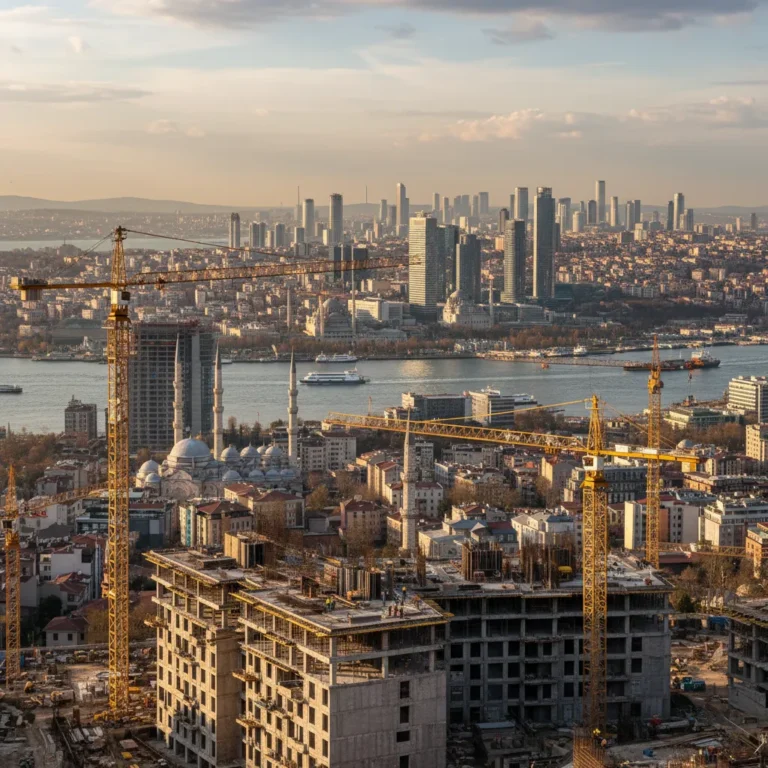
Turkey’s real estate market has emerged as one of the most dynamic and attractive property investment destinations in the world. With its strategic location bridging Europe and Asia, robust economic growth, and government incentives for foreign investors, Turkey offers exceptional opportunities for both residential and commercial property investments. Understanding real estate prices in Turkey requires a comprehensive analysis of market trends, regional variations, economic factors, and investment potential across different property types and locations.
The Turkish property market has experienced significant transformation over the past decade, driven by urbanization, infrastructure development, and increasing foreign investment. From the bustling metropolis of Istanbul to the Mediterranean coastal resorts and emerging business districts in Ankara and Izmir, real estate prices in Turkey vary considerably based on location, property type, and market conditions.
Current Market Overview and Price Trends
National Average Property Prices
As of 2024, real estate prices in Turkey demonstrate a complex landscape influenced by economic factors, currency fluctuations, and regional development patterns. The national average property prices have shown resilience despite global economic uncertainties, with certain regions experiencing substantial growth while others maintain stability.
Residential property prices across Turkey range from approximately $500 per square meter in rural areas to over $3,000 per square meter in prime Istanbul locations. Commercial properties command higher prices, with office spaces in central business districts reaching $2,500 to $4,500 per square meter, while retail properties in high-traffic areas can exceed $5,000 per square meter.
Price Growth Patterns and Market Dynamics
The Turkish real estate market has demonstrated remarkable resilience, with annual price growth rates varying significantly across regions. Urban centers continue to experience steady appreciation, while coastal areas popular with international buyers show seasonal fluctuations that impact overall pricing trends.
Foreign currency denominated transactions, particularly in US dollars and euros, have influenced pricing structures, creating opportunities for international investors while providing stability against local currency fluctuations. This dual-currency dynamic has become a defining characteristic of Turkey’s real estate pricing mechanism.
Get a free consultation now, and let us help you choose the right property.
Regional Price Analysis Across Turkey
Istanbul Real Estate Prices
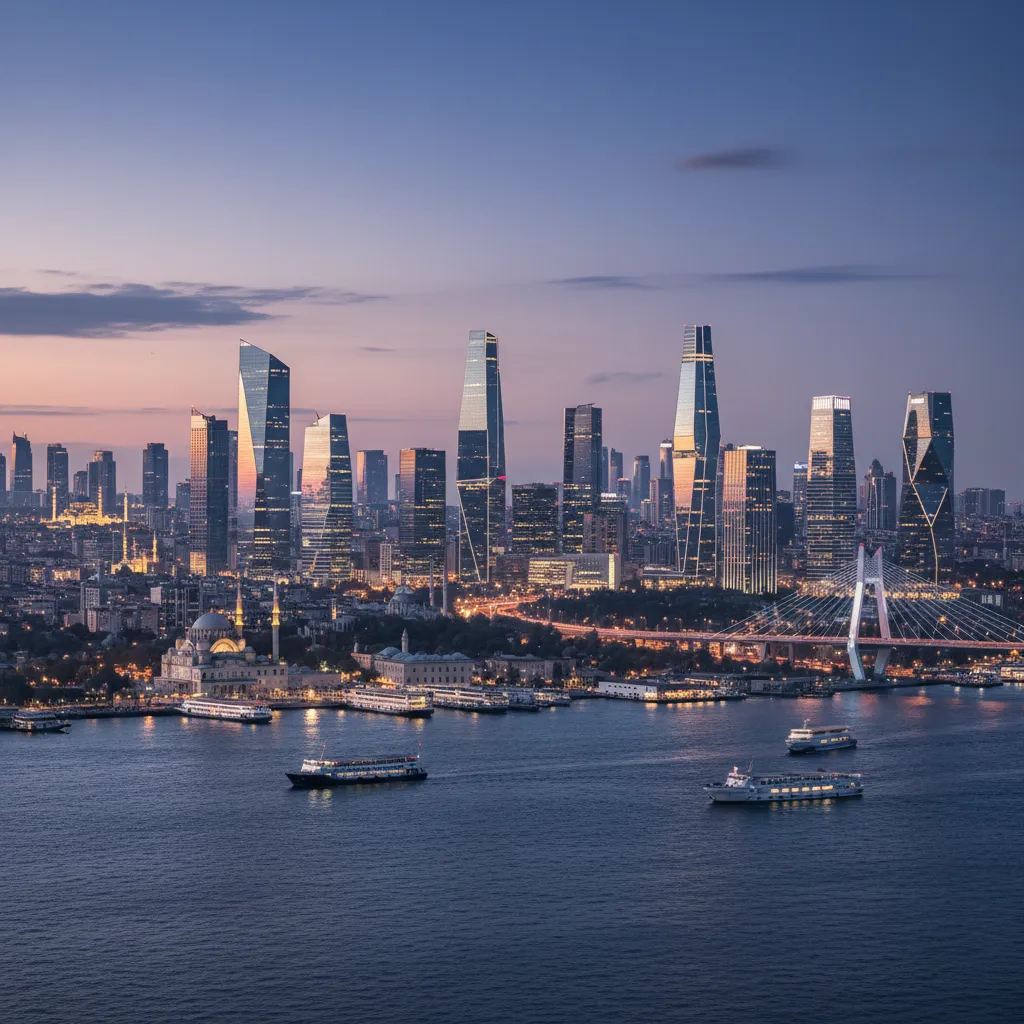
Istanbul, Turkey’s largest city and economic hub, commands the highest real estate prices in the country. The city’s diverse districts offer varying price points, from luxury waterfront properties along the Bosphorus to affordable housing in developing suburban areas.
Prime Istanbul Districts
- Besiktas and Sisli: Average prices range from $2,200 to $3,500 per square meter
- Kadikoy and Uskudar: Properties average $1,800 to $2,800 per square meter
- Beyoglu and Fatih: Historic areas with prices from $1,500 to $2,500 per square meter
- Maslak Business District: Commercial properties reach $3,000 to $4,500 per square meter
Emerging Istanbul Areas
Developing districts in Istanbul offer more affordable entry points while maintaining growth potential. Areas like Basaksehir, Esenyurt, and Beylikduzu feature new residential developments with prices ranging from $800 to $1,500 per square meter, making them attractive for first-time buyers and investors seeking capital appreciation.
Ankara Property Market
As Turkey’s capital city, Ankara presents a stable real estate market with prices generally lower than Istanbul but offering consistent demand from government employees, diplomats, and business professionals. Average residential property prices in Ankara range from $900 to $2,000 per square meter, depending on the district and property type.
Key Ankara Districts
- Cankaya: Premium residential area with prices $1,500 to $2,200 per square meter
- Kizilay: Central commercial district averaging $1,200 to $1,800 per square meter
- Ulus: Historic center with affordable options from $800 to $1,300 per square meter
- Bilkent: University area with modern developments priced $1,100 to $1,700 per square meter
Izmir and Aegean Coast Pricing
Izmir, Turkey’s third-largest city, offers attractive real estate prices combined with Mediterranean lifestyle benefits. The city’s proximity to popular resort destinations and its growing economic importance contribute to steady property value appreciation.
Residential properties in Izmir average $1,000 to $2,500 per square meter, with premium coastal areas commanding higher prices. The city’s expanding metro system and urban renewal projects continue to drive demand and price growth in previously undervalued neighborhoods.
Mediterranean Coast Resort Areas
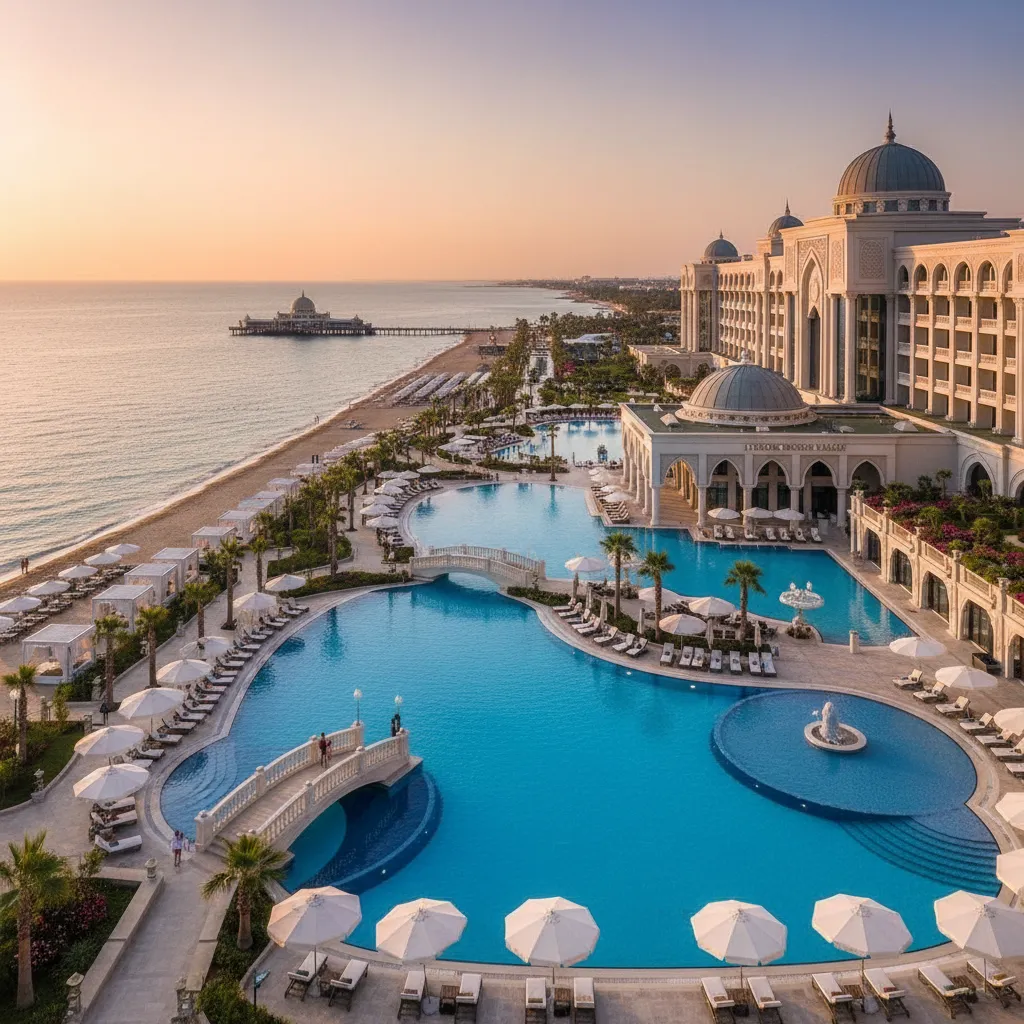
Turkey’s Mediterranean coast, including Antalya, Bodrum, and Kas, represents some of the most sought-after real estate markets for international buyers. These resort destinations offer seasonal rental income potential alongside lifestyle benefits.
Antalya Property Prices
- City Center: $1,200 to $2,200 per square meter
- Lara Beach: Luxury resorts and residences $1,800 to $3,200 per square meter
- Konyaalti: Beachfront properties $1,500 to $2,800 per square meter
- Alanya: Popular with European buyers, $900 to $2,000 per square meter
Bodrum Luxury Market
Bodrum represents Turkey’s premier luxury real estate market, with waterfront villas and premium developments commanding prices from $2,500 to $8,000 per square meter. The peninsula’s limited development opportunities and high international demand contribute to consistent price appreciation and strong rental yields.
Property Types and Price Variations
Residential Property Categories
Apartments and Condominiums
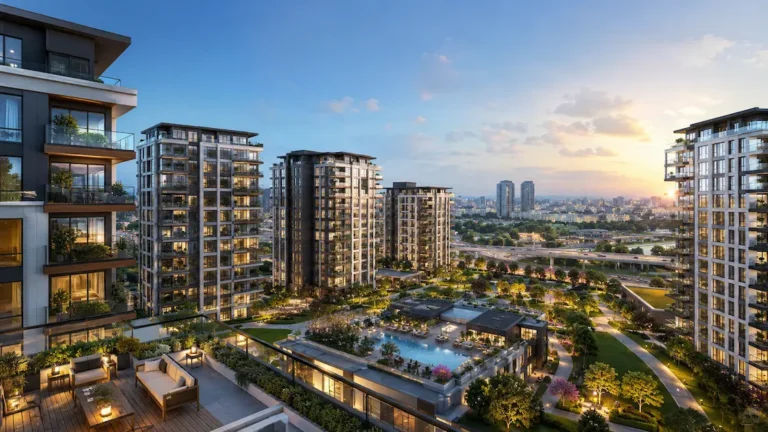
Apartment living dominates Turkey’s urban real estate landscape, with prices varying significantly based on age, amenities, and location. New construction apartments in desirable areas command premium prices, while older buildings offer more affordable entry points with renovation potential.
Modern apartment complexes with amenities such as swimming pools, fitness centers, and security services typically price 20-40% higher than basic residential units. These developments cater to both domestic buyers seeking modern conveniences and international investors attracted to turnkey investment opportunities.
Villas and Detached Homes
Villa properties represent the luxury segment of Turkey’s real estate market, particularly popular in coastal resort areas and suburban Istanbul districts. Prices for villas range from $150,000 for modest properties in developing areas to over $2 million for luxury waterfront estates.
The villa market attracts high-net-worth individuals seeking privacy, space, and lifestyle benefits. Many villa developments include private pools, landscaped gardens, and exclusive community amenities, justifying premium pricing structures.
Commercial Real Estate Pricing
Office Space Market
Commercial office space in Turkey’s major cities reflects the country’s growing business sector and international corporate presence. Prime office locations in Istanbul’s financial districts command the highest rents, with Grade A office space reaching $25 to $45 per square meter monthly.
Secondary business districts and emerging commercial areas offer more affordable office space options, typically ranging from $12 to $25 per square meter monthly. These areas attract small to medium enterprises and startups seeking cost-effective business locations with growth potential.
Retail and Hospitality Properties
Retail properties in high-traffic shopping areas and tourist destinations command premium prices, reflecting their income-generating potential. Ground-floor retail spaces in prime locations can cost $3,000 to $6,000 per square meter, while shopping mall units vary based on location and foot traffic.
Hotel and hospitality properties represent specialized investment opportunities, particularly in Turkey’s tourism-focused regions. Boutique hotels and resort properties offer both capital appreciation potential and operational income streams for experienced investors.
Get a free consultation now, and let us help you choose the right property.
Economic Factors Influencing Real Estate Prices
Currency Impact and Foreign Exchange Considerations
The Turkish lira’s fluctuations significantly impact real estate pricing, particularly for international investors. Many high-value properties are quoted in US dollars or euros, providing stability for foreign buyers while creating opportunities during favorable exchange rate periods.
Currency hedging strategies have become essential for serious real estate investors in Turkey, as exchange rate movements can substantially affect investment returns. Professional investors often time their purchases to coincide with favorable currency conditions, maximizing their purchasing power in the Turkish market.
Government Policies and Incentives
Citizenship by Investment Program
Turkey’s citizenship by investment program, requiring a minimum $400,000 property purchase, has significantly influenced high-end real estate prices. This program attracts international buyers seeking Turkish citizenship, creating sustained demand for properties meeting the investment threshold.
The citizenship program has particularly impacted luxury residential markets in Istanbul, Ankara, and coastal resort areas, where developers specifically design projects to meet citizenship investment requirements. This targeted demand has contributed to price stability and growth in the premium property segment.
Tax Incentives and Foreign Investment Policies
Turkish government incentives for foreign property investors include reduced transaction taxes, simplified purchase procedures, and residency permit benefits. These policies have contributed to increased international investment, supporting property values and market liquidity.
Recent policy changes have streamlined the property purchase process for foreign buyers, reducing bureaucratic obstacles and transaction times. These improvements have enhanced Turkey’s attractiveness as an international real estate investment destination.
Infrastructure Development Impact
Transportation Projects
Major infrastructure projects, including airport expansions, metro line extensions, and highway improvements, significantly impact local property values. Areas benefiting from improved transportation connectivity typically experience 15-30% price appreciation within two years of project completion.
The Istanbul Canal project, new airport developments, and high-speed rail connections continue to influence regional property pricing patterns. Investors who identify areas benefiting from future infrastructure improvements often achieve superior returns through strategic property positioning.
Urban Renewal and Regeneration
Turkey’s extensive urban renewal programs transform older neighborhoods, creating opportunities for both developers and investors. These projects typically result in significant property value increases as areas transition from deteriorated districts to modern residential and commercial zones.
Government-sponsored urban transformation projects provide compensation and relocation assistance to existing residents while creating new development opportunities. These programs have revitalized numerous Istanbul neighborhoods, contributing to overall market growth and modernization.
Investment Opportunities and Market Segments
Rental Yield Analysis
Residential Rental Markets
Turkey’s rental markets offer attractive yields for property investors, with residential properties typically generating 4-8% annual returns depending on location and property type. Prime Istanbul locations yield 4-6%, while emerging areas and coastal properties can achieve 6-8% returns.
Short-term rental opportunities through platforms like Airbnb have created additional income streams, particularly in tourist destinations. Properties in Antalya, Bodrum, and historic Istanbul districts can generate 10-15% annual yields through vacation rental management.
Commercial Property Returns
Commercial properties generally offer higher yields than residential investments, with office buildings typically generating 6-10% annual returns. Retail properties in prime locations can achieve 8-12% yields, while warehouse and industrial properties offer 7-9% returns with longer lease terms.
Mixed-use developments combining residential, retail, and office components provide diversified income streams and reduced vacancy risks. These properties appeal to institutional investors seeking stable, long-term returns with inflation protection.
Emerging Market Segments
Student Housing and Co-living
Turkey’s growing university sector and young population create demand for specialized student housing and co-living arrangements. These properties typically generate higher yields than traditional residential investments while serving essential social needs.
Purpose-built student accommodations near major universities in Istanbul, Ankara, and Izmir offer 8-12% annual returns with strong occupancy rates. Co-living concepts targeting young professionals and international students represent emerging opportunities in urban markets.
Senior Living and Healthcare Properties
Turkey’s aging population and growing healthcare sector create opportunities for specialized senior living and medical properties. These investments offer stable income streams with long-term demographic support and potential government backing.
Healthcare real estate, including private hospitals, medical centers, and rehabilitation facilities, represents a growing investment sector with strong fundamentals and government support for healthcare infrastructure development.
Price Forecasts and Market Outlook
Short-term Market Predictions
2024-2025 Price Trends
Real estate prices in Turkey are expected to continue their upward trajectory through 2024-2025, driven by sustained foreign investment, infrastructure development, and domestic demand growth. Analysts predict 8-15% annual price appreciation in prime markets, with emerging areas potentially achieving higher growth rates.
Coastal resort areas are anticipated to outperform urban markets in the short term, benefiting from post-pandemic travel recovery and increased international tourism. Properties offering vacation rental potential should maintain strong demand and pricing power.
Regional Growth Expectations
- Istanbul: Steady 10-12% annual growth in prime districts
- Ankara: Moderate 6-8% appreciation with stable demand
- Antalya: Strong 12-18% growth driven by tourism recovery
- Izmir: Consistent 8-10% appreciation with infrastructure benefits
- Bodrum: Premium luxury market growth of 10-15% annually
Long-term Investment Outlook
Demographic and Economic Drivers
Turkey’s favorable demographics, including a young population and growing middle class, support long-term real estate demand. Urbanization trends continue to drive migration from rural areas to major cities, sustaining residential property demand and price growth.
The country’s strategic location and growing role in international trade create ongoing demand for commercial and logistics properties. Turkey’s position as a bridge between Europe, Asia, and the Middle East enhances its long-term economic prospects and real estate market potential.
Technology and Innovation Impact
Technological advancement and smart city initiatives are transforming Turkey’s real estate landscape. Properties incorporating smart home technology, energy efficiency features, and digital infrastructure command premium prices and attract tech-savvy buyers.
The growth of remote work and digital nomadism creates new demand patterns for flexible living spaces and co-working facilities. Properties adapting to these trends are likely to achieve superior performance in the evolving market landscape.
Buying Process and Cost Considerations
Transaction Costs and Fees
Purchase-related Expenses
Property buyers in Turkey should budget for various transaction costs beyond the purchase price. These include title deed fees (approximately 4% of property value), legal fees (1-2%), survey and valuation costs, and translation services for foreign buyers.
Foreign buyers may incur additional costs for obtaining tax numbers, opening Turkish bank accounts, and currency exchange fees. Professional assistance from experienced real estate agents and lawyers typically costs 2-3% of the property value but provides essential guidance through the complex purchase process.
Ongoing Ownership Costs
Property owners in Turkey face annual expenses including property taxes (0.1-0.6% of assessed value), building maintenance fees, insurance, and utilities. Luxury properties and apartment complexes with amenities typically have higher ongoing costs but also command premium rental rates and resale values.
Foreign property owners should consider professional property management services, particularly for rental properties or vacation homes. Management fees typically range from 8-15% of rental income but provide essential local expertise and maintenance coordination.
Financing Options and Mortgage Availability
Local Mortgage Market
Turkish banks offer mortgage financing to both domestic and foreign buyers, though terms and requirements vary significantly. Foreign buyers typically need larger down payments (30-50%) and face higher interest rates than Turkish citizens.
Mortgage terms usually range from 10-20 years, with interest rates varying based on currency denomination and borrower profile. Some banks offer foreign currency mortgages to international buyers, providing currency matching for income and debt obligations.
Alternative Financing Strategies
Developer financing programs offer alternative funding options for new construction properties. These arrangements often include favorable payment terms, reduced down payment requirements, and completion guarantees.
International financing through offshore banks or private lenders provides additional options for high-net-worth buyers. These arrangements typically require substantial assets and offer more flexible terms than local mortgage products.
Legal Framework and Regulatory Environment
Foreign Ownership Rights
Property Ownership Regulations
Foreign nationals can freely purchase property in Turkey, subject to certain restrictions on military zones and border areas. The reciprocity principle applies to citizens from countries that allow Turkish nationals to buy property, covering most major investor nations.
Foreign buyers can own up to 30 hectares of land nationally and cannot exceed 10% of a district’s total area. These limits rarely affect typical residential or commercial property purchases but may impact large-scale development projects.
Title Deed and Registration Process
Property ownership in Turkey is registered through the official title deed (tapu) system, providing clear legal ownership documentation. The registration process involves property valuation, tax payment, and official transfer at the local title deed office.
Professional legal assistance ensures proper due diligence, including verification of clear title, building permits, and compliance with zoning regulations. This protection is essential for foreign buyers unfamiliar with Turkish legal procedures and requirements.
Tax Implications and Obligations
Property-related Taxation
Property owners in Turkey face various tax obligations, including annual property tax based on assessed values and potential capital gains tax on property sales. Foreign owners receive the same tax treatment as Turkish citizens for property-related obligations.
Capital gains tax applies to properties sold within five years of purchase, with rates varying based on holding period and property type. Properties held longer than five years are generally exempt from capital gains taxation, encouraging long-term investment.
Income Tax on Rental Properties
Rental income from Turkish properties is subject to income tax, with rates depending on total income levels and taxpayer status. Foreign property owners must file annual tax returns and may benefit from double taxation treaties with their home countries.
Professional tax planning and compliance services help property owners optimize their tax obligations while meeting all legal requirements. These services typically cost 1-2% of rental income but provide essential expertise and peace of mind.
Market Risks and Mitigation Strategies
Economic and Political Risk Factors
Currency Volatility Management
Currency fluctuations represent the primary risk for foreign property investors in Turkey. Strategies for managing this risk include purchasing properties priced in hard currencies, maintaining diverse currency holdings, and timing transactions during favorable exchange rate periods.
Professional currency hedging services help large investors manage exchange rate exposure through forward contracts and other financial instruments. These strategies provide predictability for investment returns while maintaining exposure to Turkish real estate appreciation.
Political and Regulatory Stability
Turkey’s political environment and regulatory framework generally support foreign property investment, though investors should monitor policy changes that might affect property rights or taxation. Professional legal and tax advisory services provide ongoing guidance on regulatory developments.
Diversification across multiple properties and regions reduces concentration risk while maintaining exposure to Turkey’s real estate growth potential. This strategy helps protect against localized political or economic disruptions.
Market-specific Risk Considerations
Liquidity and Exit Strategy Planning
Real estate liquidity varies significantly across Turkish markets, with prime Istanbul and resort properties generally offering better marketability than secondary locations. Investors should consider exit strategies and holding periods when selecting properties and locations.
Professional property management and marketing services enhance liquidity by maintaining properties in marketable condition and providing access to qualified buyer networks. These services are particularly valuable for foreign investors with limited local market knowledge.
Construction and Development Risks
Off-plan property purchases carry construction completion and quality risks, despite legal protections and developer guarantees. Due diligence on developer track records, financial stability, and project feasibility is essential for new construction investments.
Professional project monitoring and inspection services help buyers track construction progress and quality standards. These services typically cost 1-2% of property value but provide essential protection for significant investments.
Conclusion
Real estate prices in Turkey reflect a dynamic and evolving market offering substantial opportunities for both domestic and international investors. The country’s strategic location, growing economy, favorable demographics, and government support for foreign investment create a compelling environment for property investment across multiple market segments.
Understanding regional price variations, property types, and market dynamics is essential for successful investment in Turkish real estate. From luxury waterfront properties in Bodrum to emerging residential developments in suburban Istanbul, the market offers options for diverse investment strategies and risk tolerances.
The combination of attractive pricing, strong rental yields, capital appreciation potential, and citizenship benefits makes Turkey’s real estate market particularly appealing to international investors. However, success requires careful market analysis, professional guidance, and appropriate risk management strategies.
As Turkey continues its economic development and infrastructure modernization, real estate prices are expected to reflect the country’s growing prosperity and international significance. Investors who understand market fundamentals, regional dynamics, and regulatory requirements are well-positioned to benefit from Turkey’s real estate growth story.
The Turkish real estate market’s resilience, diversity, and growth potential make it an attractive destination for property investment in 2024 and beyond. Whether seeking lifestyle benefits, rental income, capital appreciation, or citizenship advantages, Turkey’s property market offers compelling opportunities for informed and prepared investors.