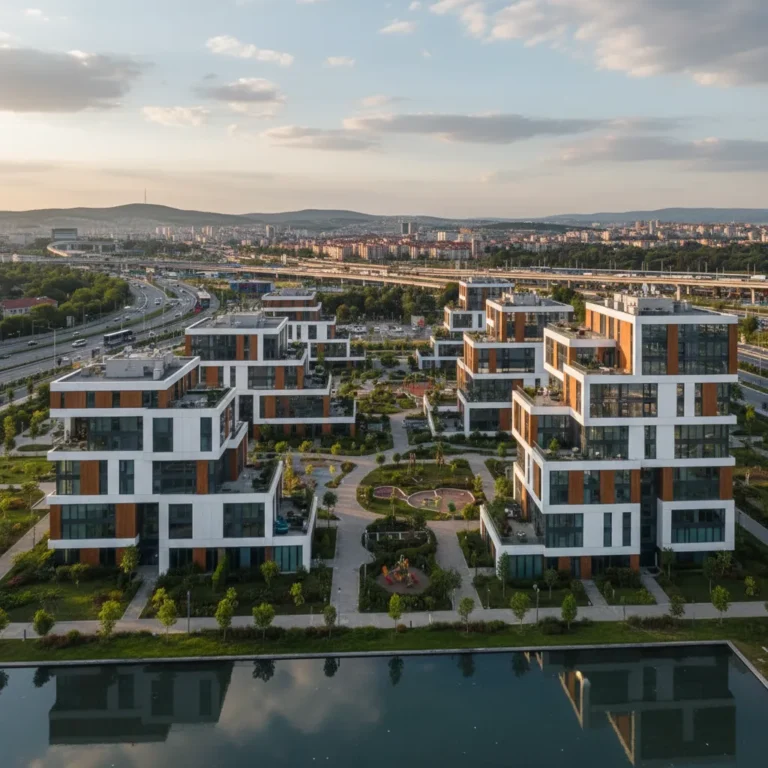
Introduction to Property Management and Rental Markets in Turkey
Turkey’s property management and rental sector has experienced remarkable growth over the past decade, establishing itself as a cornerstone of the nation’s real estate industry. With its strategic location bridging Europe and Asia, robust economic fundamentals, and attractive investment incentives, Turkey offers compelling opportunities for both domestic and international property investors seeking rental income and long-term capital appreciation.
The Turkish rental market encompasses diverse property types, from luxury residential apartments in Istanbul and Ankara to vacation rentals along the Mediterranean coast, commercial office spaces, and industrial properties. This comprehensive landscape requires sophisticated property management approaches tailored to local regulations, cultural nuances, and market dynamics that define Turkey’s unique real estate environment.
Understanding the intricacies of property management and rental operations in Turkey is essential for maximizing investment returns while ensuring compliance with Turkish property laws and taxation requirements. This guide provides detailed insights into every aspect of the Turkish rental market, from legal frameworks to practical management strategies.
Legal Framework for Property Management in Turkey
Turkish Property Law Fundamentals
The Turkish Civil Code and Law of Obligations form the foundation of property management and rental regulations in Turkey. These comprehensive legal frameworks establish clear guidelines for property ownership rights, landlord-tenant relationships, and professional property management obligations. Foreign investors must understand these regulations to operate successfully within Turkey’s legal system.
Property ownership in Turkey is governed by the Turkish Land Registry system, which maintains detailed records of all real estate transactions and ownership transfers. This centralized system provides transparency and security for property investors while establishing clear chains of title that facilitate rental operations and property management activities.
Rental Agreement Requirements
Turkish law mandates specific requirements for rental agreements, including mandatory registration with local tax authorities for contracts exceeding certain duration thresholds. Standard rental agreements must include detailed property descriptions, rental amounts, payment schedules, maintenance responsibilities, and termination procedures that comply with Turkish consumer protection laws.
The Turkish Code of Obligations requires landlords to provide habitable properties that meet minimum safety and health standards. Property managers must ensure compliance with building codes, fire safety regulations, and environmental standards while maintaining detailed documentation of all property conditions and maintenance activities.
Tenant Rights and Protections
Turkish tenant protection laws provide comprehensive safeguards against arbitrary rent increases, unlawful evictions, and discriminatory practices. Annual rent increases are limited by official inflation rates published by the Turkish Statistical Institute, providing predictable cost structures for both landlords and tenants in long-term rental arrangements.
Eviction procedures in Turkey follow strict legal protocols requiring court orders for most terminations, except in cases of non-payment or lease violations. Property managers must understand these procedures to avoid legal complications while protecting property owner interests through proper documentation and legal compliance.

Get a free consultation now, and let us help you choose the right property.
Types of Rental Properties in Turkey
Residential Rental Market
Turkey’s residential rental market encompasses diverse property types catering to various demographic segments and income levels. Urban centers like Istanbul, Ankara, and Izmir offer high-rise apartments, luxury condominiums, and traditional houses that attract both local residents and international expatriates seeking quality accommodation options.
Student housing represents a significant segment of the residential rental market, particularly in university cities where demand consistently exceeds supply. Purpose-built student accommodations and shared apartment arrangements provide steady rental income streams for property investors targeting this demographic segment.
Luxury Residential Properties
- High-end apartments in premium neighborhoods
- Waterfront properties along the Bosphorus and Mediterranean coast
- Gated community residences with comprehensive amenities
- Historic properties in culturally significant districts
- Modern penthouses with panoramic city views
Mid-Market Residential Options
- Standard apartment buildings in established neighborhoods
- Suburban houses with garden spaces
- Newly constructed developments with modern amenities
- Converted historical buildings in city centers
- Serviced apartments for short-term corporate rentals
Commercial Property Rentals
Turkey’s commercial rental market serves diverse business sectors, from multinational corporations requiring premium office spaces to small enterprises seeking affordable retail locations. Commercial property management involves complex lease negotiations, tenant improvement coordination, and ongoing facility management services that require specialized expertise.
Retail properties in Turkey benefit from the country’s robust domestic consumption and growing tourism sector. Shopping centers, street-level retail spaces, and specialized commercial districts provide attractive investment opportunities for property managers focused on commercial rental operations.
Office Space Categories
- Grade A office buildings in central business districts
- Technology parks and innovation centers
- Co-working spaces and flexible office solutions
- Industrial office complexes
- Government and institutional office facilities
Vacation Rental Properties
Turkey’s tourism industry drives substantial demand for vacation rental properties, particularly along the Mediterranean and Aegean coasts. Cities like Antalya, Bodrum, and Kas attract millions of international visitors annually, creating lucrative opportunities for short-term rental property management.
Vacation rental management requires specialized approaches including seasonal pricing strategies, guest services coordination, and intensive property maintenance schedules that ensure consistent quality standards throughout peak tourism periods.
Property Management Services and Solutions
Full-Service Property Management
Professional property management companies in Turkey offer comprehensive services covering every aspect of rental property operations. These services include tenant screening and placement, rent collection and financial reporting, property maintenance and repairs, legal compliance monitoring, and strategic asset management consulting.
Full-service property managers typically charge fees ranging from 8% to 15% of gross rental income, depending on property types, service levels, and local market conditions. These fees cover operational expenses while providing property owners with passive income streams and professional oversight of their real estate investments.
Core Management Services
- Tenant acquisition and screening processes
- Lease negotiation and contract administration
- Monthly rent collection and financial reporting
- Property maintenance and emergency repairs
- Legal compliance and regulatory monitoring
- Insurance coordination and claims management
- Property inspections and condition assessments
- Market analysis and rental rate optimization
Specialized Management Services
Certain property types require specialized management expertise beyond standard residential or commercial services. Luxury properties demand concierge services, enhanced security measures, and premium maintenance standards that justify higher management fees and specialized service providers.
Vacation rental management involves dynamic pricing strategies, guest communication systems, cleaning and maintenance coordination, and marketing across multiple booking platforms. These specialized services require technology integration and operational expertise specific to the hospitality sector.
Technology Integration
- Property management software systems
- Online rent payment platforms
- Maintenance request tracking systems
- Tenant communication portals
- Financial reporting and analytics tools
- Smart home automation integration
- Energy management and monitoring systems
Financial Aspects of Rental Property Investment
Rental Yield Analysis
Rental yields in Turkey vary significantly by location, property type, and market conditions. Prime locations in Istanbul typically generate gross rental yields between 4% and 7% annually, while emerging markets and vacation rental properties may achieve higher yields ranging from 8% to 12% depending on seasonal demand patterns.
Net rental yield calculations must account for property management fees, maintenance costs, insurance premiums, property taxes, and vacancy periods. Professional property managers provide detailed financial analysis helping investors understand true investment returns and optimize rental pricing strategies.
Yield Optimization Strategies
- Regular market rent assessments and adjustments
- Property improvement and modernization projects
- Tenant retention programs reducing vacancy costs
- Energy efficiency upgrades lowering operating expenses
- Value-added services generating additional revenue
- Strategic property positioning and marketing
Taxation and Financial Compliance
Turkish tax regulations require rental income reporting and payment of appropriate taxes based on property ownership structure and investor residency status. Foreign investors may benefit from double taxation treaties between Turkey and their home countries, potentially reducing overall tax burdens on rental income.
Property management companies typically handle tax compliance requirements including monthly rental income reporting, annual tax return preparation, and coordination with certified public accountants specializing in Turkish real estate taxation.
Tax Considerations
- Rental income tax rates and calculation methods
- Property tax assessments and payment schedules
- Value-added tax implications for commercial rentals
- Depreciation allowances for property improvements
- Foreign exchange considerations for international investors
- Estate planning and inheritance tax implications
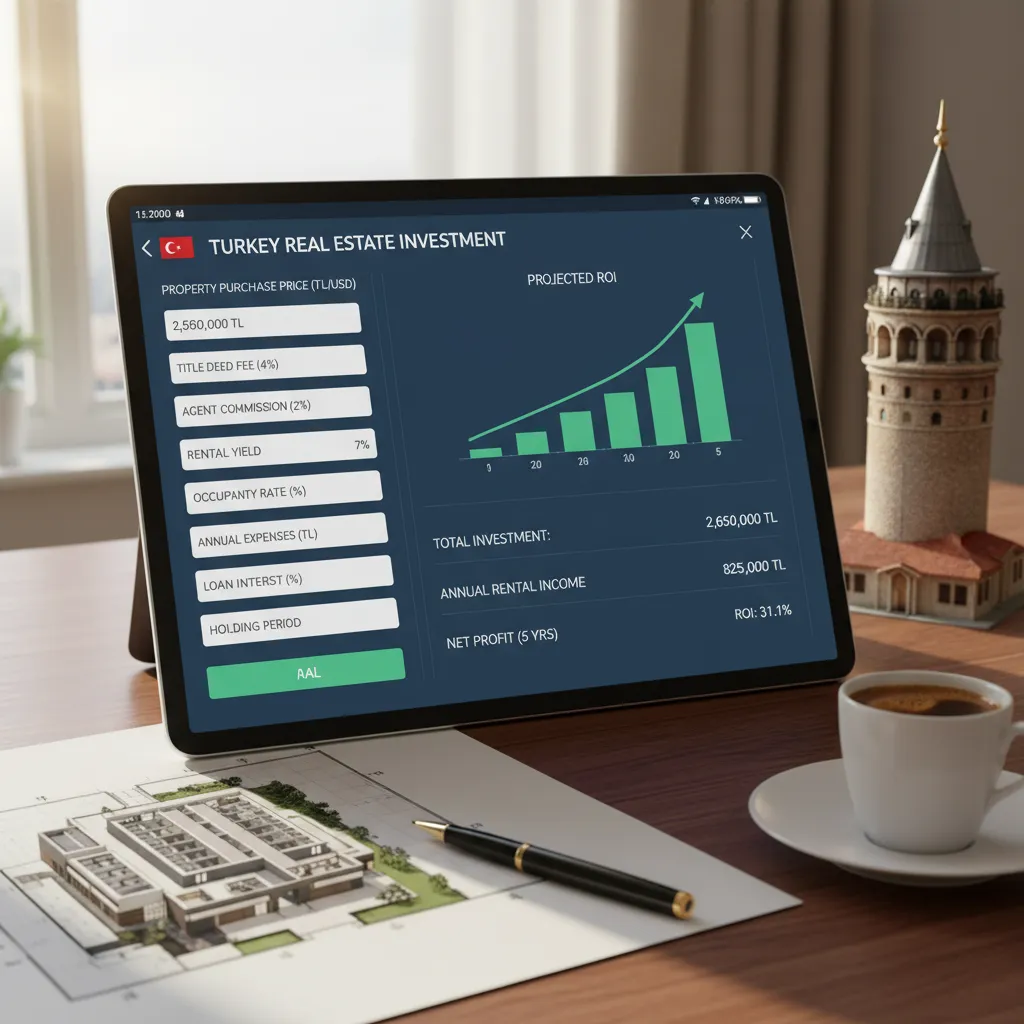
Get a free consultation now, and let us help you choose the right property.
Market Trends and Investment Opportunities
Regional Market Analysis
Turkey’s rental markets exhibit distinct regional characteristics influenced by economic development patterns, demographic trends, and infrastructure investments. Istanbul remains the largest rental market with diverse opportunities across residential, commercial, and mixed-use developments serving Turkey’s financial and business center.
Ankara’s rental market benefits from government employment and university populations creating stable demand for both residential and commercial properties. The city’s planned urban development projects and transportation infrastructure improvements support long-term rental market growth prospects.
Emerging Market Opportunities
- Coastal cities benefiting from tourism growth
- Industrial centers with expanding manufacturing sectors
- University towns with growing student populations
- Suburban areas with new residential developments
- Transportation hubs and logistics centers
- Technology corridors and innovation districts
Demographic and Economic Drivers
Turkey’s young population and urbanization trends create sustained demand for rental properties, particularly in major metropolitan areas. Economic growth, foreign investment, and tourism expansion contribute to rental market stability while supporting property value appreciation over time.
The growing expatriate community in Turkey, including retirees, digital nomads, and international business professionals, creates demand for quality rental properties with modern amenities and professional management services.
Future Market Projections
Industry analysts project continued growth in Turkey’s rental markets driven by urbanization, tourism expansion, and economic development initiatives. Government infrastructure investments, including new transportation networks and urban renewal projects, are expected to create new rental market opportunities throughout the country.
Climate change considerations and sustainability requirements are influencing rental property development and management practices, with increasing demand for energy-efficient properties and environmentally responsible building operations.
Choosing Professional Property Management Services
Evaluation Criteria for Management Companies
Selecting appropriate property management services requires careful evaluation of company experience, service offerings, fee structures, and local market knowledge. Established management companies with proven track records in specific property types and geographic markets typically provide superior results for property investors.
Professional credentials, insurance coverage, and technology capabilities are essential factors when evaluating property management providers. Companies should demonstrate compliance with Turkish regulations while offering transparent reporting and communication systems for property owners.
Key Selection Factors
- Years of experience in Turkish property management
- Portfolio size and property type specialization
- Fee structure transparency and competitiveness
- Technology platforms and reporting capabilities
- Professional certifications and industry memberships
- Client references and performance track records
- Local market knowledge and network relationships
- Emergency response and maintenance capabilities
Service Level Agreements
Comprehensive service level agreements establish clear expectations for property management performance including response times for maintenance requests, tenant communication protocols, financial reporting schedules, and performance metrics for occupancy rates and rental collection efficiency.
Property management contracts should specify termination procedures, fee structures, and service scope while providing flexibility for changing property management needs as market conditions and investment objectives evolve over time.
Legal Compliance and Risk Management
Regulatory Compliance Framework
Property management operations in Turkey must comply with multiple regulatory frameworks including building codes, fire safety regulations, environmental standards, and consumer protection laws. Professional management companies maintain current knowledge of regulatory changes while implementing compliance monitoring systems.
Regular property inspections, maintenance documentation, and safety system testing are required to maintain compliance with Turkish building regulations. Property managers coordinate with certified contractors and inspectors to ensure ongoing regulatory compliance throughout rental property operations.
Insurance and Risk Mitigation
Comprehensive insurance coverage protects property owners against various risks including property damage, liability claims, rental income loss, and natural disasters. Professional property managers coordinate insurance procurement while handling claims processing and risk mitigation strategies.
Essential Insurance Coverage
- Property damage and casualty insurance
- General liability and professional indemnity coverage
- Rental income protection insurance
- Natural disaster and earthquake coverage
- Tenant default and eviction cost insurance
- Equipment breakdown and system failure coverage
Technology and Innovation in Property Management
Digital Property Management Platforms
Modern property management increasingly relies on integrated technology platforms that streamline operations while improving tenant experiences and property owner communication. These systems provide real-time access to financial reports, maintenance tracking, and performance analytics that enhance decision-making capabilities.
Cloud-based property management software enables remote monitoring and management of rental properties while providing secure data storage and backup systems that protect sensitive financial and tenant information.
Smart Building Technologies
Smart building systems integration enhances property management efficiency while reducing operating costs through automated energy management, security monitoring, and maintenance scheduling. These technologies appeal to modern tenants while providing competitive advantages in rental markets.
Technology Applications
- Automated rent collection and payment processing
- Digital tenant screening and application systems
- Online maintenance request and tracking platforms
- Energy monitoring and optimization systems
- Security and access control integration
- Predictive maintenance and asset management
- Virtual property tours and marketing tools
Conclusion
Property management and rental operations in Turkey present compelling opportunities for investors seeking diversified real estate portfolios and steady income streams. The country’s strategic location, growing economy, and attractive investment incentives create favorable conditions for rental property investment across residential, commercial, and vacation rental sectors.
Success in Turkey’s rental markets requires comprehensive understanding of local regulations, market dynamics, and cultural factors that influence tenant preferences and property management practices. Professional property management services provide essential expertise while ensuring compliance with Turkish laws and maximizing investment returns through strategic asset management.
As Turkey continues developing its real estate infrastructure and regulatory frameworks, property management and rental markets are expected to become increasingly sophisticated and attractive to international investors. Early positioning in these markets, combined with professional management expertise, can provide significant advantages for long-term investment success in Turkey’s dynamic real estate sector.
The integration of technology, sustainable practices, and professional service standards will continue shaping Turkey’s property management industry, creating opportunities for innovative approaches that enhance tenant satisfaction while optimizing property owner returns in this rapidly evolving market environment.
Frequently Asked Questions (FAQ)
What are the main legal requirements for rental agreements in Turkey?
How are rent increases regulated in Turkey?
What are the eviction procedures for landlords in Turkey?
What types of properties are available in Turkey's rental market?
How does the Turkish Land Registry system benefit property investors?