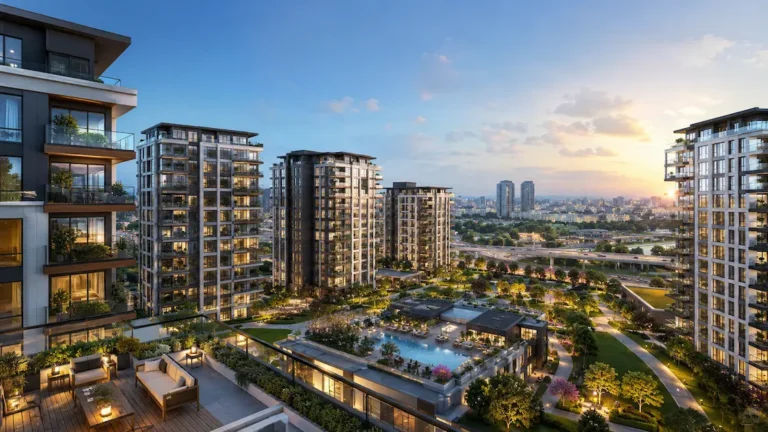
Introduction to Turkey’s Land Investment Market
Turkey’s dynamic real estate market has emerged as one of Europe’s most attractive investment destinations, offering exceptional opportunities for land acquisition and development. With its strategic location bridging Europe and Asia, robust economic growth, and favorable investment policies, Turkey presents compelling advantages for international investors seeking prime land for sale.
The Turkish land market has experienced significant transformation over the past decade, driven by government initiatives to attract foreign investment, major infrastructure projects, and the country’s growing appeal as a residential and commercial hub. From coastal Mediterranean plots to urban development sites in major cities, Turkey offers diverse land investment opportunities suitable for various investment strategies and budgets.
This comprehensive guide explores every aspect of purchasing land in Turkey, from legal frameworks and investment benefits to regional market analysis and practical acquisition procedures. Whether you’re considering residential development, commercial projects, or agricultural ventures, understanding Turkey’s land market dynamics is essential for making informed investment decisions.
Legal Framework for Foreign Land Ownership in Turkey
Foreign Ownership Rights and Restrictions
Turkey’s legal framework governing foreign land ownership has evolved significantly to encourage international investment while maintaining national security interests. The Turkish Constitution and relevant legislation establish clear guidelines for foreign nationals and entities seeking to acquire land within Turkish borders.
Foreign individuals and companies can purchase land in Turkey subject to specific conditions and limitations. The reciprocity principle applies, meaning citizens of countries that allow Turkish citizens to own property enjoy similar rights in Turkey. Additionally, certain strategic areas, including military zones and border regions, remain restricted for foreign ownership.
Key Legal Requirements
- Maximum land ownership of 30 hectares per foreign individual
- Foreign-owned land cannot exceed 10% of a district’s total area
- Military permission required for properties near sensitive installations
- Compliance with zoning regulations and development plans
- Proper documentation and title deed registration
Documentation and Registration Process
The land acquisition process in Turkey involves comprehensive documentation and official registration through the Land Registry Office (Tapu Müdürlüğü). This systematic approach ensures legal compliance and protects investor rights while maintaining accurate property records.
Essential documents include valid passport identification, tax identification number (vergi numarası), property valuation report, and various certificates confirming the land’s legal status. The registration process typically requires personal attendance or authorized representation, with all documents requiring official translation into Turkish.

Get a free consultation now, and let us help you choose the right property.
Investment Benefits and Opportunities
Economic Advantages of Land Investment
Turkey’s land market offers compelling economic advantages that attract international investors seeking portfolio diversification and capital appreciation. The country’s strategic economic position, growing population, and expanding infrastructure create favorable conditions for long-term land value appreciation.
Historical data demonstrates consistent land value growth across major Turkish regions, with coastal areas and urban centers showing particularly strong performance. The Turkish lira’s exchange rate dynamics can provide additional advantages for foreign currency holders, creating opportunities for favorable acquisition terms.
Key Investment Benefits
- Potential for significant capital appreciation
- Rental income opportunities through development
- Portfolio diversification across emerging markets
- Access to Turkey’s growing tourism sector
- Strategic location for European and Asian markets
Citizenship by Investment Programs
Turkey’s citizenship by investment program represents one of the most attractive pathways to Turkish citizenship for qualified investors. The program includes provisions for land and property investments that meet specific threshold requirements, offering investors both financial returns and citizenship benefits.
The minimum investment threshold for citizenship through real estate, including land, is currently set at $400,000, with the requirement to maintain ownership for at least three years. This program provides access to Turkish citizenship benefits, including visa-free travel to numerous countries and business opportunities within Turkey and the European Union.
Prime Locations for Land Investment
Istanbul Metropolitan Area
Istanbul remains Turkey’s premier investment destination, offering diverse land opportunities from urban redevelopment sites to suburban expansion areas. The city’s status as Turkey’s economic hub, combined with ongoing mega-projects like the Istanbul Canal and new airport infrastructure, creates substantial demand for developable land.
Key districts for land investment include Beylikdüzü, Başakşehir, and Arnavutköy, where major urban transformation projects are driving land values upward. These areas benefit from improved transportation links, planned residential developments, and commercial zone designations that enhance long-term investment potential.
Istanbul Investment Highlights
- Proximity to major transportation hubs
- Urban renewal and transformation projects
- Strong rental demand from growing population
- Commercial development opportunities
- International business center advantages
Mediterranean Coastal Regions
Turkey’s Mediterranean coastline, particularly the Antalya and Mersin provinces, offers exceptional opportunities for tourism-related land development. These regions benefit from year-round favorable climate, established tourism infrastructure, and growing international visitor numbers that support hospitality and residential development projects.
Coastal land parcels suitable for resort development, vacation homes, or mixed-use projects command premium prices but offer corresponding returns through tourism revenue and rental income. Areas like Kaş, Kalkan, and Side represent mature markets with proven track records, while emerging destinations offer ground-floor investment opportunities.
Aegean Coast Investment Zones
The Aegean region, encompassing İzmir, Bodrum, and Çeşme, combines tourism appeal with agricultural potential, creating diverse land investment opportunities. This region’s proximity to Greek islands, established expat communities, and luxury tourism market make it particularly attractive for international investors.
Bodrum Peninsula stands out as a premium destination where land values have shown consistent appreciation, driven by luxury resort development and high-net-worth individual interest. The region’s combination of natural beauty, cultural heritage, and modern amenities supports both residential and commercial land development projects.
Types of Land Available for Purchase
Residential Development Land
Residential development land represents the largest segment of Turkey’s land market, offering opportunities for single-family housing, apartment complexes, and mixed-use developments. These properties are typically located in areas designated for residential use according to municipal zoning plans, with established utility access and development rights.
Urban residential land commands higher prices but offers greater development potential and faster project completion timelines. Suburban and rural residential land provides more affordable entry points while requiring additional infrastructure investment and longer development horizons.
Residential Land Categories
- Urban infill and redevelopment sites
- Suburban expansion areas
- Gated community development land
- Vacation home development plots
- Mixed-use residential and commercial zones
Commercial and Industrial Land
Commercial and industrial land opportunities in Turkey cater to businesses seeking manufacturing, logistics, retail, or service sector facilities. These properties are typically located in designated commercial zones or industrial parks with appropriate infrastructure and regulatory approvals for business operations.
Strategic locations near airports, ports, and major highways command premium prices but offer superior logistics advantages and market access. Industrial zones often provide tax incentives and streamlined permitting processes that enhance investment attractiveness for manufacturing and distribution operations.
Agricultural and Rural Land
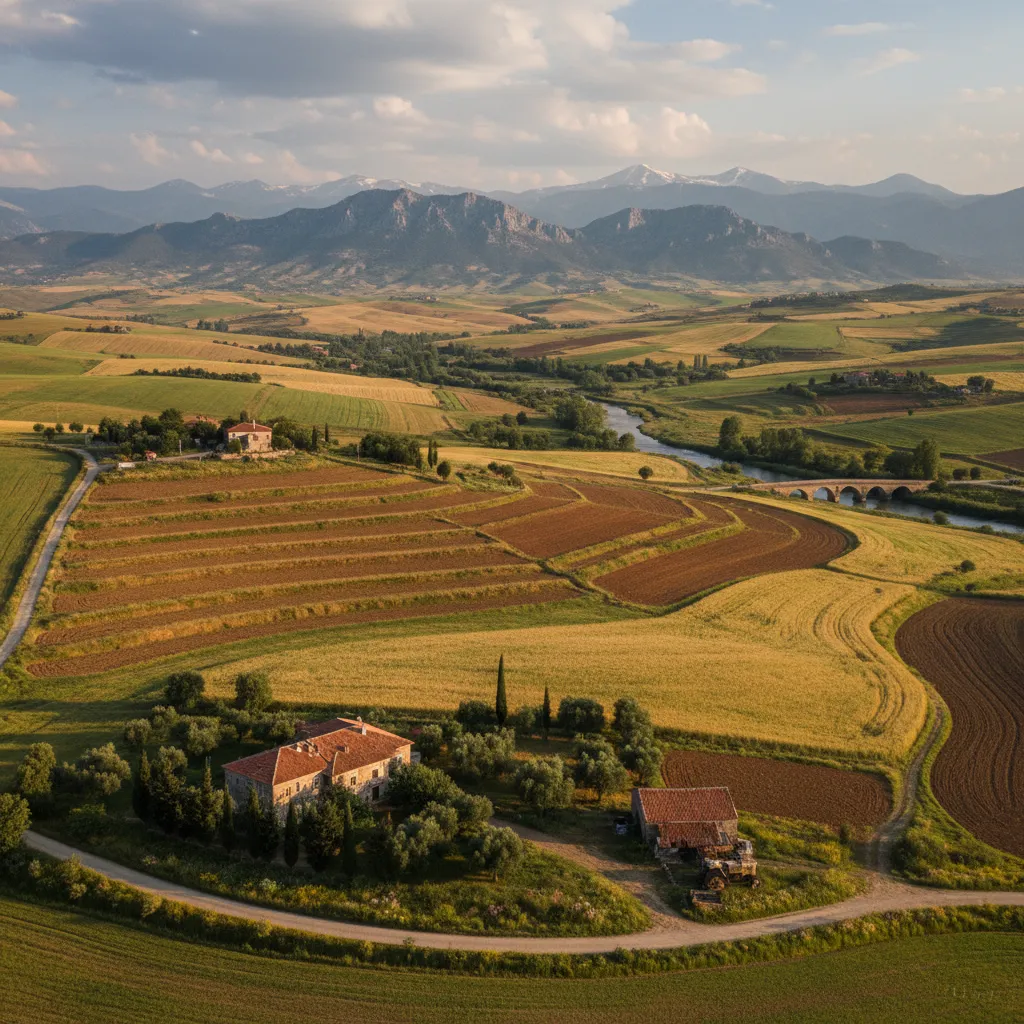
Turkey’s diverse climate and fertile soil create excellent opportunities for agricultural land investment, from Mediterranean citrus groves to Central Anatolian grain fields. Agricultural land typically offers lower acquisition costs but requires specialized knowledge of farming practices, water rights, and agricultural regulations.
Rural land investments can include olive groves, vineyards, livestock operations, and organic farming ventures that benefit from Turkey’s growing agricultural export market. These investments often provide steady income streams while offering potential for agritourism development and value-added agricultural processing.
Get a free consultation now, and let us help you choose the right property.
Market Analysis and Pricing Trends
Current Market Conditions
Turkey’s land market in 2024 reflects a complex interplay of economic factors, including inflation dynamics, currency fluctuations, and government policy initiatives. Despite global economic uncertainties, Turkey’s land market has demonstrated resilience, with prime locations maintaining value appreciation trends and emerging areas showing strong growth potential.
Regional variations in land prices reflect local economic conditions, development pressure, and infrastructure investment. Coastal areas and major urban centers typically command higher prices per square meter, while rural and developing regions offer more affordable entry points with corresponding growth potential.
Price Ranges by Region
Land prices in Turkey vary significantly based on location, zoning designation, and development potential. Understanding regional pricing dynamics is essential for identifying investment opportunities that align with budget constraints and return expectations.
Typical Price Ranges (per square meter)
- Istanbul prime areas: $200-$800
- Mediterranean coastal: $100-$400
- Aegean coastal: $150-$500
- Ankara urban areas: $80-$300
- Rural agricultural land: $5-$50
- Industrial zones: $30-$150
Future Market Projections
Market analysts project continued growth in Turkey’s land values, driven by urbanization trends, infrastructure development, and foreign investment inflows. Government initiatives promoting affordable housing, industrial development, and tourism expansion are expected to create sustained demand for developable land across multiple sectors.
Long-term demographic trends, including population growth and urban migration, support positive land market fundamentals. Additionally, Turkey’s strategic position in global supply chains and its role as a regional hub for business and tourism create ongoing demand for commercial and mixed-use development land.
Due Diligence and Property Research
Title and Ownership Verification
Comprehensive due diligence is essential for successful land acquisition in Turkey, beginning with thorough title and ownership verification. This process involves examining historical ownership records, confirming clear title status, and identifying any encumbrances or legal restrictions that might affect the property.
Professional legal assistance is strongly recommended for title verification, as Turkish property law includes specific provisions regarding inheritance, joint ownership, and historical claims that require expert interpretation. Title insurance, while not mandatory, provides additional protection for significant investments.
Essential Due Diligence Steps
- Title deed examination and verification
- Zoning and development rights confirmation
- Environmental impact assessment
- Utility access and infrastructure evaluation
- Legal restriction and easement review
- Market value appraisal and comparison
Zoning and Development Rights
Understanding zoning regulations and development rights is crucial for land investment success in Turkey. Municipal zoning plans determine permitted uses, building heights, density ratios, and setback requirements that directly impact development potential and property values.
Zoning classifications include residential, commercial, industrial, agricultural, and mixed-use designations, each with specific development parameters. Changes to zoning classifications can significantly affect land values, making it important to monitor municipal planning processes and proposed infrastructure projects.
Environmental and Geological Considerations
Environmental due diligence protects investors from potential liabilities and ensures compliance with Turkish environmental regulations. This includes soil contamination assessment, flood risk evaluation, and confirmation that the property meets environmental protection standards.
Geological surveys are particularly important in earthquake-prone regions of Turkey, ensuring that land is suitable for intended development and meets seismic safety requirements. Professional geological and environmental assessments provide essential information for development planning and risk management.
Financing Options for Land Purchase
Turkish Bank Financing
Turkish banks offer various financing options for land purchases, though terms and availability may differ for foreign investors compared to Turkish citizens. Major Turkish banks with international experience often provide more favorable terms and English-language service for foreign clients.
Typical financing terms include down payment requirements ranging from 30-50% of purchase price, with loan terms extending up to 10-15 years for land purchases. Interest rates vary based on market conditions, borrower qualifications, and loan terms, with both fixed and variable rate options available.
Banking Requirements
- Valid residency permit or work authorization
- Proof of income and financial capacity
- Turkish tax identification number
- Property appraisal and valuation report
- Comprehensive insurance coverage
International Financing Solutions
International financing options may provide alternative solutions for foreign investors, including offshore banking arrangements, international mortgage products, and private lending solutions. These options often require higher down payments but may offer more flexible terms for qualified borrowers.
Some international banks with Turkish operations provide specialized products for foreign property investors, combining local market knowledge with international banking standards. Private financing and developer financing arrangements may also be available for specific projects or investment opportunities.
Cash Purchase Advantages
Cash purchases offer significant advantages in Turkey’s land market, including faster transaction completion, stronger negotiating position, and elimination of financing costs and restrictions. Cash buyers often secure better purchase prices and can move quickly on attractive opportunities.
Currency exchange considerations are important for international cash buyers, with timing and exchange rate management potentially affecting overall investment costs. Professional currency exchange services and hedging strategies can help optimize cash purchase transactions.
Development and Construction Considerations
Building Permits and Approvals
Development projects in Turkey require comprehensive permitting and approval processes that vary based on project scope, location, and intended use. Understanding these requirements is essential for accurate project planning and timeline estimation.
The permitting process typically involves architectural plans, engineering studies, environmental assessments, and municipal approvals. Professional assistance from local architects, engineers, and legal experts ensures compliance with all regulatory requirements and helps avoid costly delays.
Required Permits and Approvals
- Construction permit (yapı ruhsatı)
- Environmental impact assessment
- Fire safety and emergency access approval
- Utility connection permits
- Occupancy permit upon completion
Construction Costs and Timelines
Construction costs in Turkey vary significantly based on location, quality standards, and project complexity. Understanding local construction markets, material costs, and labor availability is essential for accurate project budgeting and financial planning.
Typical construction costs range from $300-$800 per square meter for residential projects, with luxury developments and commercial projects commanding higher rates. Timeline considerations include permitting phases, weather conditions, and local construction industry capacity.
Professional Service Providers
Successful land development projects require coordination among various professional service providers, including architects, engineers, contractors, and legal advisors. Selecting experienced professionals with local market knowledge and international project experience is crucial for project success.
Professional service networks often provide integrated solutions that streamline project management and ensure quality outcomes. Long-term relationships with reliable service providers facilitate future projects and provide ongoing support for property management and maintenance.
Tax Implications and Considerations
Property Acquisition Taxes
Land purchases in Turkey are subject to various taxes and fees that must be factored into investment calculations. The primary acquisition tax is the title deed fee (tapu harcı), calculated as a percentage of the property’s declared value or market value, whichever is higher.
Additional costs include legal fees, translation services, property valuation fees, and various administrative charges. Understanding the complete cost structure ensures accurate budget planning and prevents unexpected expenses during the acquisition process.
Typical Acquisition Costs
- Title deed fee: 4% of property value
- Legal and professional fees: 1-2% of purchase price
- Translation and documentation: $500-$2,000
- Property valuation: $200-$1,000
- Various administrative fees: $200-$500
Ongoing Property Taxes
Property ownership in Turkey involves annual property taxes based on municipal assessments and property characteristics. These taxes are generally modest compared to many international markets but vary based on location and property type.
Additional ongoing costs may include municipal services fees, environmental taxes, and special assessments for infrastructure improvements. Property management and maintenance costs should also be considered for long-term investment planning.
Capital Gains and Income Tax
Capital gains from land sales in Turkey are subject to taxation based on ownership duration and taxpayer status. Turkish residents and non-residents face different tax obligations, with various exemptions and reduced rates available under specific circumstances.
Professional tax advice is essential for optimizing tax efficiency and ensuring compliance with Turkish tax regulations. International tax treaties may provide benefits for investors from specific countries, requiring specialized knowledge for proper implementation.
Risk Management and Investment Protection
Legal Risk Mitigation
Effective risk management begins with comprehensive legal due diligence and professional legal representation throughout the acquisition process. Understanding potential legal risks and implementing appropriate protection measures safeguards investment capital and ensures compliance with Turkish law.
Common legal risks include title disputes, zoning changes, environmental liabilities, and regulatory compliance issues. Professional legal counsel provides essential protection through proper contract negotiation, title insurance recommendations, and ongoing legal compliance monitoring.
Market Risk Considerations
Land investments in Turkey are subject to various market risks, including economic volatility, currency fluctuations, and changes in government policy. Understanding these risks and implementing appropriate mitigation strategies protects investment returns and provides downside protection.
Diversification across regions, property types, and investment timelines can reduce concentration risk and provide more stable returns. Professional market analysis and ongoing monitoring help identify emerging risks and opportunities for portfolio optimization.
Key Risk Factors
- Economic and political stability
- Currency exchange rate volatility
- Regulatory and zoning changes
- Natural disaster and environmental risks
- Market liquidity and exit timing
Insurance and Protection Strategies
Comprehensive insurance coverage protects land investments from various risks, including natural disasters, environmental liabilities, and construction-related issues. Turkish insurance markets offer various products designed for property investors and developers.
Title insurance, while not commonly used in Turkey, may be available through international providers for significant investments. Professional insurance consultation ensures appropriate coverage levels and helps identify potential gaps in protection.
Working with Real Estate Professionals
Selecting Qualified Agents and Advisors
Professional real estate representation is essential for successful land acquisition in Turkey, providing market knowledge, negotiation expertise, and transaction management services. Selecting qualified professionals with relevant experience and proper licensing ensures effective representation and protection of investor interests.
Qualified real estate professionals should possess proper licensing, local market expertise, language capabilities, and experience with international clients. Professional credentials, client references, and track record verification help identify suitable representation for specific investment requirements.
Legal and Financial Advisory Services
Comprehensive advisory services encompass legal, financial, tax, and technical expertise necessary for successful land investment projects. Coordinated advisory teams provide integrated solutions that address all aspects of land acquisition and development.
International advisory firms with Turkish market presence often provide the most comprehensive services for foreign investors, combining global expertise with local market knowledge. Long-term advisory relationships facilitate ongoing investment management and future project development.
Essential Professional Services
- Licensed real estate agents and brokers
- Turkish qualified legal counsel
- International tax and financial advisors
- Licensed surveyors and engineers
- Professional property management services
Transaction Management and Coordination
Professional transaction management ensures smooth acquisition processes and helps avoid common pitfalls that can delay or complicate land purchases. Experienced professionals coordinate all aspects of the transaction, from initial due diligence through final closing and title transfer.
Effective transaction management includes timeline coordination, document preparation, regulatory compliance, and communication between all parties. Professional oversight reduces transaction risks and ensures that all requirements are met efficiently and cost-effectively.
Future Outlook and Investment Trends
Infrastructure Development Impact
Turkey’s ongoing infrastructure development programs significantly impact land values and investment opportunities across the country. Major projects including transportation networks, energy infrastructure, and urban development initiatives create substantial opportunities for strategic land investment.
The Istanbul Canal project, high-speed rail networks, and airport expansions represent transformational infrastructure investments that will influence land values for decades. Understanding these development patterns helps identify emerging investment opportunities and optimal timing for land acquisition.
Demographic and Economic Trends
Turkey’s demographic trends, including population growth, urbanization, and changing lifestyle preferences, create sustained demand for various types of land development. Understanding these long-term trends helps identify investment opportunities aligned with future market needs.
Economic diversification efforts, including technology sector growth, manufacturing expansion, and tourism development, create demand for specialized land uses and development opportunities. Regional economic development initiatives may provide additional incentives and opportunities for strategic investors.
Sustainability and Green Development
Growing emphasis on sustainable development and environmental protection influences land investment opportunities and development requirements in Turkey. Green building standards, renewable energy projects, and environmental conservation initiatives create new market segments and investment opportunities.
Sustainable development practices may provide competitive advantages and access to specialized financing options. Understanding environmental regulations and sustainability trends helps identify future-oriented investment opportunities that align with evolving market preferences.
Conclusion
Turkey’s land market presents exceptional opportunities for international investors seeking diversified real estate exposure in a strategically located, rapidly developing economy. The combination of favorable legal frameworks, diverse regional markets, and ongoing infrastructure development creates a compelling investment environment for various land acquisition strategies.
Success in Turkey’s land market requires comprehensive understanding of legal requirements, market dynamics, and regional characteristics. Professional guidance, thorough due diligence, and strategic planning are essential for maximizing investment returns while managing associated risks effectively.
The evolving Turkish economy, supported by government initiatives to attract foreign investment and major infrastructure projects, provides a foundation for sustained land value appreciation. Investors who approach the Turkish land market with proper preparation, professional support, and long-term perspective are well-positioned to benefit from this dynamic and growing market.
Whether pursuing residential development, commercial projects, agricultural ventures, or mixed-use developments, Turkey’s diverse land market offers opportunities suitable for various investment objectives and risk profiles. The key to success lies in thorough market research, professional representation, and strategic timing aligned with Turkey’s ongoing economic development trajectory.
Frequently Asked Questions (FAQ)
Can foreigners buy land in Turkey and are there any restrictions?
What documents are required to purchase land in Turkey?
What are the main investment benefits of buying land in Turkey?
Which areas in Turkey offer the best land investment opportunities?
What legal permissions are needed when buying land near sensitive areas?