Introduction to Istanbul’s Real Estate Market
Istanbul’s real estate market stands as one of the most dynamic and promising investment destinations in Europe and Asia. As Turkey’s largest city and economic powerhouse, Istanbul attracts millions of investors worldwide seeking profitable real estate opportunities. The city’s strategic location bridging two continents, combined with its rich cultural heritage and modern infrastructure, creates a unique environment for property investment.
The Istanbul real estate market has experienced significant transformations over the past decade, with prices fluctuating due to various economic and political factors. Understanding these price dynamics is crucial for both domestic and international investors looking to capitalize on the city’s growth potential. From luxury waterfront properties along the Bosphorus to affordable residential units in emerging districts, Istanbul offers diverse investment opportunities across different price ranges.
Current market conditions in 2024 present both challenges and opportunities for real estate investors. While global economic uncertainties have influenced property prices, Istanbul’s fundamental strengths continue to drive long-term growth prospects. The city’s ongoing urban transformation projects, infrastructure developments, and strategic importance in regional trade routes contribute to sustained demand for quality real estate.
Current Real Estate Price Overview in Istanbul
Average Property Prices by Type
Real estate prices in Istanbul vary significantly based on property type, location, and quality. As of 2024, residential properties dominate the market, with apartments representing the largest segment of transactions. The average price per square meter for residential properties ranges from $800 to $3,500, depending on the district and property specifications.
Luxury apartments in prime locations such as Bebek, Etiler, and Nisantasi command premium prices, often exceeding $4,000 per square meter. These high-end properties typically feature modern amenities, panoramic views, and proximity to upscale shopping and dining establishments. Mid-range apartments in established neighborhoods like Kadikoy, Uskudar, and Sisli average between $1,500 to $2,500 per square meter.
Entry-level properties in developing districts such as Esenyurt, Beylikduzu, and Avcilar offer more affordable options, with prices ranging from $800 to $1,400 per square meter. These areas attract first-time buyers and investors seeking rental income opportunities due to their growing infrastructure and transportation connections.
Commercial Real Estate Pricing
Commercial real estate in Istanbul presents diverse investment opportunities across office spaces, retail properties, and industrial facilities. Prime office locations in business districts like Levent, Maslak, and the emerging financial center in Atasehir command rental rates between $15 to $35 per square meter monthly.
Retail properties in high-traffic areas and shopping centers generate substantial rental income, with ground-floor commercial spaces in popular districts fetching $25 to $60 per square meter monthly. Industrial properties and warehouses in organized industrial zones offer attractive yields for investors focusing on logistics and manufacturing sectors.

Get a free consultation now, and let us help you choose the right property.
District-by-District Price Analysis
European Side Premium Districts
Besiktas and Surrounding Areas
Besiktas represents one of Istanbul’s most prestigious districts, combining historical significance with modern urban living. Real estate prices in Besiktas reflect its desirable location and excellent connectivity. Properties in central Besiktas average $2,800 to $4,200 per square meter, with waterfront apartments commanding premium prices exceeding $5,000 per square meter.
The district’s sub-neighborhoods each offer unique characteristics affecting property values. Ortakoy, famous for its mosque and Bosphorus views, features luxury apartments with prices ranging from $3,500 to $6,000 per square meter. Bebek, known for its upscale atmosphere and prestigious schools, maintains some of Istanbul’s highest property values, often exceeding $7,000 per square meter for premium locations.
Etiler and Ulus neighborhoods attract affluent buyers seeking modern amenities and proximity to business centers. Properties in these areas typically range from $3,000 to $5,500 per square meter, with newly constructed developments commanding higher prices due to contemporary designs and advanced building technologies.
Sisli and Business Districts
Sisli serves as a major commercial and residential hub, hosting numerous corporate headquarters and shopping centers. The district’s diverse property portfolio caters to various investor preferences and budgets. Average residential prices in Sisli range from $2,200 to $3,800 per square meter, depending on proximity to metro stations and commercial centers.
Mecidiyekoy and Gayrettepe sub-districts offer excellent investment opportunities due to their strategic locations and transportation infrastructure. Properties near metro connections typically command 15-20% premium over similar units in less accessible areas. The ongoing urban renewal projects in these neighborhoods are expected to drive future price appreciation.
Nisantasi, renowned for luxury shopping and cultural attractions, maintains premium property values ranging from $4,000 to $6,500 per square meter. The area’s historical buildings converted into luxury residences attract both local and international buyers seeking prestigious addresses in Istanbul’s fashion district.
Asian Side Growing Markets
Kadikoy and Coastal Areas
Kadikoy has emerged as a vibrant alternative to European side districts, offering cultural richness and relatively affordable property prices. The district’s diverse neighborhoods provide investment opportunities across different price segments, with average property values ranging from $1,800 to $3,200 per square meter.
Moda and Caddebostan neighborhoods along the coastline attract buyers seeking seaside living with urban conveniences. Properties with sea views in these areas command prices between $2,800 to $4,500 per square meter, while inland properties offer more affordable options starting from $1,600 per square meter.
The district’s excellent transportation connections, including ferry services and metro lines, contribute to steady demand and price stability. Cultural venues, restaurants, and educational institutions in Kadikoy create a dynamic environment that supports long-term property value appreciation.
Uskudar and Historical Districts
Uskudar combines historical charm with modern development, offering unique investment opportunities in restored Ottoman-era buildings and contemporary residential complexes. Property prices in Uskudar average $1,900 to $3,400 per square meter, with historical properties often commanding premium prices due to their architectural significance.
Waterfront areas like Salacak and Kuzguncuk feature properties with stunning Bosphorus and city views, attracting both residential buyers and tourism investors. These locations typically see prices ranging from $2,500 to $4,000 per square meter, depending on property condition and view quality.
The district’s ongoing restoration projects and infrastructure improvements contribute to growing investor interest and gradual price appreciation. Properties near transportation hubs and cultural sites show particular strength in maintaining and increasing their market values.
Emerging Investment Areas
Beylikduzu and Western Expansion
Beylikduzu represents one of Istanbul’s fastest-growing districts, attracting investors seeking affordable properties with strong growth potential. The area’s planned development and modern infrastructure create attractive investment opportunities with property prices ranging from $1,100 to $2,200 per square meter.
Large-scale residential projects in Beylikduzu offer contemporary amenities and competitive pricing, appealing to young families and first-time buyers. The district’s proximity to the new Istanbul Airport and planned transportation improvements position it for continued growth and price appreciation.
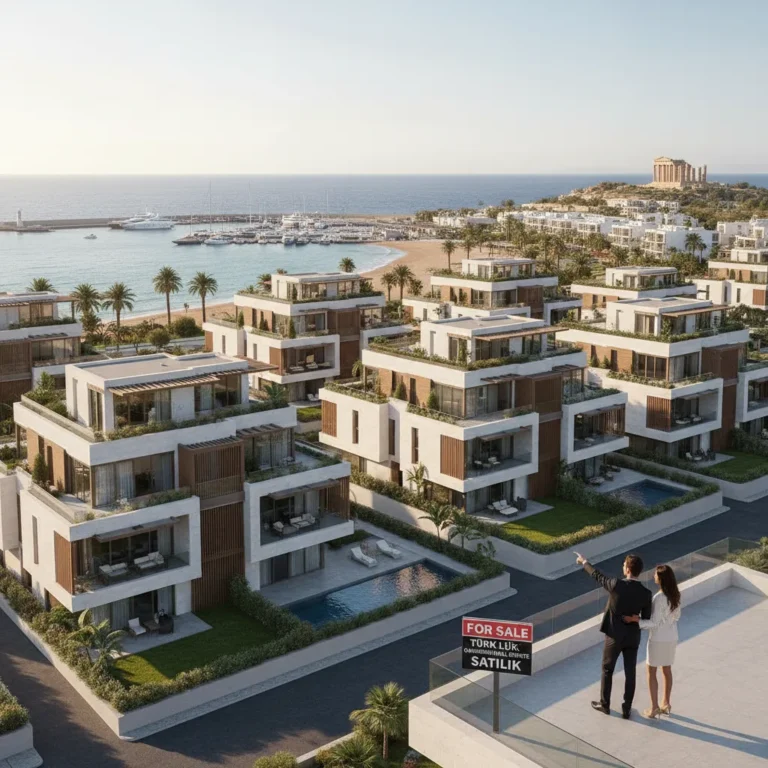
Marina and waterfront developments in Beylikduzu command higher prices, typically ranging from $1,800 to $2,800 per square meter. These properties offer lifestyle amenities and potential for tourism-related rental income, making them attractive to both domestic and international investors.
Basaksehir and Northern Development
Basaksehir has transformed from a suburban area into a major residential and commercial center, featuring modern infrastructure and planned urban development. Property prices in Basaksehir range from $1,200 to $2,400 per square meter, offering excellent value for investors seeking growth potential.
The district’s medical city, university campuses, and sports facilities create diverse demand drivers for real estate investment. Properties near these institutional developments typically command premium prices and demonstrate strong rental demand from students, medical professionals, and sports enthusiasts.
Government housing projects and private developments in Basaksehir provide options across different price ranges, making the district accessible to various investor profiles. The area’s continued expansion and infrastructure development support optimistic long-term price projections.
Get a free consultation now, and let us help you choose the right property.
Factors Influencing Real Estate Prices
Economic Indicators and Market Drivers
Currency Exchange Rates
Exchange rate fluctuations significantly impact Istanbul real estate prices, particularly for international investors. The Turkish Lira’s volatility against major currencies like the US Dollar and Euro creates both opportunities and risks for foreign property buyers. When the Lira weakens, international investors can purchase properties at relatively lower costs, driving increased foreign demand and supporting price stability in dollar terms.
Local buyers experience different market dynamics based on currency movements, as property prices often adjust to reflect exchange rate changes over time. Developers and sellers frequently price premium properties in foreign currencies or index prices to stable currencies to protect against devaluation risks.
The government’s monetary policies and central bank interventions influence currency stability and, consequently, real estate market confidence. Investors monitor these developments closely when making property investment decisions and timing their market entry or exit strategies.
Interest Rates and Financing Conditions
Interest rate policies directly affect real estate demand and pricing through their impact on mortgage availability and cost. Lower interest rates typically stimulate property demand by reducing borrowing costs, while higher rates can cool market activity and pressure prices downward.
Turkish banks’ lending policies and mortgage terms significantly influence buyer behavior and market dynamics. Changes in down payment requirements, loan-to-value ratios, and qualification criteria affect the pool of eligible buyers and overall market demand levels.
Foreign currency mortgages and financing options for international buyers create additional complexity in the market. Banks’ willingness to lend to foreign nationals and the terms offered impact international investment flows and pricing in different market segments.
Infrastructure and Transportation Development
Metro and Transportation Projects
Istanbul’s extensive transportation infrastructure development program significantly influences real estate prices across different districts. New metro lines, bus rapid transit systems, and improved road networks enhance property accessibility and desirability, typically resulting in price appreciation along transportation corridors.
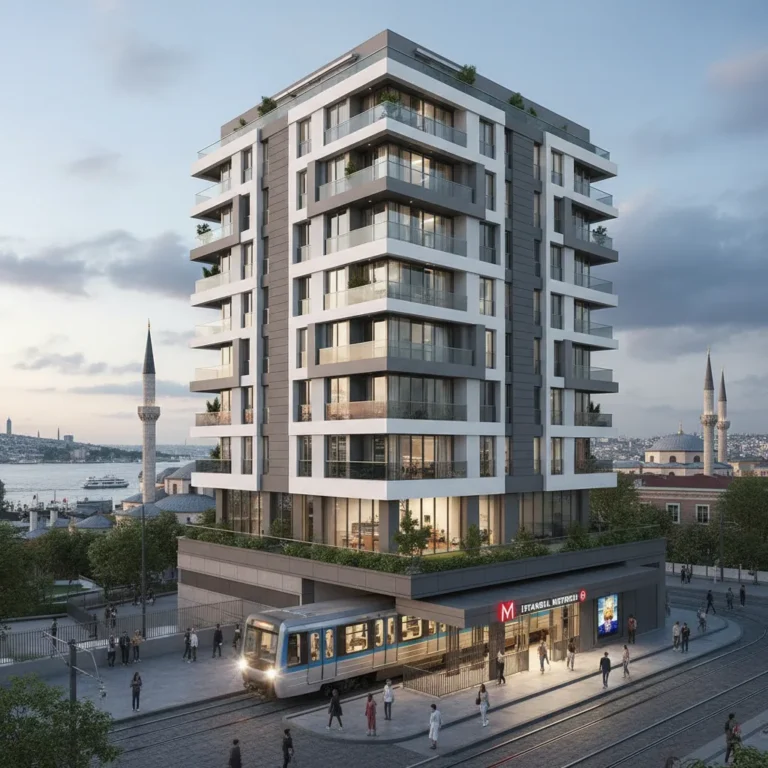
Properties within walking distance of metro stations command premium prices, often 20-30% higher than comparable properties without convenient public transportation access. The announcement and construction phases of new transportation projects create anticipation and gradual price increases in affected areas.
The integration of Asian and European sides through projects like the Marmaray tunnel and planned additional Bosphorus crossings reduces travel times and increases property market integration between different parts of the city. These connections make previously less accessible areas more attractive to investors and residents.
Airport and International Connectivity
Istanbul Airport’s operations and the closure of Ataturk Airport have reshaped real estate demand patterns across the city. Areas with improved airport connectivity experience increased interest from both residential buyers and commercial investors seeking to capitalize on enhanced accessibility.
Hotel and tourism-related property investments concentrate in areas with convenient airport access, driving demand and prices in these locations. The airport’s impact extends beyond immediate vicinity areas, influencing property values along major transportation routes connecting the city center to the airport.
International business travelers and expatriate residents often prioritize airport accessibility when choosing residential locations, creating sustained demand for properties in well-connected districts and supporting price stability in these areas.
Government Policies and Regulations
Citizenship by Investment Program
Turkey’s citizenship by investment program significantly influences Istanbul’s luxury real estate market by attracting international buyers seeking Turkish citizenship through property investment. The program requires minimum investment amounts that directly impact demand for properties in specific price ranges.
Changes to investment thresholds and program requirements create immediate market responses, with developers and sellers adjusting strategies to meet program criteria. Properties qualifying for citizenship investment often command premium prices due to additional value provided beyond real estate ownership.
The program’s popularity among different nationalities influences demand patterns in various districts, with certain areas becoming preferred destinations for citizenship investors based on community preferences and cultural factors.
Urban Transformation and Zoning Changes
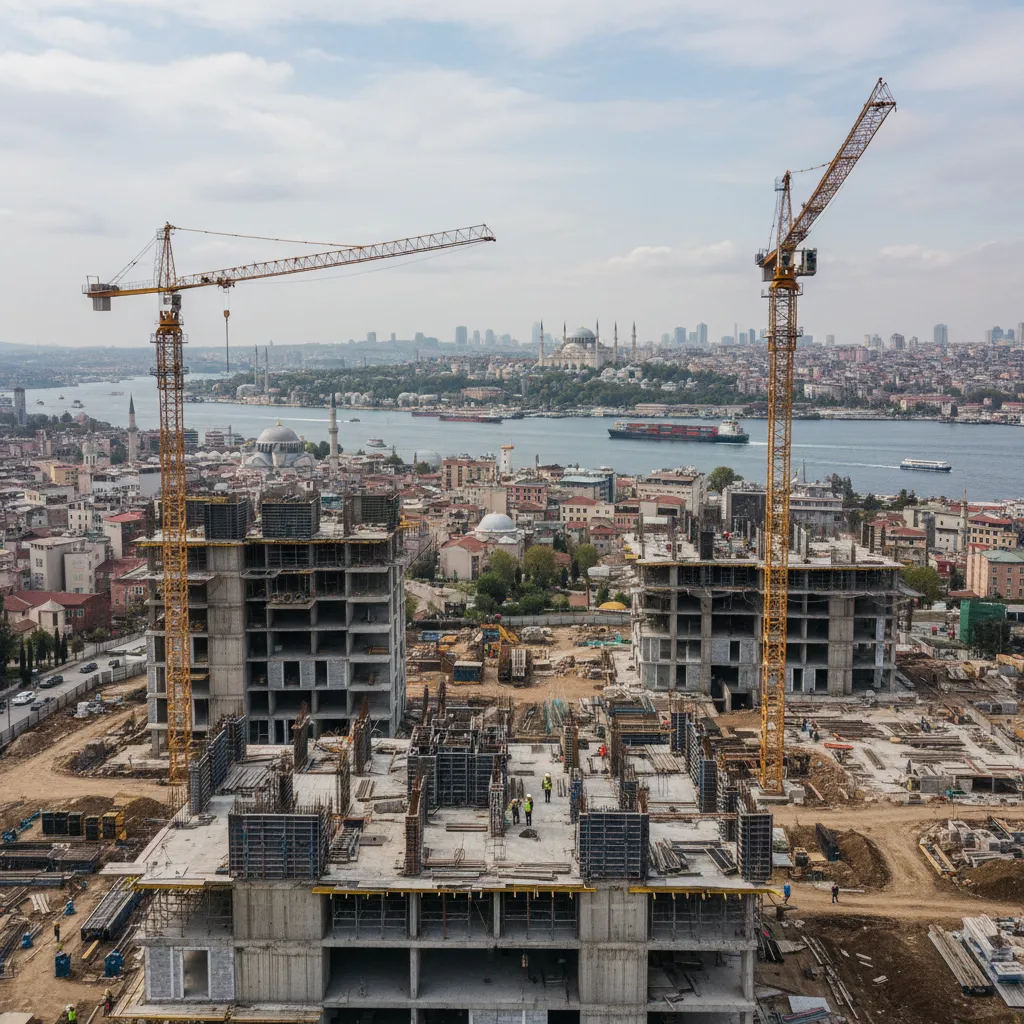
Government-led urban transformation projects significantly impact property values in affected areas. Announcements of renewal projects typically trigger price increases as investors anticipate improved infrastructure and higher development standards in transformed neighborhoods.
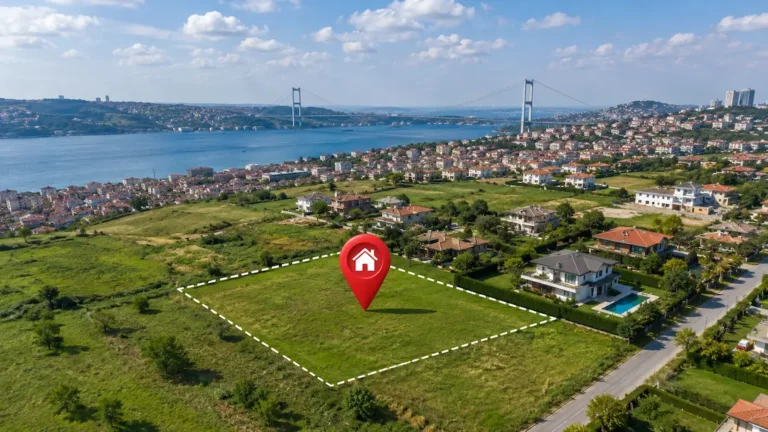
Zoning law changes and development rights modifications can dramatically alter property values, particularly for land and older buildings eligible for redevelopment. Investors closely monitor municipal planning decisions and zoning updates to identify investment opportunities and risks.
Building height restrictions, density regulations, and architectural requirements influence development costs and final property prices. Understanding these regulatory frameworks helps investors assess market potential and price trends in different areas.
Investment Opportunities and Market Segments
Residential Investment Properties
Rental Yield Analysis
Rental yields in Istanbul vary significantly across districts and property types, with investors achieving annual returns ranging from 4% to 8% depending on location and property management efficiency. Prime central locations typically offer lower yields due to higher purchase prices, while emerging areas provide higher yield potential with increased risk factors.
Short-term rental markets through platforms like Airbnb create additional income opportunities, particularly for properties in tourist-friendly locations near historical sites and business centers. These properties can achieve yields 2-3% higher than traditional long-term rentals but require more active management and face regulatory considerations.
Student housing represents a specialized rental market segment with steady demand due to Istanbul’s numerous universities and international student population. Properties near major campuses typically maintain high occupancy rates and provide stable rental income streams for investors.
Luxury Property Market
Istanbul’s luxury property market caters to high-net-worth individuals seeking premium residences with exceptional amenities and locations. Luxury properties typically start at $500,000 and can exceed $5 million for unique waterfront mansions or penthouse apartments with panoramic city views.
Bosphorus-front properties represent the pinnacle of Istanbul’s luxury market, with historical yalis (waterfront mansions) and modern developments commanding premium prices due to their irreplaceable locations and cultural significance. These properties often appreciate faster than standard residential units due to limited supply and strong international demand.
Luxury developments featuring concierge services, private beaches, helipads, and exclusive amenities attract ultra-high-net-worth buyers and provide developers with higher profit margins. These projects typically pre-sell to qualified buyers before construction completion, indicating strong market confidence in the luxury segment.
Commercial Real Estate Investment
Office Space Markets
Istanbul’s office market reflects the city’s role as Turkey’s business capital and a regional hub for international companies. Grade A office spaces in prime locations like Levent-Maslak corridor and emerging business districts command rental rates between $20-40 per square meter monthly, depending on building quality and amenities.
The shift toward flexible working arrangements and co-working spaces creates new investment opportunities in adaptable office properties. Buildings that can accommodate various tenant configurations and modern technology requirements maintain higher occupancy rates and rental premiums.
Government initiatives to establish new financial centers and business districts create opportunities for early investors in office properties. Areas designated for financial services development typically experience rapid value appreciation as infrastructure improves and tenant demand increases.
Retail and Commercial Spaces
Retail property investment in Istanbul ranges from street-level shops in busy neighborhoods to anchor spaces in major shopping centers. High-traffic commercial areas like Istiklal Street, Bagdat Avenue, and major shopping districts generate substantial rental income but require significant initial investment.
Neighborhood shopping centers and mixed-use developments provide more accessible entry points for retail property investment. These properties benefit from growing suburban populations and changing consumer shopping patterns that favor convenience and accessibility.
Restaurant and hospitality spaces represent specialized commercial investments with higher yields but increased operational complexity. Properties suitable for dining and entertainment venues in popular districts command premium rents due to strong tourist and local demand.
Market Trends and Future Projections
Technology and Smart Building Integration
PropTech Adoption
Technology integration in Istanbul’s real estate market accelerates through property technology (PropTech) adoption, influencing both property values and investment strategies. Smart building features, automated systems, and digital property management platforms become increasingly important factors in property pricing and marketability.
Buildings incorporating advanced technology systems typically command 10-15% premium pricing due to operational efficiency and tenant appeal. Features like smart climate control, security systems, and energy management attract quality tenants and support higher rental rates.
Virtual reality property tours, digital transaction platforms, and online property management systems reshape how properties are marketed, sold, and managed. Investors increasingly expect these technological capabilities when evaluating property investments and management companies.
Sustainability and Green Building Standards
Environmental sustainability becomes a crucial factor in property valuation and investment decisions. Buildings with green certifications, energy-efficient systems, and sustainable design features attract environmentally conscious tenants and buyers willing to pay premium prices.
Government incentives for green building development and energy efficiency improvements create additional value for properties meeting environmental standards. These incentives include tax benefits, expedited permitting, and utility rebates that improve investment returns.
Climate change considerations influence long-term property investment strategies, with investors increasingly evaluating properties’ resilience to environmental risks and their alignment with sustainability trends affecting future marketability.
Demographic Shifts and Housing Demand
Population Growth and Urbanization
Istanbul’s continued population growth drives sustained housing demand across all market segments. The city’s population exceeds 15 million residents, with ongoing migration from other Turkish regions and international immigration contributing to housing market pressure.
Young demographics and household formation trends influence demand for smaller, affordable housing units in well-connected areas. First-time buyers and young professionals seek properties offering good value and convenient access to employment centers and social amenities.
Aging population segments create demand for accessible housing with healthcare proximity and age-friendly features. This demographic shift opens new market niches for specialized housing developments and renovation projects targeting senior residents.
International Migration and Expatriate Communities
Istanbul’s growing international community influences rental markets and property demand patterns. Expatriate professionals, international students, and immigrant populations create steady demand for furnished rentals and properties in internationally-oriented neighborhoods.
Certain districts develop international character due to expatriate concentration, influencing local property values and rental rates. Areas popular with foreign residents often experience price premiums due to international demand and cultural amenities catering to diverse populations.
Corporate relocations and international business expansion in Istanbul generate demand for executive housing and serviced apartments. These specialized accommodation needs create investment opportunities in luxury rental properties and extended-stay facilities.
Buying Process and Legal Considerations
Foreign Ownership Regulations
Legal Framework for International Buyers
Foreign nationals can purchase real estate in Turkey subject to specific regulations and restrictions. Understanding these legal requirements is essential for international investors planning property acquisitions in Istanbul. Reciprocity agreements between Turkey and buyers’ home countries affect purchasing eligibility and processes.
Certain areas remain restricted for foreign ownership due to security or strategic considerations. Buyers must verify property eligibility for foreign ownership before proceeding with purchase agreements. Military zones, border areas, and some rural regions maintain restrictions on international property ownership.
Property size limitations apply to foreign buyers, with maximum ownership limits per individual and total foreign ownership percentages in specific areas. These restrictions aim to balance international investment attraction with national security and economic sovereignty concerns.
Documentation and Due Diligence Requirements
Property purchase documentation requires thorough verification to ensure clear title and legal compliance. Buyers must obtain official property reports, zoning confirmations, and building permits to verify legal status and development rights.
Title deed (tapu) verification represents the most critical aspect of property due diligence. Buyers should confirm ownership history, mortgage liens, and any legal encumbrances affecting the property. Professional legal assistance helps navigate complex documentation requirements and identify potential issues.
Tax obligations and ongoing compliance requirements affect total ownership costs and investment returns. Understanding property taxes, residence permit requirements, and reporting obligations helps buyers plan comprehensive investment strategies and avoid legal complications.
Financing Options and Investment Strategies
Mortgage and Loan Availability
Turkish banks offer mortgage financing to foreign buyers, though terms and availability vary based on nationality, income verification, and property type. International buyers typically access loans covering 50-70% of property value, requiring substantial down payments and meeting strict qualification criteria.
Foreign currency mortgages provide options for buyers earning income in stable currencies, though these loans carry exchange rate risks and typically feature higher interest rates than local currency loans. Buyers must carefully evaluate currency exposure and payment capacity under various exchange rate scenarios.
Alternative financing through developer payment plans, private lending, or international banking relationships may provide additional options for property acquisition. These alternatives often feature different terms and risk profiles compared to traditional bank mortgages.
Investment Structure and Tax Optimization
Property investment structure significantly impacts tax obligations and investment returns. Individual ownership, corporate structures, and trust arrangements each offer different advantages and compliance requirements for international investors.
Tax planning considerations include property acquisition taxes, annual property taxes, rental income taxation, and capital gains treatment upon sale. Professional tax advice helps optimize investment structures and minimize total tax burden while maintaining legal compliance.
Double taxation agreements between Turkey and investors’ home countries may provide relief from duplicate taxation on rental income and capital gains. Understanding these agreements helps investors structure investments efficiently and avoid unnecessary tax burdens.
Risk Assessment and Market Analysis
Market Volatility and Risk Factors
Political and Economic Stability
Political developments and economic policies significantly influence Istanbul’s real estate market stability and investor confidence. Changes in government policies, international relations, and economic management create market volatility that affects property values and investment returns.
Regional geopolitical situations and Turkey’s strategic position influence international investor sentiment and capital flows. Political stability and policy consistency support market confidence, while uncertainty can lead to investment delays and price volatility.
Economic indicators including inflation rates, employment levels, and GDP growth directly impact real estate demand and pricing power. Investors must monitor these factors and assess their potential impact on property investment performance and exit strategies.
Currency and Inflation Risks
Currency volatility represents a significant risk factor for international real estate investors in Istanbul. Turkish Lira fluctuations affect property values when measured in foreign currencies and impact rental income conversion for international investors.
Inflation affects both property prices and operational costs, influencing real investment returns and cash flow projections. High inflation periods may support property value appreciation but also increase maintenance costs and tenant affordability challenges.
Hedging strategies and currency protection mechanisms help investors manage exchange rate exposure and preserve investment value. These may include currency forwards, natural hedging through local currency income, or investment structure modifications.
Market Cycle Analysis
Historical Price Patterns
Istanbul’s real estate market demonstrates cyclical patterns influenced by economic cycles, political events, and global market conditions. Understanding these historical patterns helps investors identify market timing opportunities and avoid peak purchase periods.
Previous market cycles show recovery periods following economic or political disruptions, with property values typically rebounding as conditions stabilize. Patient investors who maintain positions through difficult periods often achieve superior long-term returns.
Seasonal variations in market activity affect pricing and negotiation dynamics. Spring and fall typically show higher activity levels, while summer and winter periods may offer better negotiation opportunities for buyers.
Future Market Projections
Long-term growth projections for Istanbul real estate remain positive based on fundamental demand drivers including population growth, economic development, and strategic location advantages. However, short-term volatility may continue due to various external factors.
Infrastructure development projects and urban transformation initiatives support optimistic medium-term price projections for well-located properties. Areas benefiting from transportation improvements and urban renewal typically outperform broader market averages.
International integration and Turkey’s EU accession prospects, though uncertain, could significantly impact property values if realized. Investors consider these potential catalysts when developing long-term investment strategies and portfolio allocation decisions.
Conclusion
Real estate prices in Istanbul reflect the city’s complex and dynamic market environment, influenced by diverse factors ranging from local economic conditions to international investment flows. The market offers opportunities across various price segments and property types, from affordable residential units in emerging districts to luxury properties in prestigious locations.
Successful real estate investment in Istanbul requires thorough market knowledge, careful risk assessment, and appropriate investment structure selection. International investors must navigate legal requirements, currency considerations, and market volatility while capitalizing on the city’s fundamental growth drivers and strategic advantages.
The outlook for Istanbul real estate remains cautiously optimistic, supported by ongoing urbanization, infrastructure development, and the city’s role as a regional hub. However, investors should maintain realistic expectations and develop comprehensive strategies addressing both opportunities and risks inherent in this dynamic market.
Professional guidance from local experts, legal advisors, and property management companies proves invaluable for navigating Istanbul’s real estate market successfully. With proper preparation and market understanding, investors can identify attractive opportunities and build profitable property portfolios in one of the world’s most historically significant and strategically important cities.