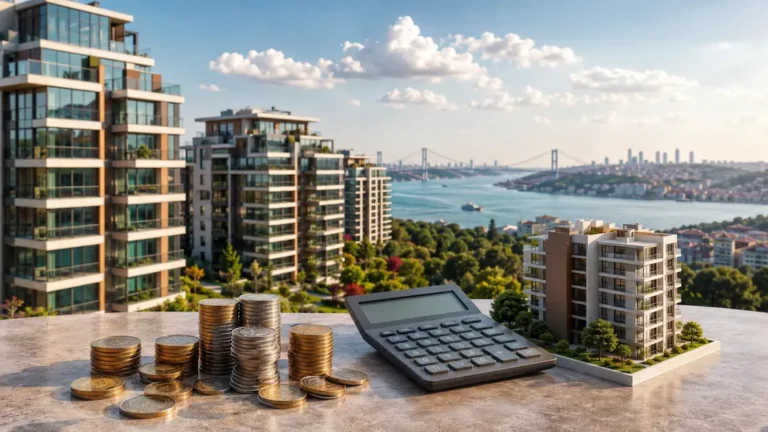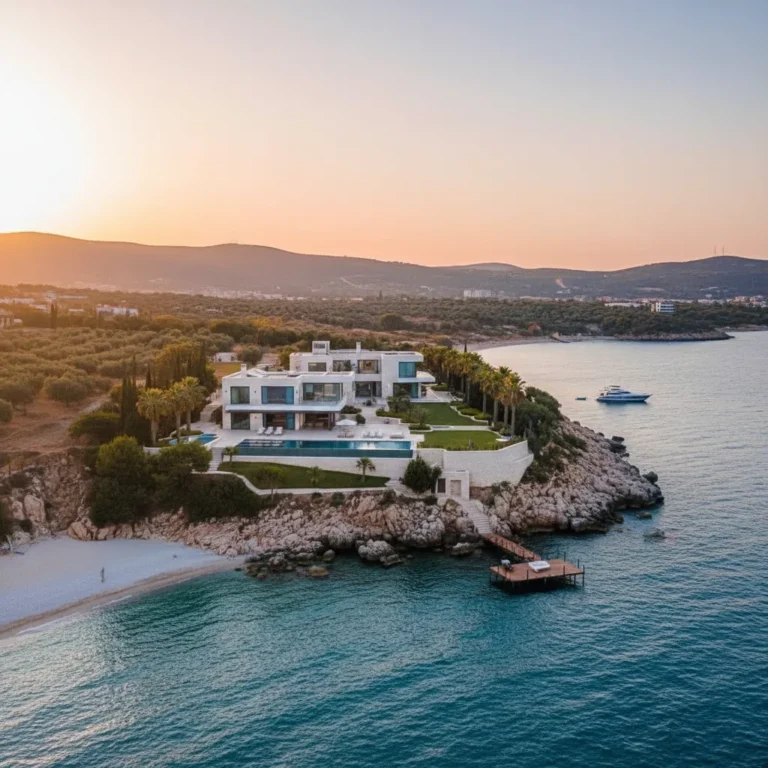
Introduction to Istanbul’s Real Estate Market
Istanbul stands as Turkey’s economic powerhouse and one of the world’s most dynamic real estate markets, attracting investors from across the globe. The city’s unique position bridging Europe and Asia, combined with its rich historical heritage and modern infrastructure developments, creates an unparalleled investment landscape. Real estate projects in Istanbul have evolved dramatically over the past decade, offering diverse opportunities from luxury residential complexes to commercial developments that cater to both local and international buyers.
The Turkish government’s strategic initiatives, including the citizenship by investment program and various residency options, have significantly boosted foreign investment in Istanbul’s property sector. With over 15 million residents and continuous urban development, Istanbul presents a compelling case for real estate investment, supported by robust economic growth and infrastructure improvements that enhance property values across the city.
Current Market Overview and Trends
Market Performance and Statistics
Istanbul’s real estate market has demonstrated remarkable resilience and growth potential, with property values showing consistent appreciation across various districts. The city accounts for approximately 40% of Turkey’s total real estate transactions, making it the undisputed leader in the country’s property market. Recent data indicates that foreign property purchases in Istanbul have increased by over 200% since the introduction of the citizenship by investment program, with investors from the Middle East, Europe, and North America leading the charge.
The average price per square meter varies significantly across districts, ranging from $800 in emerging areas to over $5,000 in premium locations like Bebek and Etiler. This price diversity ensures investment opportunities for various budget ranges, from first-time buyers to high-net-worth individuals seeking luxury properties. The rental yield in Istanbul typically ranges between 4-8%, depending on location and property type, making it attractive for buy-to-let investors.
Key Market Drivers
Several factors contribute to Istanbul’s robust real estate market performance. The city’s strategic location as a global business hub continues to attract multinational corporations, creating sustained demand for both residential and commercial properties. Infrastructure investments, including the new Istanbul Airport, the Istanbul Canal project, and extensive metro line expansions, significantly impact property values in surrounding areas.
The Turkish lira’s favorable exchange rates for foreign investors have created additional purchasing power, making Istanbul properties more accessible to international buyers. Government incentives, including reduced VAT rates for certain property types and streamlined bureaucratic processes, further enhance the market’s attractiveness for foreign investment.
Top Districts for Real Estate Investment
Beyoğlu and Şişli: Central Business Districts
Beyoğlu and Şişli represent Istanbul’s commercial heart, offering exceptional investment opportunities in both residential and commercial real estate projects. These districts feature a mix of historical buildings undergoing renovation and modern high-rise developments that cater to business professionals and expatriates. The area’s excellent transportation links, including multiple metro lines and bus networks, ensure strong rental demand and capital appreciation potential.
Recent projects in these districts include luxury mixed-use developments that combine residential units with retail and office spaces. Properties here typically command premium prices but offer strong rental yields due to high demand from business travelers and young professionals. The ongoing urban renewal projects in Beyoğlu are transforming historical neighborhoods into modern residential areas while preserving their cultural heritage.
Kadıköy and Üsküdar: Asian Side Opportunities
The Asian side of Istanbul, particularly Kadıköy and Üsküdar, has emerged as a hotspot for real estate investment due to its more affordable prices compared to European districts and significant development potential. These areas offer a perfect blend of traditional Istanbul lifestyle and modern amenities, attracting both local and international buyers seeking authentic Turkish living experiences.
Major infrastructure projects, including new metro connections and the Marmaray tunnel, have improved accessibility to these districts, driving property values upward. The areas feature numerous waterfront developments offering Bosphorus views at more accessible price points than similar properties on the European side. Family-friendly neighborhoods with excellent schools and healthcare facilities make these districts particularly attractive to long-term residents and investors targeting the rental market.
Başakşehir and Bahçeşehir: New Development Hubs
Başakşehir and Bahçeşehir represent Istanbul’s new development frontier, featuring large-scale residential projects designed as complete communities with integrated amenities. These districts attract families and young professionals seeking modern living environments with comprehensive facilities including shopping centers, schools, hospitals, and recreational areas.
The proximity to Istanbul Airport and major highway connections makes these areas increasingly popular among both residents and investors. Property prices remain relatively affordable compared to central districts, offering excellent entry points for first-time investors. The government’s focus on developing these areas as satellite cities ensures continued infrastructure investment and population growth, supporting long-term capital appreciation.
Types of Real Estate Projects Available
Luxury Residential Complexes
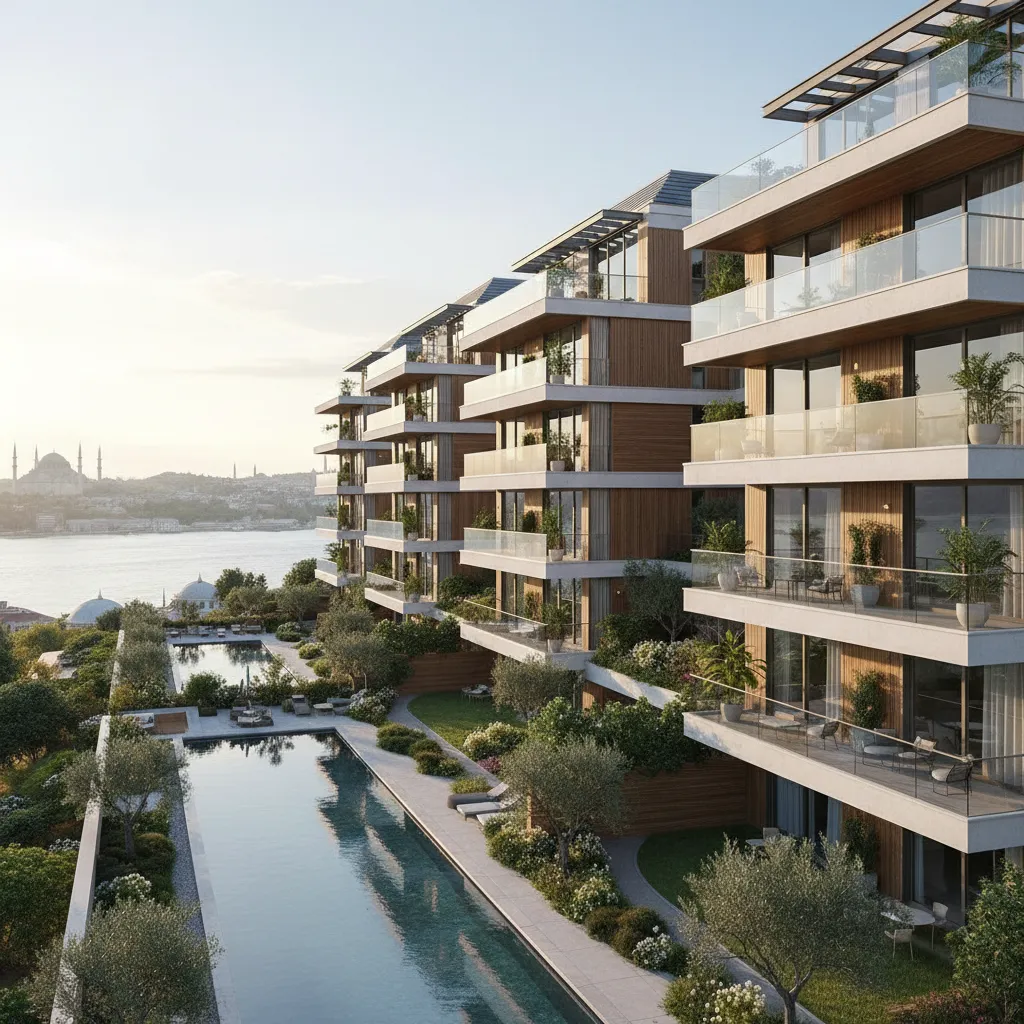
Istanbul’s luxury residential market features sophisticated projects that rival international standards, offering premium amenities and architectural excellence. These developments typically include features such as 24/7 security, concierge services, fitness centers, swimming pools, landscaped gardens, and smart home technologies. Many luxury projects are strategically located to offer stunning Bosphorus, Golden Horn, or city skyline views, commanding premium prices and strong rental demand.
Recent luxury developments incorporate sustainable building practices and energy-efficient systems, appealing to environmentally conscious buyers. These projects often feature collaboration with renowned international architects and designers, creating unique living experiences that justify their premium positioning. The target market includes high-net-worth individuals, diplomatic personnel, and executive-level expatriates working for multinational corporations.
Mixed-Use Developments
Mixed-use projects represent a growing trend in Istanbul’s real estate market, combining residential, commercial, and retail spaces within single developments. These projects create vibrant communities where residents can live, work, and shop without extensive travel, appealing to modern urban lifestyles. The integration of different property types provides investors with diversified income streams and reduced vacancy risks.
Successful mixed-use developments in Istanbul feature ground-floor retail spaces, office floors, and residential units in upper levels, maximizing land use efficiency and creating dynamic neighborhoods. These projects often include central courtyards, rooftop terraces, and community facilities that foster social interaction among residents and workers. The commercial components typically include restaurants, cafes, fitness centers, and convenience stores that serve both residents and the surrounding community.
Waterfront and Marina Projects
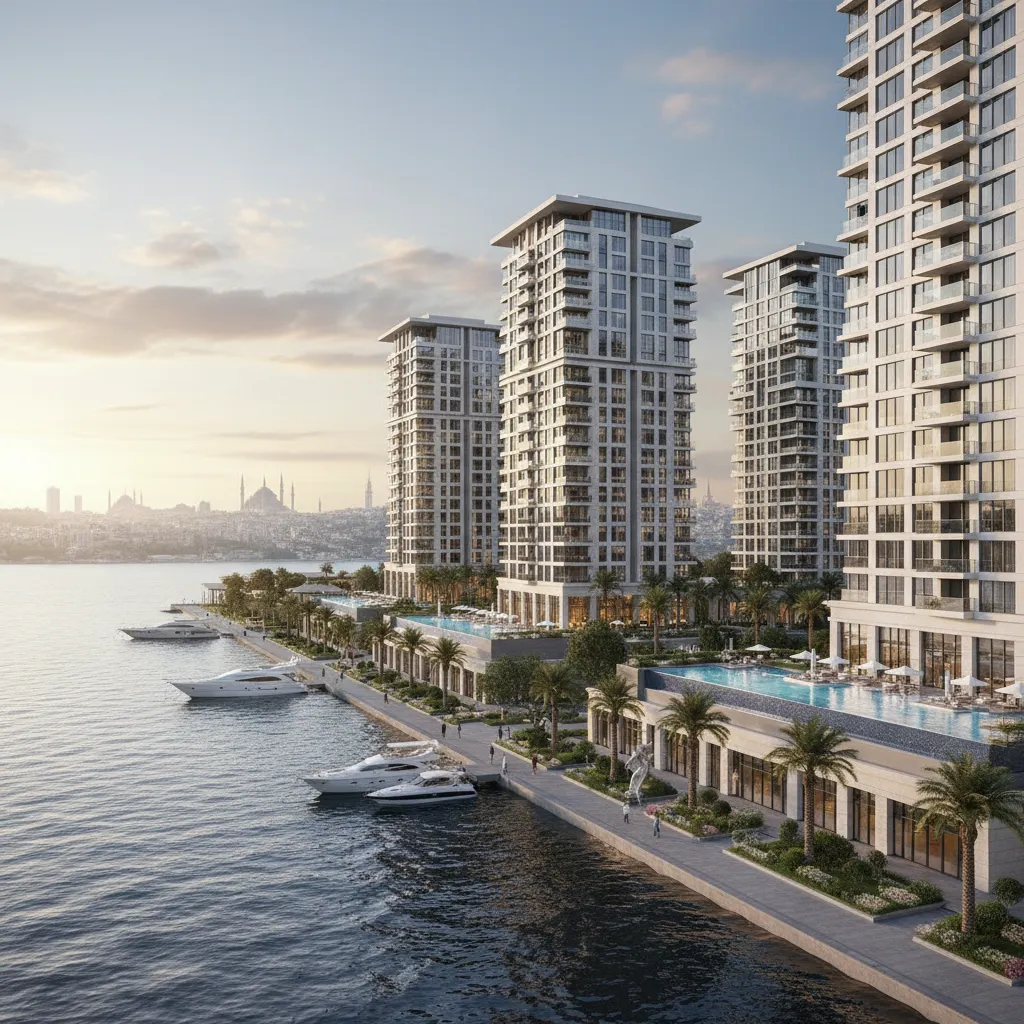
Istanbul’s extensive coastline along the Bosphorus, Golden Horn, and Sea of Marmara provides numerous opportunities for waterfront real estate development. Marina projects combine residential units with boat berthing facilities, creating exclusive communities for affluent buyers interested in maritime lifestyles. These developments often feature premium amenities such as yacht clubs, waterfront restaurants, and private beaches.
Waterfront properties in Istanbul command premium prices due to their scarcity and unique lifestyle offerings. Recent projects focus on sustainable development practices that protect marine environments while providing luxury accommodations. The combination of water access, city views, and exclusive amenities makes these projects particularly attractive to international buyers seeking unique investment opportunities.
Investment Opportunities and ROI Analysis
Capital Appreciation Potential
Istanbul’s real estate market offers substantial capital appreciation potential driven by urbanization, infrastructure development, and increasing foreign investment. Historical data shows average annual appreciation rates of 8-15% across various districts, with some areas experiencing even higher growth during peak periods. The city’s continuous expansion and development of new business districts create opportunities for early investors to benefit from area transformation.
Properties located near major infrastructure projects typically experience accelerated appreciation as development progresses. The Istanbul Canal project, new metro lines, and airport connections create value enhancement opportunities for strategically located properties. Investors who identify emerging neighborhoods before major development announcements often achieve exceptional returns on their investments.
Rental Income Opportunities
Istanbul’s large population and continuous influx of business travelers, students, and expatriates create strong rental demand across various property types. Short-term rental markets, particularly in tourist areas and business districts, offer higher yields but require more active management. Long-term rentals provide steady income streams with lower management requirements, appealing to investors seeking passive income.
The city’s growing technology sector and expanding startup ecosystem create demand for modern, well-equipped rental properties. Co-living spaces and serviced apartments represent emerging rental market segments that cater to young professionals and digital nomads. Property management companies specializing in international tenants help investors maximize rental returns while minimizing operational complexities.
Currency and Economic Considerations
Foreign investors must consider currency fluctuations and economic factors when evaluating Istanbul real estate investments. The Turkish lira’s volatility can create both opportunities and risks, with favorable exchange rates potentially enhancing purchasing power for foreign buyers. However, investors should implement hedging strategies or focus on dollar-denominated properties to minimize currency exposure.
Turkey’s economic diversification efforts and growing international trade relationships support long-term real estate market stability. The country’s young population, strategic location, and expanding economy provide fundamental support for continued property demand and value appreciation. Investors should consider both short-term market dynamics and long-term economic trends when making investment decisions.
Get a free consultation now, and let us help you choose the right property.
Legal Framework and Buying Process
Property Ownership Rights for Foreigners
Turkey’s legal framework allows foreign nationals to own real estate with certain restrictions and requirements. Foreigners can purchase up to 30 hectares of land, and foreign ownership cannot exceed 10% of a district’s total area. Citizens from certain countries may face additional restrictions, while others enjoy reciprocal agreements that facilitate property ownership. The process requires obtaining a military clearance and ensuring the property is not located in restricted zones.
Property ownership rights include the ability to sell, rent, and inherit real estate, providing full investment flexibility. Foreign owners can establish Turkish companies to hold properties, which may offer certain tax advantages and operational benefits. Legal representation by qualified Turkish lawyers specializing in real estate transactions is essential for navigating the complex regulatory environment and ensuring compliance with all requirements.
Step-by-Step Purchase Process
The property purchase process in Istanbul involves several critical steps that must be completed in sequence. Initially, buyers must obtain a Turkish tax number and open a local bank account to facilitate transactions. Property searches should involve qualified real estate agents familiar with foreign buyer requirements and local market conditions. Due diligence includes verifying property titles, checking for liens or encumbrances, and confirming zoning compliance.
The purchase agreement requires notarization and registration with the Land Registry Office (Tapu). All documents must be translated into Turkish by certified translators, and buyers must provide various documentation including passport copies, tax numbers, and financial statements. The final transfer process involves payment of taxes and fees, typically totaling 4-6% of the property value, including title deed fees, stamp duty, and legal costs.
Documentation and Legal Requirements
Successful property purchases require comprehensive documentation and strict adherence to legal requirements. Buyers must provide proof of funds, demonstrating the legal source of purchase money through bank statements, employment records, or investment documentation. Military clearance applications require detailed personal information and may take several weeks to process, particularly for buyers from certain countries.
Property-specific documentation includes architectural plans, construction permits, occupancy certificates, and environmental clearances. Buyers should verify that all building permits are valid and that the property complies with current zoning regulations. Title deed searches must confirm clear ownership and identify any existing mortgages, easements, or legal disputes that could affect the transaction.
Citizenship by Investment Program
Program Overview and Benefits
Turkey’s citizenship by investment program offers one of the most accessible pathways to European citizenship through real estate investment. The program requires a minimum investment of $400,000 in Turkish real estate, held for at least three years, making it attractive compared to similar programs in other countries. Successful applicants receive full Turkish citizenship, including passport privileges that provide visa-free access to over 110 countries.
The program extends citizenship benefits to spouses and children under 18, creating family immigration solutions through single investments. Turkish citizenship provides access to European markets, educational opportunities, and healthcare systems, while maintaining the option to hold dual citizenship with most countries. The strategic location and growing economy make Turkish citizenship increasingly valuable for international business and travel.
Eligible Properties and Investment Criteria
Not all real estate projects qualify for the citizenship by investment program, requiring careful selection to ensure compliance. Eligible properties must be purchased from Turkish citizens or companies, and the investment must be registered with the Land Registry Office with appropriate annotations. The $400,000 minimum applies to individual properties or combined purchases, providing flexibility in investment strategies.
Properties purchased for citizenship must be held for at least three years from the citizenship grant date, during which they cannot be sold to foreign buyers. However, investors can rent properties during the holding period, generating income while maintaining compliance. The program accepts various property types including residential, commercial, and land investments, allowing investors to choose based on their preferences and market analysis.
Application Process and Timeline
The citizenship application process typically takes 3-6 months from submission of complete documentation to passport issuance. Applications must include property purchase documentation, investment certificates, security clearances, and various personal documents. All foreign documents require apostille certification and official Turkish translation by certified translators.
The process involves multiple government agencies including the Land Registry, Investment Office, and Interior Ministry. Applicants must pass security background checks and may be required to attend interviews or provide additional documentation. Legal representation by specialized immigration lawyers significantly improves application success rates and reduces processing delays through proper documentation and procedure compliance.
Financing Options and Payment Methods
Turkish Bank Financing
Turkish banks offer mortgage financing to foreign buyers, though requirements and terms differ from domestic lending programs. Foreign borrowers typically need to provide substantial down payments, often 40-50% of property value, with loan terms ranging from 5-15 years. Interest rates vary based on currency selection, with Turkish lira loans offering lower rates but currency risk, while foreign currency loans provide stability at higher costs.
Major Turkish banks including İş Bankası, Garanti BBVA, and Yapı Kredi offer specialized foreign buyer programs with dedicated relationship managers. The application process requires extensive documentation including income verification, credit history, and collateral assessment. Pre-approval processes help buyers understand their borrowing capacity and strengthen their negotiating position with sellers.
Developer Financing Programs
Many real estate developers in Istanbul offer attractive financing programs to facilitate sales, particularly for off-plan properties. These programs often feature flexible payment schedules aligned with construction milestones, allowing buyers to spread payments over 12-36 months. Developer financing may offer more favorable terms than bank loans, including lower down payment requirements and competitive interest rates.
Payment plans typically structure installments around construction progress, with initial payments securing the property and subsequent payments due at foundation, structure completion, and delivery stages. Some developers offer early payment discounts or extended payment terms for qualified buyers. However, buyers should carefully evaluate developer financial stability and project completion guarantees before committing to extended payment plans.
International Financing Solutions
International buyers may access financing through their home country banks or specialized international lenders familiar with Turkish real estate markets. Cross-border mortgage programs allow buyers to leverage existing banking relationships and credit histories while investing in Turkish properties. These solutions often provide more familiar legal frameworks and customer service in buyers’ native languages.
International financing may offer currency hedging options and structured payment solutions that minimize exchange rate risks. However, international lenders typically require comprehensive property valuations and legal due diligence, potentially extending transaction timelines. Buyers should compare total costs including interest rates, fees, and currency conversion expenses when evaluating international financing options.
Infrastructure Development Impact
Transportation Projects
Istanbul’s massive infrastructure investments significantly impact real estate values and investment opportunities across the city. The new Istanbul Airport, one of the world’s largest aviation hubs, has transformed surrounding districts into prime development areas. Metro line expansions connect previously isolated neighborhoods to the city center, creating new residential and commercial opportunities along transportation corridors.
The Marmaray tunnel connecting European and Asian sides has revolutionized cross-city transportation, enhancing property values in previously less accessible areas. Future projects including additional Bosphorus crossings and high-speed rail connections will further transform Istanbul’s urban landscape. Properties located near current or planned transportation hubs typically experience accelerated appreciation as infrastructure development progresses.
Smart City Initiatives
Istanbul’s smart city transformation includes digital infrastructure improvements, sustainable energy systems, and technology integration that enhance quality of life and property values. Fiber optic network expansion, 5G implementation, and IoT integration create modern urban environments that attract technology companies and skilled workers. These improvements particularly benefit new residential and commercial developments that incorporate smart building technologies.
Environmental sustainability initiatives including waste management improvements, green building standards, and renewable energy adoption create long-term value enhancement for compliant properties. The city’s focus on reducing carbon emissions and improving air quality through electric vehicle infrastructure and clean energy projects supports premium positioning for environmentally conscious developments.
Urban Renewal Projects
Large-scale urban renewal projects transform older neighborhoods into modern residential and commercial areas, creating significant investment opportunities. The government’s urban transformation program targets earthquake-prone buildings and outdated infrastructure, replacing them with modern developments that meet current safety and quality standards. These projects often result in substantial property value increases for area residents and investors.
Renewal projects typically involve comprehensive neighborhood redevelopment including new roads, utilities, parks, and community facilities. Early investors in renewal areas often achieve exceptional returns as transformation progresses and area desirability increases. However, investors should carefully evaluate project timelines, implementation risks, and potential delays that could affect investment returns.
Market Challenges and Risk Factors
Economic Volatility
Turkey’s economy experiences periodic volatility that can impact real estate markets through currency fluctuations, inflation, and interest rate changes. The Turkish lira’s instability creates both opportunities and risks for foreign investors, requiring careful timing and hedging strategies. Economic uncertainty can affect property demand, particularly in the luxury segment, and may influence government policies affecting foreign investment.
Investors should monitor macroeconomic indicators including GDP growth, inflation rates, and current account balances that influence real estate market stability. Diversification across property types and locations can help mitigate economic risks, while focusing on fundamental demand drivers such as population growth and urbanization provides long-term investment security.
Regulatory Changes
Government policies affecting foreign property ownership, taxation, and investment incentives can change, potentially impacting investment returns and exit strategies. Recent years have seen various policy adjustments including minimum investment thresholds for citizenship programs and tax rate modifications. Investors should stay informed about potential regulatory changes and structure investments to maintain flexibility under different policy scenarios.
Legal framework evolution may affect property rights, rental regulations, and transaction procedures, requiring ongoing compliance monitoring. Working with qualified local legal and tax advisors helps investors navigate regulatory changes and optimize their investment structures for changing conditions.
Market Oversupply Risks
Rapid development in certain Istanbul districts creates potential oversupply risks that could pressure property values and rental rates. Investors should carefully analyze supply and demand dynamics in target areas, considering planned developments and absorption rates. Areas with excessive new construction relative to population growth may experience slower appreciation and higher vacancy rates.
Market research including demographic analysis, employment growth, and infrastructure development helps identify areas with sustainable demand fundamentals. Focusing on unique properties or locations with limited development potential can provide protection against oversupply risks while maintaining appreciation potential.
Professional Services and Support
Real Estate Agencies and Consultants
Professional real estate agencies specializing in international clients provide essential services for foreign investors navigating Istanbul’s complex property market. Qualified agencies offer market analysis, property sourcing, due diligence support, and transaction management that significantly reduces investment risks and improves outcomes. Reputable agencies maintain extensive property databases and established relationships with developers, banks, and legal professionals.
International real estate consultants provide strategic investment advice based on market analysis, economic forecasting, and regulatory expertise. These professionals help investors identify optimal investment strategies, evaluate risk-return profiles, and structure transactions for tax efficiency and operational convenience. Consultant services often include ongoing portfolio management and exit strategy planning.
Legal and Tax Advisory Services
Qualified legal representation is essential for successful real estate transactions in Istanbul, ensuring compliance with complex regulations and protecting investor interests. Specialized real estate lawyers provide title verification, contract negotiation, regulatory compliance, and dispute resolution services. Legal advisors also assist with corporate structure optimization for tax efficiency and operational benefits.
Tax advisory services help investors understand Turkish tax obligations, optimize structures for minimal tax burden, and ensure ongoing compliance with reporting requirements. International tax planning may involve treaty benefits, offshore structures, and cross-border tax optimization that requires specialized expertise. Professional tax advice is particularly important for citizenship by investment applicants who must maintain compliance throughout the holding period.
Property Management Services
Professional property management companies provide essential services for investors seeking passive income from rental properties. Management services include tenant screening, rent collection, maintenance coordination, and regulatory compliance that maximize rental returns while minimizing investor involvement. Specialized companies serving international clients offer multilingual support and transparent reporting systems.
Comprehensive management services may include short-term rental optimization, renovation coordination, and market positioning that enhance property performance. Technology-enabled management platforms provide real-time reporting, financial transparency, and remote property monitoring that appeal to international investors. Quality management services typically charge 8-12% of rental income but significantly improve investment returns through professional operation.
Future Market Outlook
Growth Projections and Trends
Istanbul’s real estate market outlook remains positive based on fundamental demand drivers including population growth, urbanization, and economic development. Demographic trends show continued migration to Istanbul from other Turkish regions and neighboring countries, supporting residential demand across all market segments. The city’s expanding role as a regional business hub creates ongoing demand for commercial properties and executive housing.
Technology sector growth and startup ecosystem development attract young professionals and international companies, driving demand for modern residential and office spaces. The growing tourism industry supports hospitality and short-term rental markets, while infrastructure improvements enhance accessibility and livability across the city. Long-term projections indicate continued property value appreciation averaging 6-10% annually, supported by inflation and economic growth.
Emerging Investment Opportunities
New investment opportunities continue emerging as Istanbul expands and modernizes, particularly in developing districts and specialized property types. Co-living and co-working spaces represent growing market segments that cater to changing lifestyle preferences and work patterns. Sustainable and smart building technologies create premium market positioning opportunities for forward-thinking developers and investors.
The logistics and e-commerce sectors drive demand for warehouse and distribution facilities, particularly near transportation hubs and the new airport. Healthcare and education facility development creates opportunities for specialized real estate investment as the city’s population ages and educational demand grows. Mixed-use developments combining residential, commercial, and recreational facilities represent the future of urban development in Istanbul.
Technology Integration Impact
Digital transformation and technology integration significantly impact Istanbul’s real estate market through proptech innovations, smart building systems, and virtual transaction platforms. Online property platforms expand market access for international investors while providing comprehensive market data and analysis tools. Virtual reality tours and digital documentation streamline the buying process for remote investors.
Blockchain technology and digital payment systems may revolutionize property transactions, reducing costs and increasing transparency. Smart building technologies including IoT sensors, automated systems, and energy management create operational efficiencies and tenant satisfaction that support premium pricing. Technology adoption in property management improves service quality while reducing operational costs for investors.
Conclusion
Real estate projects in Istanbul offer compelling investment opportunities supported by strong fundamentals, government incentives, and strategic location advantages. The city’s diverse property market accommodates various investment strategies and budget levels, from affordable emerging neighborhoods to luxury waterfront developments. Infrastructure investments, urban renewal projects, and smart city initiatives continue enhancing property values and livability across the metropolitan area.
Success in Istanbul’s real estate market requires careful planning, professional guidance, and thorough understanding of local regulations and market dynamics. The citizenship by investment program adds significant value for international buyers seeking European citizenship alongside real estate returns. While challenges including economic volatility and regulatory changes require careful management, the long-term outlook remains positive based on demographic trends, economic growth, and ongoing development.
Investors should focus on locations with strong infrastructure development, sustainable demand drivers, and professional property management to maximize returns while minimizing risks. The combination of capital appreciation potential, rental income opportunities, and citizenship benefits makes Istanbul’s real estate market increasingly attractive for international investors seeking diversified portfolios and strategic positioning in the European and Middle Eastern markets.