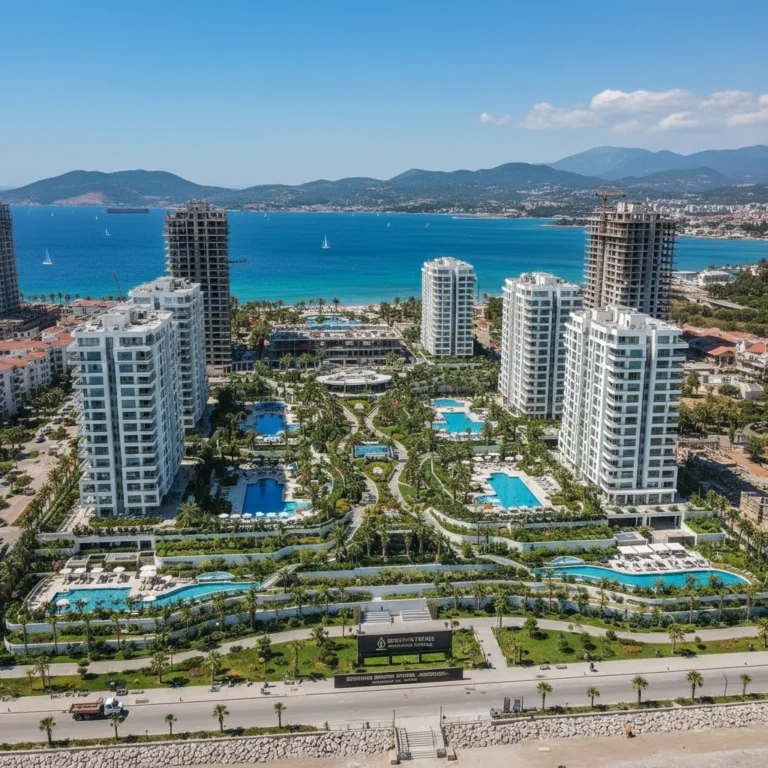
Introduction to Foreign Property Investment in Turkey
Turkey has emerged as one of the most attractive real estate markets for international investors, offering a unique blend of strategic location, growing economy, and investor-friendly policies. The Turkish government has implemented comprehensive reforms to facilitate foreign property ownership, making it easier than ever for international buyers to invest in Turkish real estate.
With its position bridging Europe and Asia, Turkey provides exceptional investment opportunities across residential, commercial, and vacation properties. The country’s robust tourism industry, expanding infrastructure projects, and favorable exchange rates have created a dynamic property market that continues to attract investors from around the globe.
Foreign nationals can now purchase property in Turkey with relative ease, benefiting from streamlined legal processes, competitive pricing, and the potential for Turkish citizenship through investment. This comprehensive guide will walk you through every aspect of buying property in Turkey as a foreigner, from legal requirements to investment strategies.
Legal Framework for Foreign Property Ownership in Turkey
Current Property Laws and Regulations
The Turkish legal system has undergone significant reforms to encourage foreign investment in real estate. The Reciprocity Law, which previously restricted property purchases based on bilateral agreements, has been largely liberalized, allowing citizens from most countries to buy property in Turkey.
Foreign individuals and companies can purchase real estate in Turkey, subject to certain limitations and conditions. The total area of land that can be owned by foreign nationals is capped at 30 hectares per person, and foreign ownership in any district cannot exceed 10% of the total area.
Eligible Countries and Restrictions
Citizens from over 180 countries can purchase property in Turkey, including:
- European Union member states
- United States and Canada
- United Kingdom and Commonwealth countries
- Gulf Cooperation Council (GCC) nations
- Most Asian and African countries
However, certain restrictions apply to citizens from specific countries, and some military zones and border areas remain off-limits to foreign ownership. It’s essential to verify your eligibility and any specific restrictions that may apply to your nationality.
Property Types Available to Foreigners
Foreign nationals can purchase various types of properties in Turkey:
- Residential apartments and houses
- Commercial properties and offices
- Vacation homes and villas
- Land for development (with restrictions)
- Industrial properties (subject to approval)
Turkish Citizenship Through Property Investment
Investment Threshold and Requirements
One of the most compelling reasons for foreign property investment in Turkey is the opportunity to obtain Turkish citizenship. The current investment threshold for citizenship eligibility is $400,000 USD, significantly reduced from the previous $1 million requirement.
Key requirements for citizenship through property investment include:
- Minimum property value of $400,000 USD
- Commitment to hold the property for at least three years
- Property must be purchased from a Turkish citizen or company
- Investment must be made in Turkish Lira or foreign currency
Benefits of Turkish Citizenship
Turkish citizenship offers numerous advantages:
- Visa-free travel to over 110 countries
- Right to live and work in Turkey indefinitely
- Access to Turkish healthcare and education systems
- Ability to pass citizenship to spouse and children
- No requirement to renounce existing citizenship
- Strategic location for business and travel
Application Process and Timeline
The citizenship application process typically takes 3-6 months and involves:
- Property purchase and title deed registration
- Obtaining a property valuation report
- Submitting citizenship application with required documents
- Background checks and security clearance
- Final approval and passport issuance

Get a free consultation now, and let us help you choose the right property.
Step-by-Step Property Buying Process
Pre-Purchase Planning and Research
Before beginning your property search, thorough planning is essential:
Budget Determination
Calculate your total budget including:
- Property purchase price
- Legal and administrative fees (2-4% of property value)
- Property tax and registration costs
- Real estate agent commissions
- Survey and valuation fees
- Currency exchange costs
Location Research
Research different regions and cities based on:
- Investment potential and rental yields
- Infrastructure development plans
- Tourism and business opportunities
- Climate and lifestyle preferences
- Proximity to airports and transportation
Property Search and Selection
Working with Real Estate Agents
Choose reputable real estate agents who:
- Are licensed and registered with local authorities
- Have experience with foreign buyers
- Speak your language or provide translation services
- Offer comprehensive market knowledge
- Provide transparent fee structures
Property Inspection and Due Diligence
Conduct thorough property inspections including:
- Physical condition assessment
- Building permits and compliance verification
- Title deed authenticity check
- Outstanding debt or lien searches
- Neighborhood and amenity evaluation
Legal Documentation and Contracts
Sales Agreement Preparation
The sales agreement should include:
- Detailed property description and boundaries
- Purchase price and payment terms
- Completion timeline and conditions
- Penalty clauses for breach of contract
- Dispute resolution mechanisms
Required Documentation
Prepare the following documents:
- Valid passport and visa
- Tax identification number (Turkish tax number)
- Proof of funds and income
- Bank statements and financial references
- Property valuation report
- Insurance documentation
Title Deed Transfer Process
Land Registry Office Procedures
The title deed transfer occurs at the local Land Registry Office (Tapu Müdürlüğü) and involves:
- Appointment scheduling with both parties present
- Document verification and authenticity checks
- Payment of transfer taxes and fees
- Title deed registration in buyer’s name
- Issuance of new title deed certificate
Associated Costs and Fees
Title deed transfer costs include:
- Title deed transfer tax (4% of property value, split between buyer and seller)
- Land registry fees (approximately 0.2% of property value)
- Stamp duty and administrative charges
- Translation and notarization fees
- Legal representation costs
Popular Regions and Cities for Foreign Investment
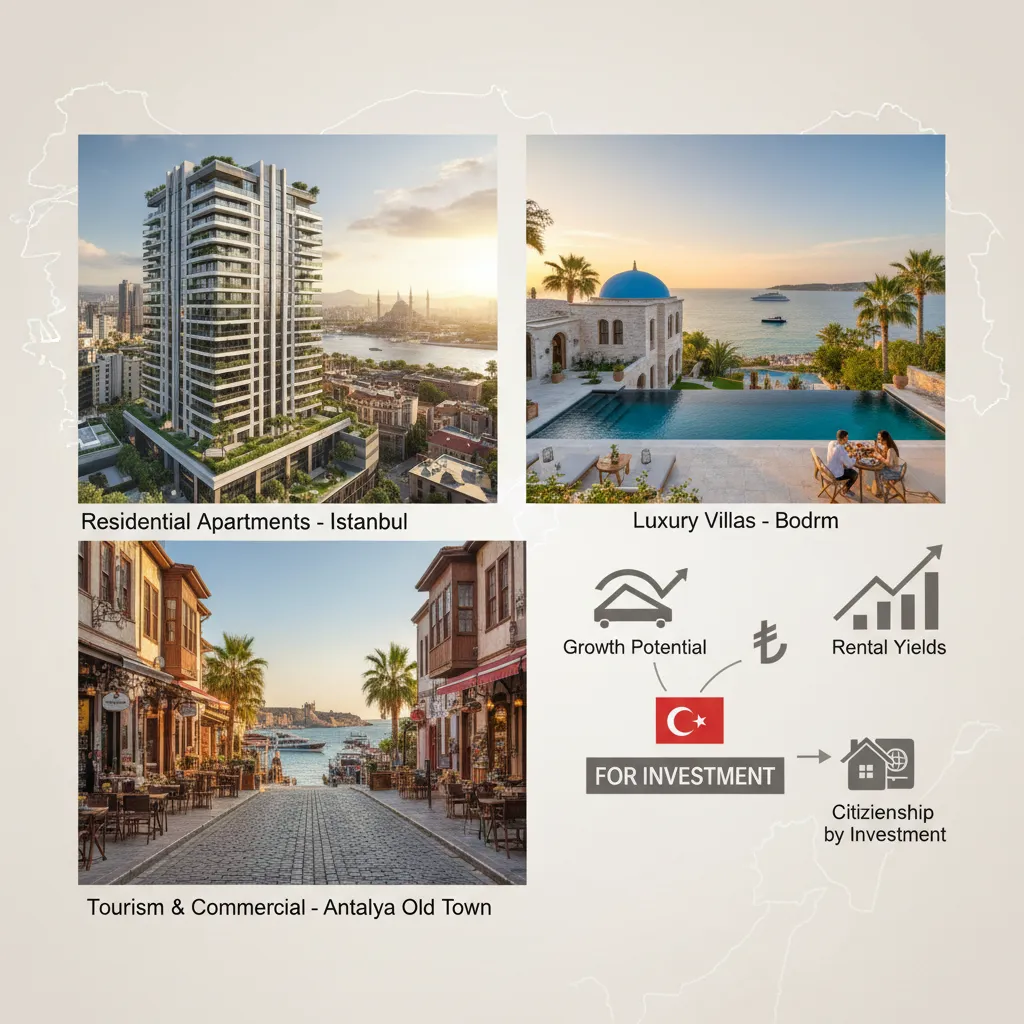
Istanbul – Turkey’s Economic Hub
Istanbul remains the most popular destination for foreign property investors, offering:
Investment Advantages
- Strong rental demand from business professionals
- Extensive transportation infrastructure
- International business and financial center
- Diverse property options from luxury to affordable
- High potential for capital appreciation
Popular Districts
- Beyoğlu and Şişli: Central business districts with high rental yields
- Beşiktaş: Upmarket area with luxury properties
- Kadıköy: Asian side location with cultural attractions
- Maslak: Modern business district with new developments
- Başakşehir: Family-friendly area with affordable options
Antalya – Mediterranean Paradise
Antalya attracts investors seeking vacation homes and rental properties:
Key Benefits
- Year-round tourism and rental income potential
- Beautiful Mediterranean coastline
- International airport with direct flights
- Growing expat community
- Competitive property prices
Prime Locations
- Lara: Luxury beachfront developments
- Konyaaltı: Popular beach area with amenities
- Alanya: Tourist hotspot with rental opportunities
- Kaş: Boutique destination for luxury properties
- Side: Historical area with tourism appeal
Bodrum – Aegean Coastal Gem
Bodrum offers upmarket investment opportunities:
Investment Highlights
- Premium vacation rental market
- International marina and yacht tourism
- Luxury villa and apartment developments
- Strong European buyer interest
- Limited supply driving price appreciation
Bursa – Industrial and Historical Center
Bursa provides excellent value for money investments:
Advantages
- Major industrial and manufacturing hub
- Lower property prices compared to Istanbul
- Strong local rental demand
- Excellent transportation links
- UNESCO World Heritage sites
Ankara – Capital City Opportunities
Turkey’s capital offers stable investment prospects:
Benefits
- Government and diplomatic presence
- Major universities and student housing demand
- Stable rental market
- Lower volatility than tourist areas
- Infrastructure development projects
Financial Considerations and Investment Analysis
Property Pricing and Market Trends
Current Market Conditions
The Turkish property market in 2026 shows:
- Continued foreign investor interest
- Regional price variations based on location
- New development projects in major cities
- Government incentives for property investment
- Currency fluctuations affecting pricing
Price Ranges by Region
Typical property prices vary significantly:
- Istanbul: $1,500-$5,000+ per square meter
- Antalya: $800-$3,000 per square meter
- Bodrum: $2,000-$8,000+ per square meter
- Bursa: $600-$2,000 per square meter
- Ankara: $700-$2,500 per square meter
Financing Options for Foreign Buyers
Turkish Bank Mortgages
Several Turkish banks offer mortgage products to foreign nationals:
- Loan-to-value ratios up to 70-80%
- Interest rates varying by bank and currency
- Repayment terms up to 15-20 years
- Income verification and credit checks required
- Property insurance mandatory
International Financing Solutions
Alternative financing options include:
- International private banking services
- Cross-border mortgage products
- Developer financing schemes
- Investment fund partnerships
- Cryptocurrency payment options (where legal)
Rental Yields and Investment Returns
Rental Market Analysis
Rental yields vary by location and property type:
- Istanbul business districts: 4-7% annual yield
- Antalya tourist areas: 6-10% seasonal yield
- University areas: 8-12% student rental yield
- Luxury developments: 3-6% premium yield
- Commercial properties: 5-9% business rental yield
Capital Appreciation Potential
Factors driving property value increases:
- Infrastructure development projects
- Tourism industry growth
- Foreign investment demand
- Urban regeneration initiatives
- Economic stability and growth
Get a free consultation now, and let us help you choose the right property.
Tax Implications and Ongoing Obligations
Property Purchase Taxes
Initial Tax Obligations
When purchasing property in Turkey, foreign buyers face several tax obligations:
- Title Deed Transfer Tax: 4% of property value (2% each for buyer and seller)
- Stamp Duty: 0.948% of property value
- VAT: 1-18% depending on property type and value
- Municipality fees: Varies by location
VAT Considerations
VAT rates depend on property characteristics:
- New residential properties up to 150m²: 1% VAT
- Larger residential properties: 18% VAT
- Commercial properties: 18% VAT
- Land purchases: Generally exempt from VAT
Annual Property Taxes
Property Tax Rates
Annual property tax obligations include:
- Residential properties: 0.1-0.3% of assessed value
- Commercial properties: 0.2-0.6% of assessed value
- Land: 0.1-0.3% of assessed value
- Luxury properties: Higher rates may apply
Assessment and Payment
Property tax assessment process:
- Municipal valuation based on location and size
- Annual reassessment possible
- Payment due in two installments (May and November)
- Online payment options available
- Penalties for late payment
Rental Income Taxation
Tax Rates and Obligations
Rental income tax requirements:
- Rental income tax: 20% for non-residents
- Monthly tax returns required
- Withholding tax may apply
- Deductible expenses include maintenance and management
- Double taxation treaties may reduce rates
Tax Planning Strategies
Optimize tax obligations through:
- Proper expense documentation
- Understanding treaty benefits
- Professional tax advice
- Corporate structure considerations
- Timing of income recognition
Property Management and Maintenance
Professional Property Management Services
Service Offerings
Professional management companies provide:
- Tenant screening and placement
- Rent collection and accounting
- Property maintenance and repairs
- Legal compliance and documentation
- Marketing and advertising services
- Emergency response and support
Management Fees and Costs
Typical management costs include:
- Management fees: 8-15% of rental income
- Placement fees: One month’s rent
- Maintenance markup: 10-20% on repairs
- Administrative charges for services
- Insurance and legal compliance costs
Self-Management Considerations
Requirements for Self-Management
Managing your own property requires:
- Turkish language skills or reliable translation
- Local legal and tax knowledge
- Time availability for tenant issues
- Network of reliable contractors
- Understanding of rental regulations
Tools and Resources
Self-management resources include:
- Online rental platforms
- Digital payment systems
- Maintenance service apps
- Legal template libraries
- Accounting software solutions
Building and Community Management
Apartment Building Obligations
Apartment owners must participate in:
- Monthly building management fees
- Annual general assembly meetings
- Major repair and renovation decisions
- Building insurance contributions
- Common area maintenance
Community Living Considerations
Understand community dynamics:
- Building rules and regulations
- Neighbor relationships and cultural norms
- Shared facility usage
- Dispute resolution procedures
- Emergency protocols
Common Challenges and How to Overcome Them
Language and Communication Barriers
Overcoming Language Challenges
Address language barriers through:
- Professional translation services
- Bilingual real estate agents
- Legal interpreters for contracts
- Language learning resources
- Expatriate community networks
Key Turkish Real Estate Terms
Essential vocabulary includes:
- Tapu: Title deed
- Emlak: Real estate
- Daire: Apartment
- Villa: House/villa
- Kira: Rent
- Depozito: Deposit
Legal and Bureaucratic Complexities
Navigating Legal Requirements
Manage legal complexities by:
- Hiring qualified Turkish lawyers
- Understanding local regulations
- Maintaining proper documentation
- Following official procedures
- Staying updated on law changes
Documentation Management
Organize important documents:
- Digital and physical copies
- Certified translations
- Secure storage systems
- Regular document updates
- Professional record keeping
Currency and Economic Risks
Managing Currency Exposure
Protect against currency risks through:
- Currency hedging strategies
- Multi-currency investments
- Local income generation
- Professional financial advice
- Diversified investment portfolios
Economic Monitoring
Stay informed about:
- Turkish economic indicators
- Government policy changes
- International market conditions
- Real estate market trends
- Investment climate updates
Future Outlook and Market Predictions
Government Initiatives and Infrastructure Development
Major Infrastructure Projects
Significant developments affecting property values:
- Istanbul Airport expansion and new city projects
- Kanal Istanbul waterway development
- High-speed rail network expansion
- Smart city initiatives in major urban areas
- Renewable energy infrastructure projects
Policy Support for Foreign Investment
Government measures encouraging investment:
- Streamlined citizenship processes
- Tax incentives for large investments
- Simplified bureaucratic procedures
- Enhanced legal protections
- International marketing campaigns
Market Trends and Predictions
Emerging Investment Hotspots
New areas gaining investor attention:
- Çanakkale and Gallipoli Peninsula
- Trabzon and Black Sea coastal areas
- Gaziantep and southeastern development zones
- Eskişehir and central Anatolian cities
- Izmir metropolitan expansion areas
Technology Integration
Digital transformation in real estate:
- Virtual property viewing platforms
- Blockchain-based property transactions
- AI-powered market analysis tools
- Smart home technology integration
- Digital payment and financing solutions
Long-term Investment Outlook
Growth Drivers
Factors supporting continued growth:
- Strategic geographical location
- Young and growing population
- Expanding tourism industry
- Increasing urbanization rates
- Regional economic integration
Risk Factors to Monitor
Potential challenges include:
- Regional political stability
- Global economic conditions
- Currency volatility
- Regulatory changes
- Environmental and climate factors
Conclusion
Buying property in Turkey as a foreigner presents an exceptional opportunity to invest in one of the world’s most dynamic real estate markets. With its strategic location, favorable investment climate, and pathway to citizenship, Turkey continues to attract international investors seeking both financial returns and lifestyle benefits.
The streamlined legal processes, diverse property options, and competitive pricing make Turkey an accessible market for foreign buyers. From the bustling metropolis of Istanbul to the Mediterranean paradise of Antalya, investors can find properties that match their investment goals and personal preferences.
Success in the Turkish property market requires thorough preparation, professional guidance, and understanding of local regulations and market dynamics. By following the comprehensive guidelines outlined in this article, foreign investors can navigate the buying process confidently and make informed decisions that align with their long-term objectives.
The future outlook for Turkish real estate remains positive, supported by government initiatives, infrastructure development, and continued foreign investment interest. As the market evolves and matures, early investors are well-positioned to benefit from Turkey’s economic growth and development trajectory.
Whether seeking rental income, capital appreciation, or Turkish citizenship, foreign property investment in Turkey offers compelling opportunities for those willing to engage with this vibrant and growing market. With proper planning, professional support, and strategic decision-making, investors can successfully navigate the Turkish real estate landscape and achieve their investment goals.