Introduction to Istanbul’s Real Estate Resale Market
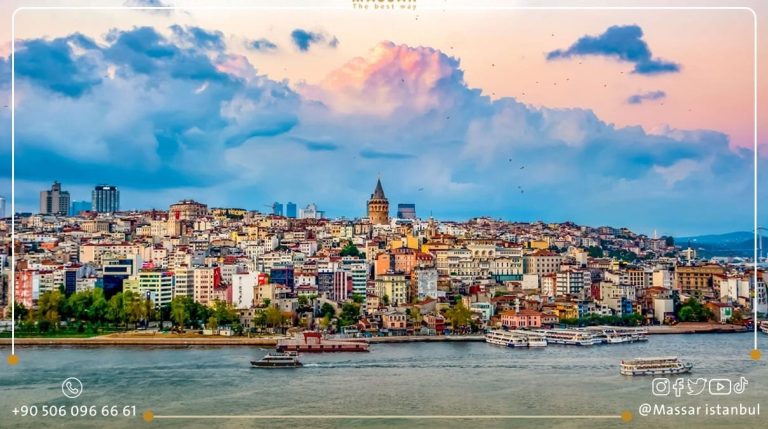
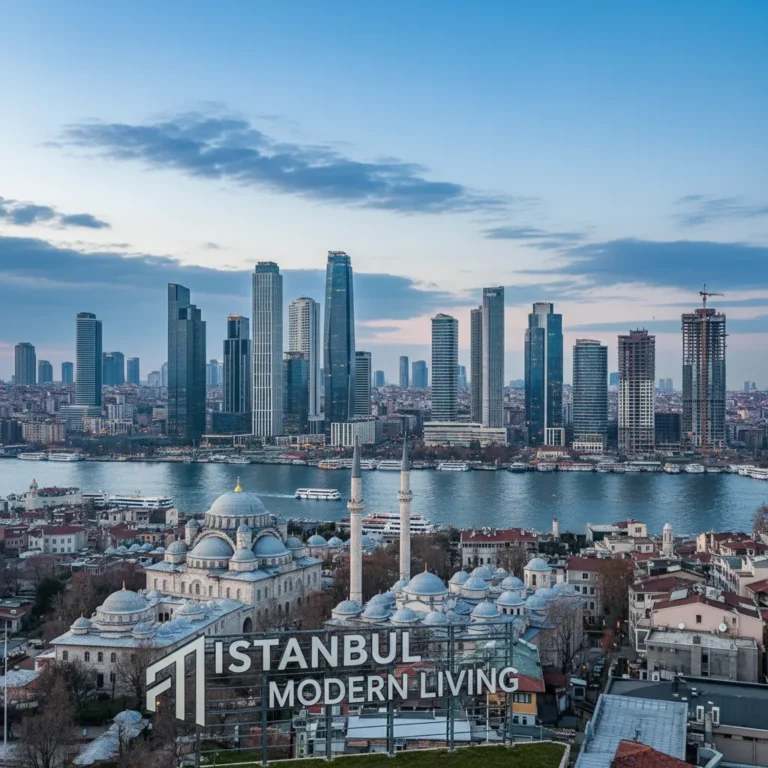
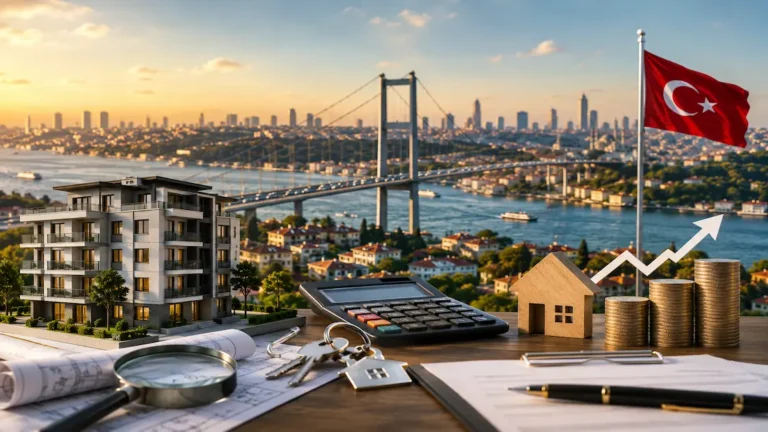
Istanbul’s real estate resale market has emerged as one of the most dynamic and profitable investment sectors in 2026, offering unprecedented opportunities for both domestic and international investors. As Turkey’s economic hub and cultural center, Istanbul continues to attract millions of visitors and new residents annually, creating sustained demand for quality residential and commercial properties. The city’s strategic location between Europe and Asia, combined with its robust infrastructure development and government incentives, has positioned it as a premier destination for real estate investment and resale activities.
The resale market in Istanbul differs significantly from new construction sales, offering unique advantages such as immediate rental income potential, established neighborhood characteristics, and often more competitive pricing. Understanding the intricacies of this market is crucial for investors looking to maximize their returns while navigating the legal and practical aspects of property transactions in Turkey.
Understanding Istanbul’s Real Estate Landscape in 2026
Market Overview and Current Trends
The Istanbul real estate resale market in 2026 reflects a mature and sophisticated ecosystem that has evolved significantly over the past decade. Current market trends indicate a strong preference for properties in well-established neighborhoods with proven track records of appreciation and rental demand. The market has shown remarkable resilience despite global economic uncertainties, with resale values maintaining steady growth patterns across most districts.
Key market indicators reveal that resale properties in prime locations are experiencing annual appreciation rates between 8-15%, significantly outperforming many global real estate markets. This growth is driven by several factors including urban regeneration projects, improved transportation infrastructure, and the city’s increasing appeal to international businesses and expatriate communities.
Economic Factors Influencing Resale Values
Several economic factors play crucial roles in determining resale values across Istanbul’s diverse neighborhoods. The Turkish government’s continued investment in mega-projects such as the Istanbul Canal, expanded metro networks, and airport developments has created ripple effects throughout the real estate market. These infrastructure improvements directly impact property values, with areas benefiting from new transportation links seeing substantial increases in resale prices.
Currency fluctuations also present both opportunities and challenges for international investors. The Turkish Lira’s exchange rate dynamics can create favorable entry points for foreign buyers while potentially affecting the timing of resale decisions. Savvy investors monitor these economic indicators closely to optimize their investment strategies and maximize returns on resale transactions.
Get a free consultation now, and let us help you choose the right property.

احصل على أسعار حصرية وخطط دفع مرنة وفرص استثمار بعوائد مرتفعة
Prime Districts for Real Estate Resale Investment
European Side Districts
Beyoğlu and Şişli: Historic Charm Meets Modern Living
Beyoğlu and Şişli represent some of the most sought-after areas for real estate resale in Istanbul, combining historic significance with contemporary amenities. Properties in these districts typically command premium prices due to their central locations, cultural attractions, and excellent transportation connectivity. Resale apartments in renovated Ottoman-era buildings are particularly popular among international buyers seeking authentic Istanbul experiences.
The resale market in these areas benefits from consistent rental demand from expatriates, students, and young professionals. Average resale prices range from $2,500 to $4,500 per square meter, depending on specific location, building condition, and amenities. Properties near Taksim Square and along the Bosphorus command the highest premiums, with some luxury resales exceeding $6,000 per square meter.
Beşiktaş: Waterfront Luxury and Investment Potential
Beşiktaş has established itself as a premier destination for luxury real estate resale, particularly properties with Bosphorus views. The district’s combination of historic neighborhoods, upscale shopping areas, and proximity to business centers makes it highly attractive to both end-users and investors. Resale properties in Beşiktaş often appreciate faster than the city average, with waterfront apartments showing exceptional performance.
The area’s strong rental market supports healthy resale values, with furnished apartments commanding monthly rents of $1,500-$4,000, depending on size and location. This rental potential significantly enhances the attractiveness of resale investments, providing steady income streams while properties appreciate in value.
Kadıköy and Üsküdar: Emerging Hotspots
The Asian side of Istanbul, particularly Kadıköy and Üsküdar, has experienced remarkable growth in resale activity and property values. These districts offer more affordable entry points compared to prime European side locations while maintaining strong appreciation potential. The areas benefit from ongoing urban renewal projects and improved ferry connections to the European side.
Resale properties in these districts typically range from $1,800 to $3,200 per square meter, making them attractive to first-time investors and those seeking higher rental yields. The bohemian atmosphere of Kadıköy and the historic charm of Üsküdar appeal to diverse tenant demographics, ensuring consistent rental demand for resale properties.
Asian Side Investment Opportunities
Ataşehir: The New Financial District
Ataşehir has emerged as Istanbul’s new financial center, attracting major corporations and creating substantial demand for both residential and commercial resale properties. The district’s modern infrastructure, business-friendly environment, and excellent transportation links have made it a hotspot for real estate investment and resale activities.
Resale apartments in Ataşehir’s modern complexes typically range from $2,200 to $3,800 per square meter, with premium developments commanding higher prices. The area’s appeal to business executives and expatriate families ensures strong rental demand, with monthly rents ranging from $1,200 to $3,500 for quality apartments.
Maltepe and Kartal: Affordable Growth Areas
These coastal districts on the Asian side offer excellent opportunities for investors seeking affordable resale properties with strong growth potential. Recent infrastructure developments, including new metro connections and coastal improvement projects, have significantly enhanced these areas’ attractiveness and property values.
Resale prices in Maltepe and Kartal typically range from $1,500 to $2,500 per square meter, making them accessible to a broader range of investors. The areas’ proximity to the sea, improving amenities, and transportation connectivity suggest continued appreciation potential, making them attractive for medium to long-term resale strategies.
Legal Framework and Regulations for Resale Properties
Property Ownership Rights for Foreign Investors
Turkey’s legal framework governing foreign property ownership has evolved to become increasingly investor-friendly, particularly regarding resale transactions. Foreign nationals from most countries can freely purchase and resell residential properties in Turkey, with few restrictions compared to many other markets. This legal clarity provides confidence for international investors considering resale investments in Istanbul.
The reciprocity principle governs foreign ownership rights, meaning citizens of countries that allow Turkish nationals to own property generally have the same rights in Turkey. This framework extends to resale transactions, allowing foreign owners to freely sell their properties to other foreign or domestic buyers without additional restrictions.
Documentation and Legal Requirements
Title Deed (Tapu) Verification
Proper title deed verification is crucial for successful resale transactions in Istanbul’s real estate market. The Turkish Land Registry system maintains comprehensive records of property ownership, encumbrances, and legal status. Buyers of resale properties must ensure clear title transfer and verify that all previous transactions were properly recorded.
The tapu (title deed) serves as the primary legal document establishing property ownership and must be carefully examined during resale transactions. This includes verifying the property’s legal description, ownership history, and any existing liens or encumbrances that might affect the resale process.
Tax Obligations and Considerations
Resale transactions in Istanbul are subject to various taxes and fees that investors must understand and budget for appropriately. The primary tax consideration is the Real Estate Tax, calculated based on the property’s assessed value and paid annually by the owner. Additionally, resale transactions may trigger capital gains tax obligations depending on the holding period and profit margins.
Foreign investors should be aware that Turkey has tax treaties with many countries that may affect their overall tax obligations on resale profits. Professional tax advice is recommended to optimize tax efficiency and ensure compliance with both Turkish and home country tax requirements.
Investment Strategies for Real Estate Resale
Short-term vs. Long-term Investment Approaches
Short-term Resale Strategies (1-3 Years)
Short-term resale strategies in Istanbul focus on identifying undervalued properties in rapidly developing areas or properties requiring minor renovations to unlock immediate value. This approach requires thorough market knowledge and the ability to identify emerging trends before they become widely recognized. Successful short-term investors often target properties in neighborhoods experiencing infrastructure improvements or urban renewal projects.
Key factors for short-term success include purchasing below market value, timing renovations effectively, and understanding local market dynamics. Properties near new metro stations, shopping centers, or business districts often present excellent short-term resale opportunities as values adjust to improved accessibility and amenities.
Long-term Investment Horizons (5+ Years)
Long-term resale strategies benefit from Istanbul’s overall growth trajectory and urban development patterns. This approach allows investors to ride out market fluctuations while benefiting from the city’s fundamental growth drivers including population increase, economic development, and infrastructure expansion. Long-term investors can afford to be more selective and focus on prime locations with proven track records.
Properties in established neighborhoods with strong rental markets provide steady income while appreciating over time. This strategy is particularly suitable for investors seeking passive income combined with capital appreciation, as rental income can offset holding costs while waiting for optimal resale timing.
Value-Add Opportunities in Resale Properties
Renovation and Modernization Potential
Many resale properties in Istanbul offer significant value-add opportunities through strategic renovations and modernization. Older apartments in prime locations often sell at discounts due to outdated interiors or systems, presenting opportunities for investors to add value through targeted improvements. Modern kitchens, updated bathrooms, and contemporary finishes can substantially increase resale values.
The key to successful renovation strategies lies in understanding local preferences and market demands. Turkish buyers and renters typically value modern amenities, efficient layouts, and quality finishes. Investors who can identify properties with good bones in desirable locations often achieve excellent returns through strategic renovations.
Conversion and Repurposing Opportunities
Some resale properties offer opportunities for conversion or repurposing to maximize value and marketability. This might include converting large apartments into smaller units to appeal to different market segments or combining adjacent units to create luxury properties. Such strategies require careful analysis of zoning regulations and market demand.
Commercial conversion opportunities also exist in certain areas, particularly ground-floor residential units in commercial districts. Converting residential spaces to retail or office use can significantly increase property values and rental income potential, though this requires thorough due diligence regarding zoning and permit requirements.
Get a free consultation now, and let us help you choose the right property.
احصل على أسعار حصرية وخطط دفع مرنة وفرص استثمار بعوائد مرتفعة
Market Analysis and Pricing Trends
Historical Price Performance
Istanbul’s real estate resale market has demonstrated remarkable resilience and growth over the past decade, with most districts showing consistent appreciation despite various economic and political challenges. Historical data indicates that well-located properties have appreciated at rates significantly exceeding inflation, making resale investments attractive for capital preservation and growth.
Analysis of resale transactions from 2020-2026 reveals average annual appreciation rates of 12-18% across prime districts, with some areas experiencing even higher growth rates during periods of increased demand. These trends reflect Istanbul’s fundamental attractiveness as a real estate investment destination and the limited supply of quality properties in desirable locations.
Current Market Dynamics
Supply and Demand Factors
The current supply-demand balance in Istanbul’s resale market favors sellers in most prime locations, as demand from both domestic and international buyers continues to exceed available inventory. This dynamic is particularly pronounced for properties with unique characteristics such as Bosphorus views, historic significance, or prime locations near transportation hubs.
Limited land availability in central areas constrains new supply, supporting values for existing resale properties. This scarcity premium is most evident in historic districts and waterfront areas where new construction is restricted or impossible. Investors focusing on these supply-constrained areas often benefit from stronger price appreciation and more stable market conditions.
Seasonal Market Patterns
Istanbul’s resale market exhibits distinct seasonal patterns that savvy investors can leverage for optimal timing of transactions. Spring and early summer typically see increased activity as both domestic and international buyers are more active, potentially leading to higher prices and faster sales. Conversely, winter months may offer opportunities to purchase resale properties at more favorable prices due to reduced competition.
Understanding these patterns helps investors time their entry and exit strategies more effectively. Properties purchased during slower periods can often be resold during peak seasons for maximum returns, though this strategy requires careful market timing and patience.
Due Diligence Process for Resale Properties
Property Inspection and Evaluation
Structural and Technical Assessments
Thorough property inspection is crucial when considering resale properties in Istanbul, as building standards and maintenance practices can vary significantly. Professional structural assessments should evaluate the building’s foundation, load-bearing elements, and overall structural integrity. This is particularly important for older properties or buildings in areas with seismic activity.
Technical systems including plumbing, electrical, heating, and cooling require careful evaluation to identify potential issues that could affect resale value or require significant investment. Modern buyers expect updated systems and energy-efficient features, making these assessments crucial for accurate valuation and investment planning.
Building Management and Maintenance
The quality of building management and maintenance significantly impacts resale values and ongoing ownership costs. Well-managed buildings with professional maintenance, adequate reserves, and active building committees typically maintain their values better and attract higher-quality tenants. Investors should review building financial statements, maintenance records, and management practices before purchasing resale properties.
Monthly building fees (aidat) vary significantly across different properties and can impact overall investment returns. Understanding these ongoing costs and comparing them to similar properties helps investors make informed decisions and accurately project total ownership costs.
Financial Analysis and Valuation
Comparative Market Analysis
Accurate valuation of resale properties requires comprehensive comparative market analysis using recent sales data from similar properties in the same neighborhood. This analysis should consider factors such as property size, condition, amenities, floor level, and view quality to determine fair market value and negotiation ranges.
Professional appraisals may be required for financing or investment analysis purposes. Turkish real estate appraisers use standardized methodologies that consider both income and comparable sales approaches to determine property values. Understanding these valuation methods helps investors make informed offers and assess potential returns.
Return on Investment Calculations
Comprehensive financial analysis should include both rental yield calculations and capital appreciation projections to determine total return potential. Rental yields in Istanbul typically range from 4-7% annually, depending on location and property type. When combined with appreciation potential, total returns often exceed 15-20% annually in well-selected properties.
Investors should also factor in all costs including purchase taxes, legal fees, renovation expenses, and ongoing maintenance costs to calculate net returns accurately. This comprehensive analysis ensures realistic expectations and helps compare different investment opportunities effectively.
Financing Options for Resale Property Purchases
Turkish Banking System and Mortgage Options
Local Bank Financing
Turkish banks offer various mortgage products for resale property purchases, including options specifically designed for foreign investors. Major banks such as İş Bankası, Garanti BBVA, and Yapı Kredi provide competitive rates and terms for qualified borrowers. Loan-to-value ratios typically range from 70-80% for resale properties, with terms extending up to 15 years for foreign buyers.
Interest rates and terms vary based on the borrower’s profile, property location, and loan amount. Foreign investors should prepare comprehensive financial documentation including income statements, bank references, and credit reports from their home countries. Some banks offer preferential rates for properties in certain developments or locations.
Alternative Financing Structures
Beyond traditional mortgages, investors can explore alternative financing structures such as seller financing, partnership arrangements, or international lending options. Some property sellers, particularly developers with remaining inventory, may offer attractive financing terms to facilitate sales. These arrangements can provide flexibility and potentially better terms than conventional bank loans.
International banks with Turkish operations may also provide financing options for their existing clients, potentially offering more favorable terms or currency options. These relationships can be particularly valuable for investors with substantial international banking relationships or those seeking to minimize currency exposure.
Cash Purchase Advantages
Cash purchases often provide significant advantages in Istanbul’s resale market, including stronger negotiating positions, faster closing processes, and elimination of financing-related delays or complications. Cash buyers can often negotiate 5-10% discounts from asking prices, particularly in situations where sellers need quick closings or are motivated to sell rapidly.
Additionally, cash purchases eliminate financing costs such as loan origination fees, appraisal costs, and interest payments, improving overall investment returns. This approach also provides more flexibility in property selection, as investors are not constrained by bank lending criteria or property approval requirements.
Working with Real Estate Professionals
Selecting Qualified Real Estate Agents
Credentials and Experience
Choosing qualified real estate professionals is crucial for successful resale transactions in Istanbul’s complex market. Look for agents with proper licensing, extensive local experience, and track records of successful resale transactions. Membership in professional associations such as the Turkish Real Estate Association provides additional credibility and access to market resources.
Experienced agents understand local market nuances, pricing trends, and negotiation strategies that can significantly impact transaction outcomes. They should demonstrate knowledge of specific neighborhoods, building characteristics, and legal requirements affecting resale properties. Language capabilities are also important for international investors who may need assistance with Turkish documentation and procedures.
Service Scope and Support
Comprehensive service from real estate professionals should include property identification, market analysis, negotiation support, and transaction coordination. The best agents provide ongoing support throughout the entire process, from initial property search through closing and beyond. This includes coordinating with lawyers, banks, inspectors, and other professionals required for successful transactions.
Post-sale services such as property management referrals, rental assistance, and ongoing market updates add significant value for investors planning to hold properties for rental income or future resale. Establishing long-term relationships with qualified professionals provides ongoing benefits for portfolio expansion and management.
Legal Representation and Advisory Services
Attorney Selection and Roles
Qualified legal representation is essential for resale property transactions, particularly for foreign investors unfamiliar with Turkish real estate law. Attorneys should specialize in real estate transactions and have experience with international clients and cross-border issues. They play crucial roles in contract review, due diligence coordination, and closing procedures.
Legal services should include title verification, contract negotiation, tax planning, and regulatory compliance. Attorneys also coordinate with government agencies, banks, and other parties to ensure smooth transaction completion. Their expertise helps identify and resolve potential issues before they become costly problems.
Ongoing Legal Support
Beyond transaction completion, ongoing legal support provides value for property management, tax compliance, and future resale planning. This includes assistance with rental agreements, building disputes, tax filings, and regulatory changes affecting property ownership. Establishing relationships with qualified legal counsel provides peace of mind and ongoing support for real estate investments.
Property Management and Maintenance Considerations
Professional Property Management Services
Management Company Selection
Professional property management is crucial for investors who don’t reside in Istanbul or prefer hands-off investment approaches. Quality management companies provide comprehensive services including tenant screening, rent collection, maintenance coordination, and financial reporting. They should have established networks of reliable contractors and suppliers for efficient property maintenance.
Management fees typically range from 8-12% of rental income, depending on service scope and property characteristics. Full-service management includes marketing vacant units, handling tenant relations, coordinating repairs and maintenance, and providing detailed financial reporting. This professional management often results in higher rental rates and better tenant retention.
Self-Management Considerations
Some investors prefer self-management to maintain direct control and reduce costs. This approach requires understanding of Turkish rental laws, tenant rights, and maintenance requirements. Self-managing investors must be prepared to handle emergency repairs, tenant issues, and ongoing maintenance personally or through direct contractor relationships.
Successful self-management requires local presence or reliable local contacts for property oversight. Language barriers and unfamiliarity with local practices can create challenges for international investors attempting self-management without adequate local support.
Maintenance and Renovation Planning
Preventive Maintenance Programs
Systematic preventive maintenance preserves property values and minimizes costly emergency repairs. This includes regular HVAC servicing, plumbing inspections, exterior maintenance, and building system updates. Well-maintained properties command higher rental rates and resale values while reducing vacancy periods and tenant turnover.
Building relationships with reliable contractors and service providers ensures quality work at competitive prices. Many property management companies maintain preferred vendor networks that provide discounted services and priority response for their managed properties.
Value-Enhancing Improvements
Strategic improvements can significantly enhance rental income and resale values. Popular upgrades include modern appliances, updated bathrooms and kitchens, improved lighting, and enhanced security systems. Understanding local tenant preferences helps prioritize improvements that provide the best returns on investment.
Energy efficiency improvements such as improved insulation, efficient heating systems, and LED lighting not only reduce operating costs but also appeal to environmentally conscious tenants and buyers. These improvements often pay for themselves through reduced utility costs and higher rental rates.
Exit Strategies and Resale Timing
Market Timing Considerations
Economic Indicators and Market Cycles
Successful resale timing requires understanding both local and global economic indicators that affect Istanbul’s real estate market. Key factors include interest rates, currency exchange rates, inflation levels, and overall economic growth. Political stability and government policies also significantly impact market conditions and optimal timing for resale transactions.
Real estate markets typically follow cyclical patterns, and understanding these cycles helps investors optimize their exit timing. Peak selling seasons often coincide with strong economic conditions, low interest rates, and high buyer confidence. Monitoring leading indicators helps investors anticipate market changes and time their exits accordingly.
Personal Investment Goals and Timelines
Individual investment goals and timelines should drive resale decisions more than short-term market fluctuations. Investors with specific financial goals or timelines may need to sell regardless of market conditions, making it important to factor these constraints into initial investment decisions. Flexibility in timing often leads to better outcomes and higher returns.
Portfolio diversification goals may also influence resale timing, as investors may want to realize gains in one market to invest in others or rebalance their overall investment portfolios. Understanding personal financial objectives helps prioritize timing decisions and optimize overall investment performance.
Maximizing Resale Value
Pre-Sale Preparation and Staging
Proper preparation significantly impacts resale values and sale timelines. This includes thorough cleaning, minor repairs, fresh paint, and professional staging to showcase the property’s potential. Well-presented properties typically sell faster and for higher prices than those requiring buyers to envision improvements.
Professional photography and marketing materials help properties stand out in competitive markets. High-quality photos, virtual tours, and detailed property descriptions attract more qualified buyers and support higher asking prices. Investment in professional marketing often pays for itself through faster sales and better prices.
Negotiation Strategies and Pricing
Effective pricing strategies balance maximum return with reasonable sale timelines. Overpricing can result in extended marketing periods and ultimately lower final prices, while underpricing leaves money on the table. Professional market analysis helps establish optimal pricing ranges and negotiation strategies.
Understanding buyer motivations and market conditions helps sellers negotiate effectively. In seller’s markets, properties may sell at or above asking prices with minimal concessions, while buyer’s markets may require more flexibility on price and terms. Experienced agents provide valuable guidance on negotiation strategies and market positioning.
Risk Management and Investment Protection
Insurance and Protection Strategies
Property Insurance Requirements
Comprehensive insurance coverage protects real estate investments from various risks including fire, earthquake, theft, and liability claims. Turkish law requires basic building insurance, but investors should consider additional coverage for contents, rental income protection, and liability. Understanding policy terms and coverage limits ensures adequate protection without unnecessary costs.
International investors should verify that their insurance policies provide coverage that meets their home country requirements and protects against currency fluctuation risks. Some policies offer coverage in multiple currencies or provide automatic adjustments for inflation and currency changes.
Legal and Regulatory Risk Management
Staying informed about changing regulations and legal requirements helps protect investments from regulatory risks. This includes zoning changes, building code updates, tax law modifications, and foreign ownership regulations. Professional legal and tax advice helps investors navigate these complexities and maintain compliance.
Proper documentation and record-keeping protect against legal disputes and facilitate smooth transactions. This includes maintaining all purchase documents, improvement records, rental agreements, and tax filings. Organized records also simplify due diligence for future buyers and support optimal resale values.
Market Risk Mitigation
Diversification Strategies
Geographic and property type diversification helps reduce overall portfolio risk while maintaining exposure to Istanbul’s growth potential. Investors might consider properties in different districts, various property types, or different price ranges to spread risk and capture different market segments. This approach provides more stable returns and reduces dependence on any single market area.
Timing diversification through staged purchases and sales can also reduce market risk. Rather than investing all capital at once, investors can spread purchases over time to average into the market and reduce timing risk. Similarly, staged sales can help optimize exit timing and reduce exposure to market downturns.
Currency and Economic Hedging
International investors face currency risk that can significantly impact investment returns. Various hedging strategies can help manage this risk, including currency forward contracts, natural hedging through Turkish Lira-denominated income, or diversified currency exposure. Understanding and managing currency risk is crucial for optimizing international real estate investment returns.
Economic hedging through inflation-protected assets or investments that benefit from economic growth can provide additional protection against macroeconomic risks. Real estate itself provides some inflation protection, but additional strategies may be appropriate depending on individual risk tolerance and investment objectives.
Future Outlook and Market Projections
Infrastructure Development Impact
Transportation and Connectivity Projects
Istanbul’s ongoing infrastructure development will continue to impact real estate resale values and investment opportunities through 2026 and beyond. Major projects including metro line expansions, the Istanbul Canal, and improved airport connectivity will create new investment hotspots and enhance existing property values. Understanding these development timelines helps investors position their portfolios to benefit from infrastructure improvements.
The completion of new transportation links often creates immediate value increases for nearby properties, making areas along planned routes attractive for resale investment. Early identification of these opportunities allows investors to purchase before infrastructure completion drives up prices significantly.
Urban Renewal and Development Projects
Government-sponsored urban renewal projects will continue transforming older neighborhoods and creating new investment opportunities. These projects often involve demolishing older buildings and constructing modern developments, potentially displacing existing residents but creating opportunities for new investment. Understanding renewal project timelines and impacts helps investors make informed decisions about affected areas.
Some urban renewal projects offer compensation or relocation assistance to existing property owners, potentially creating opportunities for investors to participate in redevelopment processes. These complex transactions require careful legal analysis but can provide substantial returns for well-positioned investors.
Demographic and Economic Trends
Population Growth and Migration Patterns
Istanbul’s continued population growth and changing demographics will drive ongoing demand for quality housing and create new market segments. Young professionals, expatriate families, and retirees represent growing market segments with distinct housing preferences and spending power. Understanding these demographic trends helps investors target properties and locations that will benefit from changing demand patterns.
Internal migration from other Turkish cities and international immigration contribute to steady housing demand growth. Areas with good schools, healthcare facilities, and transportation access will likely see continued strong demand from these growing populations.
Economic Development and Business Growth
Istanbul’s role as a regional business hub will continue expanding, creating demand for both residential and commercial properties. The city’s strategic location, improving infrastructure, and business-friendly policies attract international companies and create high-paying jobs that support premium housing demand. Areas near business centers and with good transportation access will likely see continued strong appreciation.
Technology sector growth and startup activity create demand for modern, flexible housing options that appeal to younger, tech-savvy residents. Properties with modern amenities, good internet connectivity, and proximity to co-working spaces and entertainment options will likely outperform traditional residential investments.
Conclusion
Real estate resale in Istanbul presents exceptional opportunities for investors seeking strong returns, portfolio diversification, and exposure to one of the world’s most dynamic cities. The market’s combination of steady appreciation, attractive rental yields, and favorable legal framework makes it an compelling destination for both domestic and international investors. Success in this market requires thorough research, professional guidance, and careful attention to local market dynamics and regulations.
The key to successful resale investment lies in understanding Istanbul’s diverse neighborhoods, identifying value-add opportunities, and timing transactions effectively. Whether pursuing short-term trading strategies or long-term appreciation plays, investors who approach the market with proper preparation and professional support can achieve substantial returns while participating in Istanbul’s continued growth story.
As Istanbul continues evolving into a global metropolis, its real estate resale market will likely become increasingly sophisticated and attractive to international capital. Early investors who establish positions in quality properties and prime locations are well-positioned to benefit from this ongoing transformation. For those considering Apartments Under Construction in Istanbul: Complete 2026 Investment Guide or Ready Apartments for Sale in Istanbul: Complete 2026 Buyer’s Guide, the resale market offers additional opportunities to complement new construction investments and build diversified Istanbul real estate portfolios.
The future of Istanbul’s real estate resale market looks bright, supported by fundamental growth drivers including population expansion, infrastructure development, and economic diversification. Investors who understand these dynamics and approach the market strategically will find numerous opportunities for profitable resale investments. For comprehensive insights into the broader investment landscape, our Real Estate Investment Opportunities in Istanbul: 2026 Guide provides additional context