
Introduction to Property Valuation for Turkish Citizenship
Turkey’s citizenship by investment program has become one of the most attractive pathways to European citizenship, offering investors the opportunity to obtain Turkish citizenship through real estate investment. The cornerstone of this program lies in proper property valuation, which determines whether your investment meets the government’s requirements and qualifies you for citizenship.
Property valuation for Turkish citizenship is a complex process that involves multiple stakeholders, strict regulatory compliance, and precise documentation. Understanding this process is crucial for investors seeking to navigate the Turkish citizenship program successfully while ensuring their investment meets all legal requirements.
The Turkish government has established specific criteria and thresholds for property investments that qualify for citizenship, making accurate valuation not just important but mandatory. This comprehensive guide explores every aspect of property valuation for Turkish citizenship, from initial requirements to final approval processes.
Understanding Turkish Citizenship by Investment Program
Program Overview and Legal Framework
The Turkish citizenship by investment program was formally established under Turkish Citizenship Law No. 5901 and its implementing regulations. The program allows foreign nationals to obtain Turkish citizenship through various investment options, with real estate investment being the most popular choice among international investors.
The legal framework governing property valuation for Turkish citizenship involves multiple government agencies, including the Ministry of Interior, the Ministry of Environment and Urbanization, and local municipal authorities. Each agency plays a specific role in ensuring that property investments meet the required standards and valuations.
Under current regulations, the minimum property investment threshold for Turkish citizenship stands at $400,000 USD, a significant reduction from the previous $1 million requirement. This change has made the program more accessible to a broader range of international investors while maintaining strict valuation standards.
Key Requirements for Property Investment
To qualify for Turkish citizenship through property investment, several fundamental requirements must be met. The property must be valued at a minimum of $400,000 USD by an authorized valuation company, and the investor must commit to holding the property for at least three years from the date of purchase.
The property investment must be made in Turkish Lira or foreign currency, and all transactions must be properly documented and registered with Turkish authorities. Additionally, the property must be purchased from a Turkish entity or individual, and the sale must comply with all Turkish real estate laws and regulations.
Foreign investors must also ensure that their property investment does not violate any restrictions on foreign ownership in Turkey. Certain areas near military installations or border regions may have limitations on foreign property ownership, which could affect eligibility for citizenship through investment.
The Property Valuation Process
Authorized Valuation Companies
Property valuation for Turkish citizenship must be conducted exclusively by companies authorized by the Capital Markets Board of Turkey (SPK). These authorized valuation companies possess the necessary licenses, expertise, and regulatory compliance to provide valuations that are legally recognized for citizenship applications.
The selection of an authorized valuation company is crucial to the success of your citizenship application. These companies must be independent, meaning they cannot have any financial interest in the property being valued or relationship with the buyer or seller that could compromise their objectivity.
Authorized valuation companies employ certified appraisers who have extensive knowledge of Turkish real estate markets, legal requirements, and international valuation standards. They must follow specific methodologies and documentation requirements established by Turkish regulatory authorities.
Valuation Methodologies and Standards
Turkish property valuation for citizenship applications follows internationally recognized valuation standards, including the International Valuation Standards (IVS) and European Valuation Standards (EVS). Valuers typically employ multiple approaches to determine property value, ensuring accuracy and compliance with regulatory requirements.
The comparative market approach involves analyzing recent sales of similar properties in the same area, adjusting for differences in size, condition, location, and other relevant factors. This method is particularly effective in established residential markets with sufficient transaction data.
The income approach evaluates properties based on their potential rental income and investment returns. This method is commonly used for commercial properties and rental residential properties, calculating the present value of expected future cash flows.
The cost approach estimates property value based on the cost to replace or reproduce the building, minus depreciation, plus land value. This method is often used for newer properties or unique buildings where comparable sales data is limited.
Required Documentation for Valuation
Property Documentation Requirements
Comprehensive documentation is essential for accurate property valuation for Turkish citizenship. The valuation company requires access to all relevant property documents, including the title deed (tapu), building permits, occupancy permits, and any relevant zoning information.
The title deed must clearly establish ownership and provide detailed information about the property’s legal status, including any encumbrances, easements, or restrictions that might affect its value. Building permits and occupancy permits confirm that the property was constructed legally and meets all applicable building codes.
Zoning information and urban planning documents help valuers understand the property’s development potential and any restrictions that might affect its current or future value. These documents also confirm that the property complies with local planning regulations and building restrictions.
Financial and Legal Documentation
Property valuation for Turkish citizenship requires extensive financial documentation to support the investment amount and ensure compliance with program requirements. This includes purchase agreements, payment receipts, bank transfer records, and currency exchange documentation.
All financial transactions must be properly documented and traceable, demonstrating that the required investment amount has been made in accordance with Turkish regulations. Bank statements and transfer records must show the source of funds and confirm that payments were made through official banking channels.
Legal documentation includes lawyer certifications, notarized agreements, and compliance certificates confirming that all legal requirements have been met. These documents provide additional assurance that the property investment qualifies for citizenship consideration.
Get a free consultation now, and let us help you choose the right property.
احصل على أسعار حصرية وخطط دفع مرنة وفرص استثمار بعوائد مرتفعة
Valuation Report Components
Executive Summary and Property Description
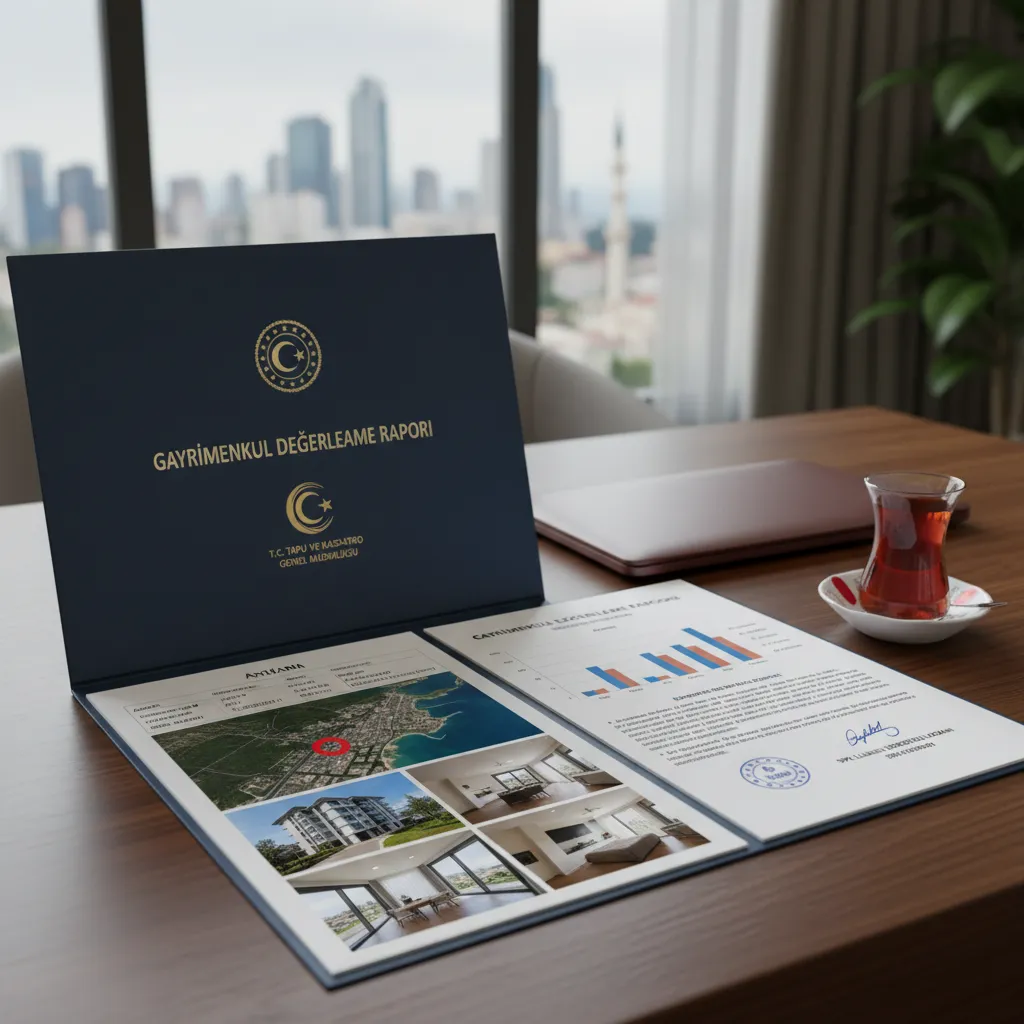
A comprehensive valuation report for Turkish citizenship begins with an executive summary that clearly states the property’s appraised value, valuation date, and purpose of the valuation. This section provides decision-makers with immediate access to critical information needed for citizenship processing.
The property description section provides detailed information about the property’s physical characteristics, including size, construction quality, age, condition, and any unique features that affect its value. This description must be thorough and accurate, as it forms the basis for the valuation analysis.
Location analysis is a crucial component that examines the property’s neighborhood, accessibility, proximity to amenities, and overall desirability. This analysis considers factors such as transportation links, schools, shopping centers, and other infrastructure that influences property values.
Market Analysis and Valuation Methodology
The market analysis section examines local real estate trends, recent sales activity, and market conditions that affect property values. This analysis provides context for the valuation and demonstrates that the appraised value reflects current market conditions.
Detailed explanation of valuation methodology shows how the appraiser arrived at the final value conclusion. This section describes the approaches used, data sources consulted, and adjustments made to ensure accuracy and compliance with valuation standards.
Comparable sales analysis presents detailed information about similar properties that have sold recently, including adjustments made for differences in size, condition, location, and other relevant factors. This analysis supports the valuation conclusion and demonstrates market-based reasoning.
Risk Assessment and Compliance Certification
Risk assessment identifies any factors that might affect the property’s value or marketability, including market risks, physical condition issues, legal complications, or other concerns that could impact the investment’s performance over time.
Compliance certification confirms that the valuation meets all requirements for Turkish citizenship applications, including minimum value thresholds, documentation standards, and regulatory compliance. This certification is essential for citizenship processing.
The valuation report must also include professional certifications from the appraiser, confirming their qualifications, independence, and adherence to professional standards. These certifications provide assurance of the valuation’s credibility and reliability.
Common Valuation Challenges and Solutions
Market Volatility and Timing Issues
Property valuation for Turkish citizenship can be affected by market volatility, particularly in rapidly changing real estate markets. Valuers must consider current market conditions while ensuring that valuations remain valid throughout the citizenship application process.
Timing coordination between property purchase, valuation, and citizenship application is crucial for success. Delays in any part of the process can affect valuation validity and may require updated appraisals to maintain compliance with program requirements.
Market fluctuations can also affect currency exchange rates, which is particularly important when dealing with the $400,000 USD minimum investment requirement. Valuers must consider exchange rate impacts and ensure that property values meet requirements in both Turkish Lira and USD terms.
Property Type and Location Considerations
Different property types present unique valuation challenges for Turkish citizenship applications. Residential properties typically have more comparable sales data, making valuation more straightforward, while commercial properties may require more complex analysis and specialized expertise.
Location-specific factors can significantly impact property valuation and citizenship eligibility. Properties in restricted areas or regions with limited foreign ownership rights may face additional scrutiny and require specialized valuation approaches to ensure compliance.
New construction properties present particular challenges, as they may lack comparable sales data and require careful analysis of construction costs, developer reputation, and market absorption rates to arrive at accurate valuations.
Regional Variations in Property Valuation
Istanbul Property Market
Istanbul represents the largest and most liquid real estate market in Turkey, offering numerous opportunities for citizenship-qualifying investments. Property valuation in Istanbul benefits from extensive market data, established valuation practices, and strong demand from both domestic and international investors.
The Istanbul market includes diverse property types and price ranges, from luxury residential developments to commercial properties and mixed-use projects. Valuers in Istanbul have access to comprehensive databases of comparable sales and rental information, enabling more precise valuations.
However, Istanbul’s market complexity also presents challenges, including significant price variations between districts, rapid development changes, and intense competition among investors. These factors require experienced valuers with deep local market knowledge to ensure accurate assessments.
For those considering Turkish Citizenship for Families Through Investment, Istanbul offers numerous family-friendly neighborhoods and properties that meet citizenship requirements while providing excellent quality of life.
Ankara and Capital Region
Ankara, as Turkey’s capital city, offers a more stable and government-focused real estate market with different characteristics from Istanbul’s commercial dynamism. Property valuation in Ankara often focuses on proximity to government institutions, diplomatic quarters, and established residential areas.
The Ankara market typically shows less volatility than Istanbul, with more predictable price trends and established neighborhoods. This stability can be advantageous for citizenship investors seeking long-term value preservation and steady appreciation potential.
Valuation considerations in Ankara include the city’s role as the political center, presence of international organizations, and strong demand from government employees and diplomats. These factors contribute to market stability but may also limit rapid appreciation potential.
Coastal Regions and Tourist Areas
Turkey’s coastal regions, including Antalya, Bodrum, and other Mediterranean and Aegean destinations, present unique valuation considerations due to their tourism-focused economies and seasonal demand patterns. Properties in these areas often command premium prices due to their location and lifestyle appeal.
Seasonal variations significantly impact property values and rental potential in coastal areas. Valuers must consider both peak season demand and off-season conditions when assessing properties for citizenship qualification, ensuring that valuations reflect sustainable long-term value rather than temporary market peaks.
Tourism infrastructure, accessibility, and development restrictions in coastal areas can significantly affect property values. Environmental regulations, building height restrictions, and tourism zoning requirements must all be considered in the valuation process.
Get a free consultation now, and let us help you choose the right property.

احصل على أسعار حصرية وخطط دفع مرنة وفرص استثمار بعوائد مرتفعة
Legal and Regulatory Compliance
Government Approval Process
Property valuation for Turkish citizenship must navigate a complex approval process involving multiple government agencies. The valuation report serves as a critical component of the citizenship application and must meet specific standards established by Turkish authorities.
The Ministry of Interior reviews citizenship applications and relies heavily on property valuations to determine eligibility. Valuations must demonstrate that the investment meets minimum thresholds and complies with all program requirements to receive approval.
Local authorities also play important roles in the approval process, particularly regarding property registration, tax compliance, and zoning conformity. Coordination between national and local authorities is essential for successful citizenship processing.
Tax Implications and Considerations
Property valuation for Turkish citizenship has significant tax implications that must be carefully considered throughout the process. Property taxes, transfer taxes, and ongoing ownership costs all depend on accurate property valuation and proper documentation.
Transfer tax calculations are based on either the official valuation or the actual purchase price, whichever is higher. This requirement ensures that property valuations for citizenship purposes align with tax obligations and prevent undervaluation for tax avoidance.
Ongoing property tax obligations are calculated based on official property valuations updated annually by municipal authorities. Investors must understand these long-term tax implications when considering properties for citizenship qualification.
International Compliance Requirements
Many citizenship investors must also consider international compliance requirements, including tax reporting obligations in their home countries and anti-money laundering regulations that affect international property investments.
Documentation requirements for international compliance often exceed Turkish domestic requirements, necessitating additional certifications, translations, and legal opinions to satisfy multiple regulatory frameworks simultaneously.
Currency reporting requirements and source of funds documentation become particularly important for high-value property investments qualifying for citizenship, requiring careful coordination between Turkish and international legal and financial advisors.
Professional Services and Expert Guidance
Selecting Qualified Valuation Professionals
Choosing the right valuation professional is crucial for successful property valuation for Turkish citizenship. Qualified professionals should hold appropriate licenses from Turkish regulatory authorities and demonstrate extensive experience with citizenship-related valuations.
Professional credentials should include membership in recognized valuation organizations, continuing education certifications, and a track record of successful citizenship valuations. References from previous clients and regulatory compliance history provide additional assurance of professional competence.
Communication skills and language capabilities are also important considerations, as citizenship investors often require explanations of complex valuation concepts and regulatory requirements in multiple languages to ensure full understanding of the process.
Legal and Advisory Support
Property valuation for Turkish citizenship typically requires coordination with legal professionals who specialize in Turkish citizenship law and real estate transactions. These professionals ensure that all legal requirements are met and documentation is properly prepared.
Immigration lawyers provide essential guidance on citizenship application procedures, document requirements, and timing considerations that affect valuation validity. Their expertise helps coordinate the various components of the citizenship application process.
Tax advisors help investors understand the full financial implications of their property investment, including ongoing tax obligations, optimization strategies, and international compliance requirements that may affect the investment’s long-term viability.
If you have specific Questions about Turkish citizenship, consulting with qualified professionals can provide clarity and ensure your investment strategy aligns with program requirements.
Investment Strategy and Market Considerations
Property Selection Criteria
Successful property valuation for Turkish citizenship begins with careful property selection that considers both citizenship requirements and investment objectives. Properties should not only meet minimum value thresholds but also offer strong potential for value preservation and appreciation.
Location analysis should consider factors such as infrastructure development, economic growth prospects, and demographic trends that influence long-term property values. Areas with planned transportation improvements or major development projects often offer superior investment potential.
Property type selection should align with market demand patterns and rental potential, particularly important given the three-year holding requirement for citizenship qualification. Properties with strong rental demand provide income generation opportunities during the mandatory holding period.
Market Timing and Economic Factors
Economic conditions significantly impact property valuation for Turkish citizenship, with factors such as interest rates, inflation, currency exchange rates, and overall economic growth affecting both property values and investment attractiveness.
Political stability and government policy changes can also influence property markets and citizenship program requirements. Investors should monitor policy developments and consider their potential impact on both property values and program eligibility.
International economic conditions, including global investment flows and regional geopolitical developments, can affect Turkish real estate markets and should be considered when timing property investments for citizenship purposes.
Risk Management Strategies
Effective risk management is essential for property valuation and citizenship investment success. Diversification strategies, insurance coverage, and exit planning all contribute to investment protection and long-term success.
Currency risk management becomes particularly important for international investors, as exchange rate fluctuations can affect both the USD value requirement and the investment’s performance in the investor’s home currency.
Legal risk mitigation includes thorough due diligence, proper documentation, and ongoing compliance monitoring to ensure that citizenship eligibility is maintained throughout the required holding period and beyond.
To avoid common pitfalls, investors should review the Top Mistakes to Avoid When Buying Property in Turkey Guide before making their investment decisions.
Future Trends and Market Outlook
Technology Integration in Valuation
The property valuation industry is increasingly incorporating advanced technologies, including artificial intelligence, big data analytics, and automated valuation models, to enhance accuracy and efficiency in property assessment for Turkish citizenship applications.
Digital platforms and online databases are improving access to market information and comparable sales data, enabling more comprehensive analysis and supporting more accurate valuations for citizenship purposes.
Blockchain technology and digital documentation systems may revolutionize property registration and valuation processes, potentially streamlining citizenship applications and improving transparency in the valuation process.
Regulatory Evolution
Turkish citizenship by investment regulations continue to evolve, with potential changes to minimum investment thresholds, eligible property types, and valuation requirements. Staying informed about regulatory developments is crucial for successful citizenship planning.
International pressure for enhanced due diligence and transparency in citizenship by investment programs may lead to stricter valuation requirements and additional compliance obligations for both investors and valuation professionals.
Environmental and sustainability considerations are becoming increasingly important in property valuation, with green building certifications and energy efficiency potentially affecting property values and citizenship qualification criteria.
Market Development Projections
Turkey’s real estate market continues to develop and mature, with increasing international investment and improving market infrastructure supporting more sophisticated valuation practices and better investment opportunities for citizenship seekers.
Urban development projects, transportation infrastructure improvements, and economic diversification efforts are expected to create new investment opportunities and affect regional property value patterns throughout Turkey.
International economic integration and Turkey’s strategic location between Europe and Asia position the country for continued growth in international property investment and citizenship by investment program participation.
Conclusion
Property valuation for Turkish citizenship represents a critical component of one of the world’s most attractive citizenship by investment programs. Success requires thorough understanding of valuation processes, regulatory requirements, and market dynamics that affect both citizenship eligibility and investment performance.
The complexity of property valuation for Turkish citizenship demands professional expertise and careful coordination among valuers, legal advisors, and other specialists who understand both Turkish requirements and international compliance obligations. Proper planning and execution can result in successful citizenship acquisition and valuable long-term investment returns.
As Turkey’s citizenship by investment program continues to evolve and mature, investors who understand the intricacies of property valuation will be best positioned to capitalize on opportunities while ensuring full compliance with all requirements. The investment in professional guidance and thorough due diligence pays dividends in both citizenship success and financial returns.
Future success in property valuation for Turkish citizenship will depend on staying informed about regulatory changes, market developments, and technological advances that continue to shape the industry. Investors who maintain flexibility and adapt to changing conditions while adhering to fundamental valuation principles will achieve the best outcomes in their pursuit of Turkish citizenship through real estate investment.