Introduction to Turkish Citizenship Through Real Estate Investment
Turkey’s citizenship by investment program has emerged as one of the most attractive pathways for international investors seeking European residency and citizenship. Since the program’s inception and subsequent amendments, the minimum investment threshold for real estate has been set at $400,000 USD, making it accessible to a broader range of investors compared to other European citizenship programs.
The Turkish citizenship by investment program offers unique advantages, including visa-free travel to over 110 countries, the right to live and work in Turkey, and the potential for dual citizenship. For investors, selecting the right apartment is crucial not only for meeting legal requirements but also for ensuring long-term investment returns and personal satisfaction.
This comprehensive guide explores every aspect of apartments suitable for Turkish citizenship, from legal requirements and prime locations to investment strategies and post-purchase considerations. Whether you’re a seasoned property investor or a first-time buyer, understanding these intricacies will help you make informed decisions in your journey toward Turkish citizenship.
Legal Framework and Requirements for Turkish Citizenship Investment
Current Investment Thresholds and Regulations
The Turkish government established clear guidelines for real estate investment leading to citizenship eligibility. As of 2024, the minimum investment amount remains $400,000 USD for a single property or combined properties. This threshold represents a significant reduction from previous requirements, making Turkish citizenship more accessible to international investors.
The investment must be maintained for a minimum period of three years from the date of acquisition. During this period, investors cannot sell, transfer, or encumber the property without risking their citizenship application or status. This holding period ensures genuine investment commitment and helps stabilize the Turkish real estate market.
Property Valuation and Appraisal Requirements
All properties considered for citizenship investment must undergo official valuation by licensed Turkish appraisers. The valuation report must confirm that the property’s market value meets or exceeds the minimum investment threshold. This process protects both investors and the Turkish government by ensuring fair market transactions.
The appraisal process typically takes 5-7 business days and costs between $500-800 USD depending on the property’s complexity and location. Investors should budget for this expense as part of their overall investment calculation.
Documentation and Legal Compliance
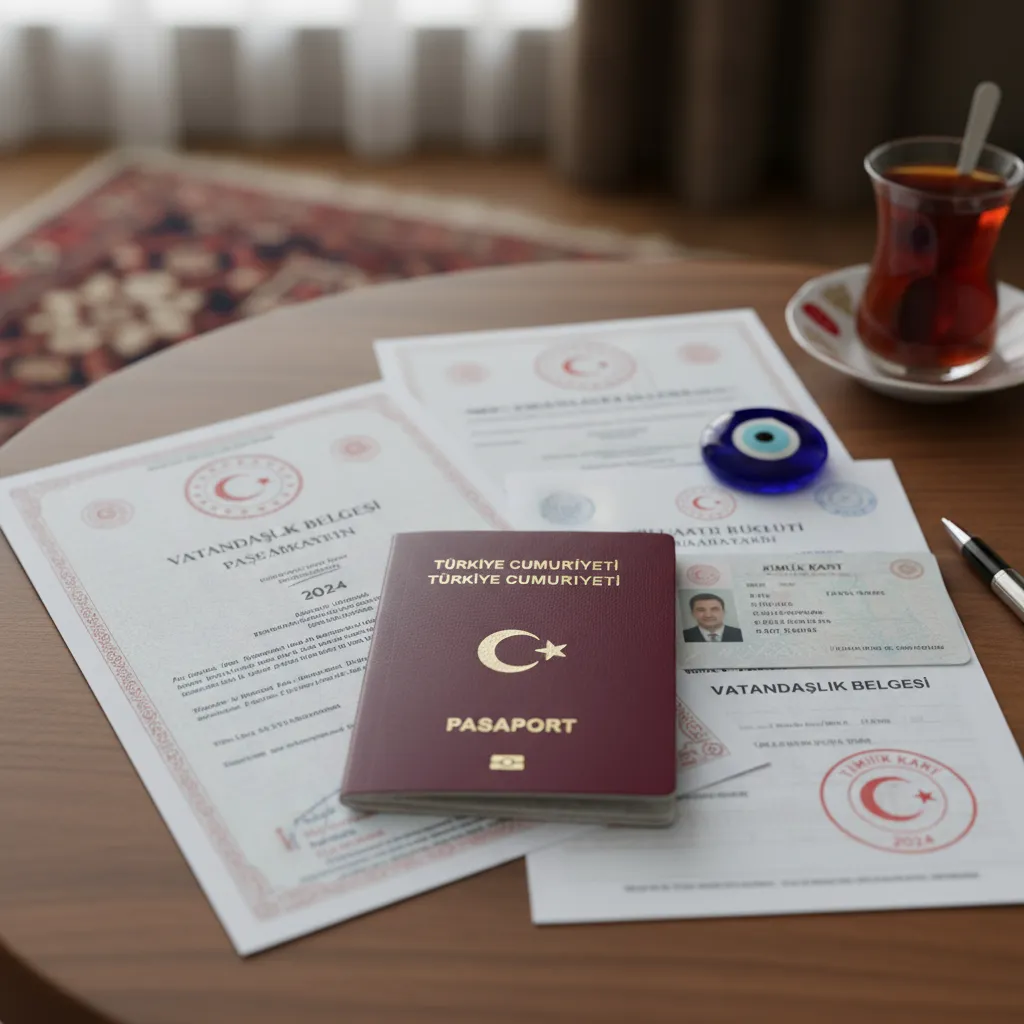
The citizenship application requires extensive documentation, including:
- Official property deed (Tapu) registered with Turkish authorities
- Bank receipts showing foreign currency transfer for the full purchase amount
- Professional appraisal report confirming property value
- Title insurance and property insurance documentation
- Tax clearance certificates and municipal compliance documents
All foreign documents must be apostilled and translated into Turkish by certified translators. This documentation process can take 2-4 weeks, so investors should plan accordingly.
Get a free consultation now, and let us help you choose the right property.
Prime Locations for Citizenship Investment Apartments
Istanbul: The Commercial and Cultural Hub
Beyoğlu and Taksim Districts
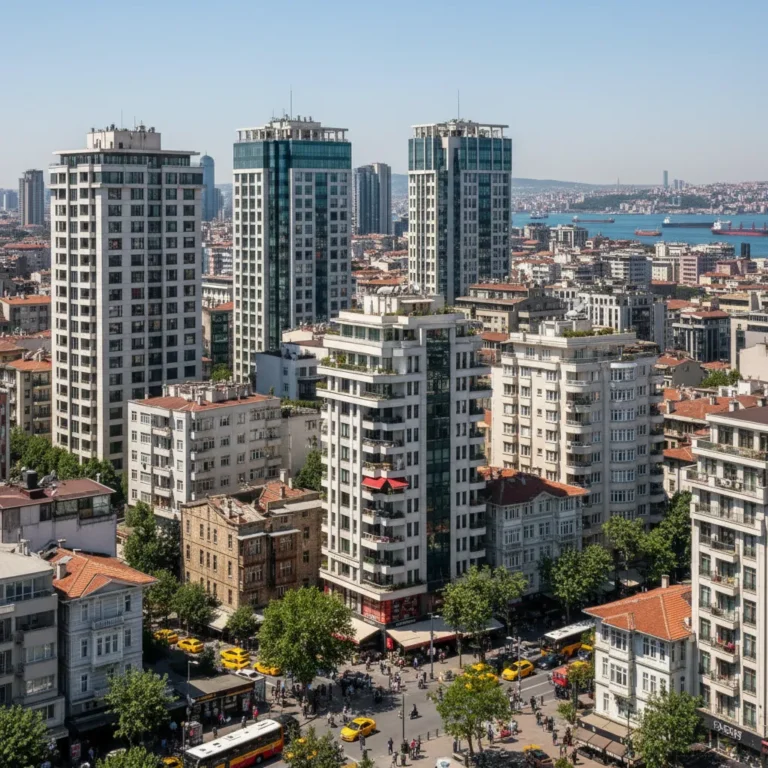
Beyoğlu, encompassing the famous Taksim area, represents one of Istanbul’s most dynamic investment zones. Apartments in this district typically range from $450,000 to $800,000 USD, offering excellent rental yields and capital appreciation potential. The area’s rich cultural heritage, combined with modern amenities and transportation links, makes it highly attractive to both investors and tenants.
Properties in Beyoğlu benefit from proximity to major business centers, international schools, and cultural attractions. The district’s ongoing urban renewal projects continue to enhance property values, making it an ideal choice for citizenship investment.
Şişli and Mecidiyeköy Business Districts
Şişli, particularly the Mecidiyeköy area, serves as Istanbul’s primary business district. Apartments here command premium prices, typically starting at $500,000 USD for citizenship-eligible properties. The area’s concentration of multinational corporations, shopping centers, and luxury hotels creates strong rental demand from expatriate professionals.
Investment apartments in Şişli offer excellent infrastructure, including metro connections, international hospitals, and premium shopping facilities. The district’s planned development projects, including new office towers and residential complexes, suggest continued appreciation potential.
Kadıköy and Asian Side Opportunities
Istanbul’s Asian side, particularly Kadıköy, offers more affordable entry points for citizenship investment while maintaining strong growth potential. Apartments suitable for citizenship typically range from $400,000 to $600,000 USD, providing better value compared to European side equivalents.
Kadıköy’s vibrant cultural scene, excellent transportation connections via ferry and metro, and growing expatriate community make it increasingly popular among international investors. The area’s authentically Turkish character, combined with modern amenities, appeals to investors seeking cultural immersion alongside financial returns.
Ankara: The Capital Advantage
Çankaya and Kızılay Central Districts
Ankara’s central districts offer unique advantages for citizenship investment, including lower property prices and stable rental markets driven by government employment and diplomatic presence. Apartments in Çankaya and Kızılay typically range from $350,000 to $550,000 USD, often providing larger living spaces compared to Istanbul equivalents.
The capital’s planned urban development projects, including new metro lines and commercial centers, support long-term appreciation potential. Additionally, Ankara’s role as Turkey’s political center ensures continued economic stability and growth.
Ümitköy and Suburban Growth Areas
Ankara’s suburban districts like Ümitköy offer excellent value for citizenship investment, with modern apartment complexes starting around $400,000 USD. These areas provide family-friendly environments with international schools, shopping centers, and recreational facilities.
The ongoing expansion of Ankara’s urban boundaries and infrastructure development in these areas suggests strong appreciation potential over the three-year holding period required for citizenship maintenance.
Izmir: The Aegean Pearl
Alsancak and Kordon Waterfront
Izmir’s Alsancak district, particularly properties along the famous Kordon waterfront, offers premium investment opportunities with stunning sea views and cultural richness. Citizenship-eligible apartments typically range from $450,000 to $700,000 USD, with waterfront properties commanding premium prices.
The area’s combination of historical significance, modern amenities, and Mediterranean lifestyle attracts both Turkish and international residents. Izmir’s growing reputation as a tech hub and startup ecosystem center supports rental demand and property appreciation.
Bornova and University Districts
Bornova, home to several universities including Ege University, provides stable rental income potential through student and academic housing demand. Investment apartments suitable for citizenship typically range from $400,000 to $500,000 USD, offering good value in Turkey’s third-largest city.
The district’s educational institutions, combined with ongoing urban development projects, create a stable investment environment with moderate but consistent returns.
Types of Apartments Suitable for Turkish Citizenship Investment
Luxury Residential Complexes
High-End Amenities and Services
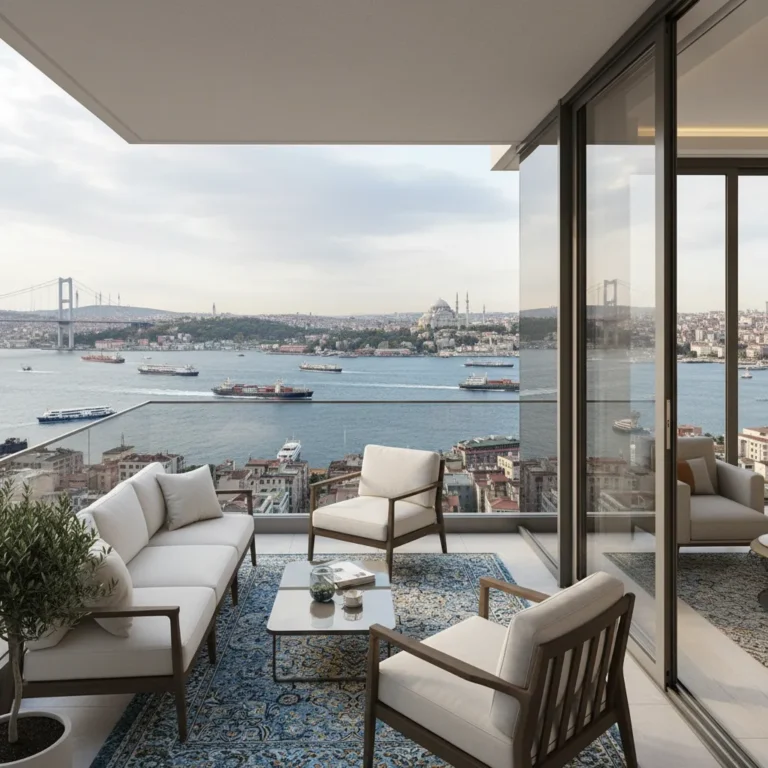
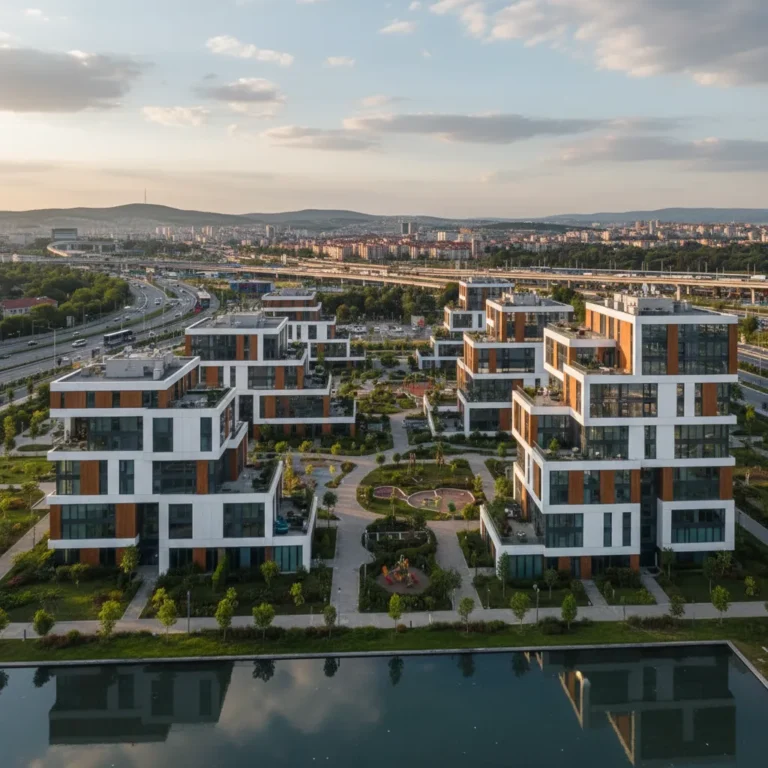
Luxury residential complexes represent the premium tier of citizenship investment properties, typically featuring comprehensive amenity packages including fitness centers, swimming pools, concierge services, and security systems. These properties usually exceed the minimum investment threshold significantly, ranging from $600,000 to $1,500,000 USD.
Investment in luxury complexes offers several advantages: higher rental yields from affluent tenants, better capital appreciation potential, and enhanced lifestyle benefits for investors who choose to reside in their properties. Many luxury developments also include hotel-style services, making them attractive to short-term rental markets.
Brand-Name Developer Projects
Properties developed by renowned Turkish and international developers command premium prices but offer greater investment security and resale potential. Brands like Emlak Konut, TOKİ, and international partners create properties with superior build quality, innovative designs, and comprehensive warranties.
These developments often feature smart home technologies, energy-efficient systems, and sustainable design elements that appeal to environmentally conscious investors and tenants. The brand recognition also facilitates easier resale after the three-year holding period.
Mid-Range Investment Properties
Balanced Value and Quality
Mid-range apartments, typically priced between $400,000 and $600,000 USD, offer the best balance of affordability and quality for citizenship investment. These properties usually feature modern amenities, good locations, and solid build quality without the premium pricing of luxury developments.
Mid-range properties often provide better rental yields as a percentage of investment, making them attractive for investors prioritizing income generation. They also offer more flexibility in tenant targeting, appealing to both middle-class Turkish families and expatriate professionals.
Emerging Neighborhood Opportunities
Properties in developing neighborhoods offer significant appreciation potential as urban expansion and infrastructure development enhance area desirability. These investments require more research and risk tolerance but can provide superior returns over the holding period.
Investors should focus on areas with planned metro extensions, new commercial developments, or government urban renewal projects. These catalysts typically drive property values higher over 3-5 year periods.
New Construction vs. Resale Properties
New Construction Advantages
New construction properties offer several benefits for citizenship investment, including modern building standards, energy efficiency, warranty coverage, and the latest amenities. Buyers can often customize finishes and layouts to their preferences, creating more personalized investment properties.
New developments also typically feature better financing options, with developers offering attractive payment plans and foreign buyer incentives. The ability to purchase off-plan can provide cost savings and appreciation potential during construction periods.
Resale Market Opportunities
The resale market offers immediate occupancy and established neighborhood character, allowing investors to better assess actual rental potential and community dynamics. Resale properties may also offer better negotiation opportunities, particularly in buyer’s market conditions.
Experienced investors often prefer resale properties for their transparency regarding actual operating costs, maintenance requirements, and neighborhood stability. The due diligence process is more straightforward with existing properties having established track records.

Get a free consultation now, and let us help you choose the right property.
Financial Considerations and Investment Analysis
Total Cost of Ownership
Purchase-Related Expenses
Beyond the minimum $400,000 USD property investment, buyers must budget for additional costs that typically add 8-12% to the total investment. These include:
- Property transfer tax (4% of declared property value)
- Legal fees ($3,000-5,000 USD for comprehensive representation)
- Property appraisal fees ($500-800 USD)
- Translation and notarization costs ($1,000-1,500 USD)
- Title insurance and property insurance ($1,500-3,000 USD annually)
- Bank transfer fees and currency conversion costs ($2,000-4,000 USD)
Investors should budget approximately $450,000-480,000 USD total for a minimum citizenship investment, including all associated costs and the first year’s carrying expenses.
Ongoing Carrying Costs
Annual carrying costs for citizenship investment properties typically range from 2-4% of property value, including:
- Property taxes (0.1-0.6% annually depending on location and property type)
- Building maintenance fees ($100-500 USD monthly for apartment complexes)
- Property insurance ($1,000-2,500 USD annually)
- Property management fees if using rental management services (8-12% of rental income)
- Utilities and basic services if maintaining vacant property ($200-400 USD monthly)
Rental Income Potential
Long-Term Rental Markets
Turkish rental markets vary significantly by location and property type. Prime Istanbul locations can generate 4-7% annual rental yields, while secondary cities typically offer 5-8% yields. Luxury properties often command premium rents but may experience longer vacancy periods.
Long-term rental strategies provide stable income streams and lower management intensity. Properties in business districts and near transportation hubs typically achieve higher occupancy rates and rental premiums.
Short-Term Rental Opportunities
Turkey’s growing tourism industry creates opportunities for short-term rental income through platforms like Airbnb and Booking.com. Well-located properties in tourist areas can generate 8-15% annual returns, though this strategy requires more active management and higher operational costs.
Short-term rentals work best in central locations with tourist attractions, business centers, or transportation hubs. Investors should research local regulations regarding short-term rentals, as some municipalities have specific licensing requirements.
Currency Considerations and Hedging
Turkish Lira Fluctuation Impact
While citizenship investment must be made in USD, ongoing expenses and rental income are typically denominated in Turkish Lira. Currency fluctuations can significantly impact investment returns, particularly for investors whose base currency is USD or EUR.
Investors should consider currency hedging strategies or focus on properties that can command foreign currency rents, such as luxury developments in international business districts or tourist areas.
Foreign Exchange Strategy
Successful citizenship investors often develop comprehensive foreign exchange strategies, including:
- Timing property purchases during favorable exchange rate periods
- Maintaining USD or EUR rental agreements where possible
- Using forward contracts to hedge major expense payments
- Diversifying currency exposure through property location selection
Due Diligence and Property Evaluation Process
Legal Due Diligence Requirements
Title and Ownership Verification
Comprehensive title searches are essential for citizenship investment properties. Investors must verify clear ownership, absence of liens or encumbrances, and compliance with zoning regulations. This process typically requires engaging qualified Turkish legal counsel with real estate expertise.
The due diligence process should include verification of building permits, occupancy certificates, and compliance with current building codes. Properties lacking proper documentation can jeopardize citizenship applications and create legal complications.
Regulatory Compliance Assessment
Properties must comply with all applicable Turkish regulations, including environmental standards, building codes, and municipal requirements. Non-compliant properties may face enforcement actions that could affect investment value and citizenship eligibility.
Investors should request comprehensive compliance reports from qualified professionals, including structural engineers, environmental consultants, and legal experts familiar with Turkish property law.
Physical Property Inspection
Building Quality and Condition Assessment
Professional property inspections are crucial for citizenship investment properties, particularly for resale properties. Inspections should cover structural integrity, mechanical systems, electrical systems, and overall building condition.
Turkey’s seismic activity requires special attention to earthquake resistance and building code compliance. Properties in earthquake zones should have current seismic assessments and appropriate insurance coverage.
Amenity and Infrastructure Evaluation
Investment properties should be evaluated for their amenity packages, infrastructure quality, and ongoing maintenance standards. Well-maintained properties with comprehensive amenities typically achieve higher rental rates and better capital appreciation.
Investors should assess building management quality, reserve fund adequacy, and long-term capital improvement plans. These factors significantly impact ongoing investment performance and resident satisfaction.
Market Analysis and Comparable Sales
Neighborhood Market Dynamics
Comprehensive market analysis should include recent comparable sales, rental rate trends, vacancy rates, and planned development projects. This analysis helps investors understand fair market value and future appreciation potential.
Successful investors often engage local real estate professionals with detailed market knowledge and access to comprehensive market data. This expertise is particularly valuable in rapidly changing Turkish real estate markets.
Investment Performance Projections
Financial projections should include realistic scenarios for rental income, operating expenses, capital appreciation, and exit strategies. Conservative projections help investors make informed decisions and avoid over-leveraging their investments.
Projections should account for currency fluctuations, changing market conditions, and potential regulatory changes affecting foreign property ownership or citizenship requirements.
The Purchase Process and Timeline
Initial Property Selection and Negotiation
Property Search and Screening
The property search process typically begins 3-6 months before intended purchase, allowing time for comprehensive market research and due diligence. Investors should establish clear criteria including location preferences, property type, budget parameters, and investment objectives.
Working with qualified real estate agents who specialize in citizenship investment properties can streamline the search process and provide access to suitable properties. These professionals understand the specific requirements for citizenship eligibility and can pre-screen properties accordingly.
Offer and Contract Negotiation
Purchase negotiations in Turkey often involve significant back-and-forth, with initial asking prices typically set 10-20% above expected selling prices. Investors should be prepared for extended negotiation periods and consider engaging local representation familiar with Turkish negotiation customs.
Purchase contracts should include specific provisions protecting citizenship investment objectives, including clauses addressing valuation requirements, currency conversion, and timeline considerations for citizenship application preparation.
Legal and Financial Processing
Legal Documentation and Review
Legal processing typically requires 4-6 weeks from contract execution to closing, allowing time for comprehensive due diligence, document preparation, and regulatory approvals. All contracts and legal documents must be prepared in Turkish with certified translations provided for foreign investors.
The legal process includes title searches, lien investigations, zoning compliance verification, and preparation of all documentation required for citizenship application submission. Experienced legal counsel is essential for navigating Turkish property law and ensuring compliance with all requirements.
Banking and Currency Transfer
Foreign currency transfers for citizenship investment must be properly documented and reported to Turkish authorities. Investors typically work with Turkish banks that specialize in foreign investment transactions and understand citizenship program requirements.
The banking process includes opening Turkish bank accounts, obtaining required currency conversion documentation, and ensuring proper reporting of foreign investment. Banks typically require 5-10 business days to process large foreign currency transfers and provide required documentation.
Closing and Post-Purchase Activities
Property Transfer and Registration
Property closing occurs at Turkish Land Registry offices (Tapu Müdürlüğü) with all parties present or represented by authorized agents. The closing process includes final document review, payment transfer, and official property registration in the buyer’s name.
Post-closing activities include obtaining property insurance, setting up utilities, and beginning the citizenship application process. Investors should also establish property management arrangements if they don’t plan to personally manage their properties.
Citizenship Application Initiation
Citizenship applications can be submitted immediately following property registration, though many investors prefer to wait 30-60 days to ensure all documentation is properly processed and available. The application process typically requires 3-6 months for completion, depending on application volume and complexity.
Application preparation includes gathering all required personal documents, obtaining required translations and apostilles, and working with qualified immigration attorneys familiar with Turkish citizenship law.
Post-Purchase Management and Optimization
Property Management Strategies
Self-Management vs. Professional Services
Investors must decide between self-managing their properties or engaging professional management services. Self-management offers cost savings but requires significant time investment and local market knowledge. Professional management typically costs 8-12% of rental income but provides comprehensive services including tenant screening, rent collection, and maintenance coordination.
International investors often prefer professional management services, particularly for the first few years while familiarizing themselves with Turkish rental markets and regulations. Many management companies offer specialized services for foreign property owners, including multilingual communication and international banking coordination.
Tenant Selection and Retention
Successful rental management requires careful tenant screening, competitive rental pricing, and proactive tenant retention strategies. Turkish rental markets favor long-term tenancies, with many leases spanning 2-3 years with annual rent adjustments.
Quality tenants typically include expatriate professionals, diplomatic personnel, and affluent Turkish families. These tenant segments often pay premium rents and maintain properties well, contributing to long-term investment success.
Property Maintenance and Improvement
Preventive Maintenance Programs
Comprehensive maintenance programs protect property values and ensure tenant satisfaction. Turkish climate conditions, particularly in coastal areas, require regular attention to building exteriors, mechanical systems, and common areas.
Preventive maintenance typically costs 1-2% of property value annually but can prevent major repairs and maintain premium rental rates. Many apartment complexes have established maintenance programs managed by building administrators.
Value-Added Improvements
Strategic property improvements can enhance rental income and property values. Popular improvements include kitchen and bathroom upgrades, air conditioning installation, smart home features, and energy efficiency improvements.
Improvement projects should be carefully planned to ensure positive return on investment. Many improvements popular with international tenants, such as modern appliances and high-speed internet infrastructure, command rental premiums in competitive markets.
Financial Management and Optimization
Income and Expense Tracking
Comprehensive financial record-keeping is essential for tax compliance, performance analysis, and eventual property sale preparation. Investors should maintain detailed records of all income, expenses, improvements, and currency transactions.
Many investors use property management software or engage professional bookkeeping services to maintain accurate financial records. These records are particularly important for foreign investors who may have tax obligations in multiple jurisdictions.
Tax Planning and Compliance
Turkish property ownership creates various tax obligations, including annual property taxes, rental income taxes, and potential capital gains taxes upon sale. Foreign investors may also have tax obligations in their home countries, requiring careful tax planning and professional guidance.
Tax planning strategies may include timing of improvements, structuring of ownership entities, and coordination with international tax treaties. Professional tax advice is recommended for all foreign property investors in Turkey.
Exit Strategies and Long-Term Planning
Sale Preparation and Market Timing
Three-Year Holding Period Compliance
The mandatory three-year holding period for citizenship investment creates specific constraints and opportunities for exit planning. Investors must maintain ownership for the full period to preserve citizenship eligibility, but can begin sale preparation during the final year.
Sale preparation should begin 6-12 months before the three-year anniversary, allowing time for property improvements, market analysis, and buyer identification. Properties maintained in excellent condition throughout the holding period typically achieve better sale prices.
Market Timing Considerations
Turkish real estate markets are cyclical, with seasonal patterns and economic cycles affecting sale prices and buyer demand. Spring and fall typically offer the best selling conditions, with higher buyer activity and more favorable weather for property showings.
Economic conditions, currency exchange rates, and government policies can significantly impact sale timing and pricing. Investors should monitor market conditions throughout their holding period to identify optimal sale windows.
Alternative Exit Strategies
Continued Rental Investment
Many citizenship investors choose to maintain their properties as long-term rental investments after completing the three-year requirement. This strategy works well for properties in strong rental markets with consistent appreciation potential.
Long-term rental strategies require ongoing management commitment but can provide steady income streams and continued exposure to Turkish real estate appreciation. This approach is particularly attractive for investors satisfied with their citizenship investment performance.
Property Exchange and Upgrading
After the three-year holding period, investors can consider property exchanges or upgrades to larger or better-located properties. This strategy allows continued Turkish real estate exposure while optimizing property portfolios for changing needs or market conditions.
Property exchanges can be structured to minimize tax implications and transaction costs. Professional guidance is recommended for complex exchange transactions involving foreign investors.
Common Challenges and Risk Mitigation
Legal and Regulatory Risks
Changing Citizenship Requirements
Government policies regarding citizenship investment can change, potentially affecting future applicants or existing citizens. While current citizenship holders are typically grandfathered under existing rules, investors should stay informed about potential regulatory changes.
Risk mitigation includes working with experienced immigration attorneys, maintaining compliance with all current requirements, and developing contingency plans for potential policy changes.
Property Law Complications
Turkish property law can be complex, particularly for foreign investors unfamiliar with local regulations and procedures. Common issues include title complications, zoning changes, building code violations, and neighborhood disputes.
Professional legal representation throughout the ownership period helps identify and resolve issues before they become major problems. Regular legal reviews can ensure continued compliance and protect investment values.
Market and Economic Risks
Currency Fluctuation Impact
Turkish Lira volatility can significantly impact investment returns for foreign investors. Currency devaluation can reduce property values when converted to foreign currencies, while inflation can increase operating costs faster than rental income growth.
Currency risk mitigation strategies include maintaining foreign currency rental agreements where possible, hedging major transactions, and focusing on properties that attract international tenants willing to pay foreign currency rents.
Market Oversupply Concerns
Rapid construction in some Turkish markets has created oversupply concerns in certain property segments and locations. Oversupply can depress rental rates, increase vacancy periods, and limit capital appreciation potential.
Market research and professional guidance help investors avoid oversupplied markets and identify areas with better supply-demand balance. Focusing on unique properties or underserved market segments can provide protection against oversupply impacts.
Operational and Management Challenges
Distance Management Issues
International investors often struggle with distance management of Turkish properties, particularly regarding tenant relations, maintenance oversight, and emergency responses. Language barriers and time zone differences can complicate management activities.
Professional property management services, modern communication technologies, and regular property visits help address distance management challenges. Many successful investors establish local support networks including property managers, attorneys, and trusted contractors.
Cultural and Business Practice Differences
Turkish business practices and cultural norms may differ significantly from investors’ home countries, potentially creating misunderstandings or complications in property management and tenant relations.
Cultural education, local professional relationships, and patience help foreign investors navigate Turkish business environments successfully. Many investors find that understanding and respecting local customs enhances their investment experience and outcomes.
Future Outlook and Market Trends
Turkish Real Estate Market Projections
Demographic and Economic Drivers
Turkey’s growing population, urbanization trends, and economic development continue to drive real estate demand. Major cities are experiencing continued growth in high-skilled employment, supporting demand for quality rental properties.
Government infrastructure investments, including new transportation systems and urban development projects, are creating new growth areas and enhancing property values in previously underdeveloped neighborhoods.
International Investment Trends
Turkish citizenship by investment continues to attract international investors, particularly from Middle Eastern, European, and Asian markets. This sustained demand supports property values and rental markets in prime investment areas.
Evolving international mobility needs and citizenship diversification strategies suggest continued strong demand for Turkish citizenship investment opportunities, supporting long-term market stability.
Technology and Innovation Impact
PropTech Integration
Turkish real estate markets are increasingly adopting property technology solutions, including virtual reality showings, digital transaction processing, and smart building management systems. These innovations are enhancing property values and operational efficiency.
Investors should consider properties with modern technology infrastructure and smart building features, as these amenities are becoming increasingly important to tenants and buyers.
Sustainable Development Focus
Environmental sustainability and energy efficiency are becoming increasingly important in Turkish real estate markets. Properties with green building certifications and energy-efficient systems are commanding premium rents and sale prices.
Future investment strategies should consider sustainability features and environmental compliance, as these factors are likely to become increasingly important for property values and marketability.
Conclusion
Apartments suitable for Turkish citizenship represent a unique investment opportunity combining real estate returns with citizenship benefits. Success in this market requires comprehensive understanding of legal requirements, careful property selection, and professional management throughout the ownership period.
The Turkish citizenship by investment program offers compelling advantages for international investors, including relatively low investment thresholds, attractive property markets, and valuable citizenship benefits. However, success requires careful planning, professional guidance, and realistic expectations regarding returns and challenges.
Investors who approach Turkish citizenship investment with thorough preparation, appropriate professional support, and long-term perspectives are well-positioned to achieve both their citizenship objectives and investment goals. The key to success lies in treating the investment as both a pathway to citizenship and a serious real estate investment requiring professional management and ongoing attention.
As Turkish real estate markets continue to evolve and mature, opportunities for citizenship investment are likely to remain attractive for international investors seeking European citizenship and exposure to Turkey’s growing economy. The combination of strategic location, cultural richness, and investment potential makes Turkish citizenship through real estate investment an compelling option for qualified international investors.