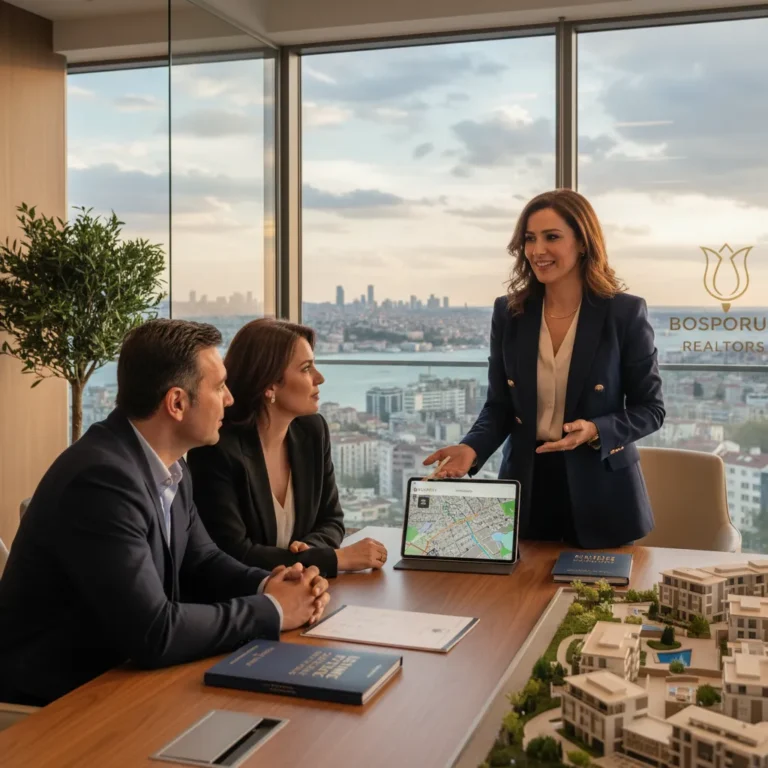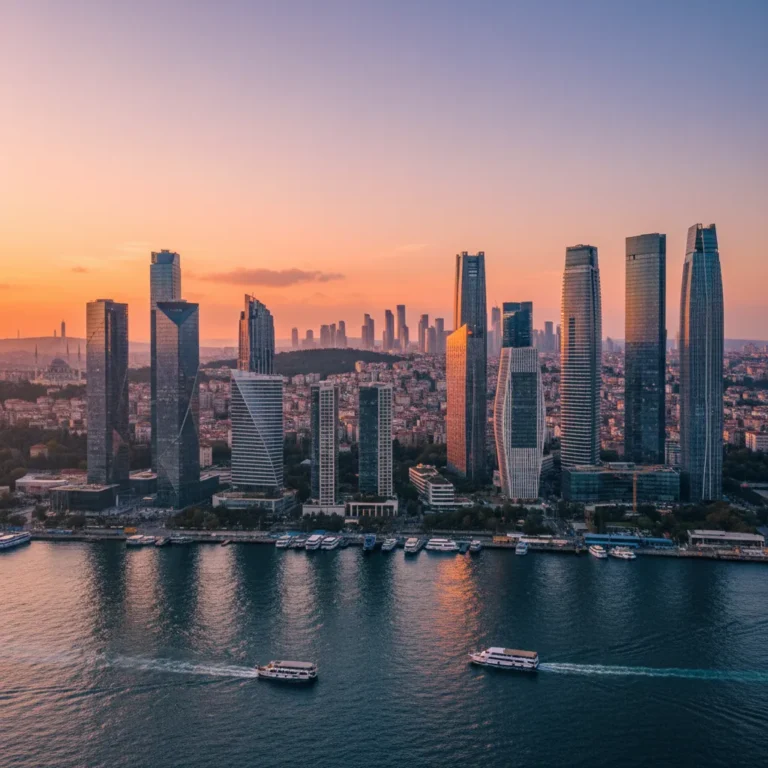
Introduction to Turkey’s Real Estate Market
Turkey’s real estate market has emerged as one of the most dynamic and attractive investment destinations globally, offering exceptional opportunities for both domestic and international buyers. With its strategic location bridging Europe and Asia, robust economic growth, and government-backed investment incentives, Turkey presents a compelling case for property investment in 2026.
The Turkish property market has experienced remarkable transformation over the past decade, with modern infrastructure developments, urban renewal projects, and favorable legislation creating an environment conducive to real estate investment. Foreign property purchases have increased significantly, driven by the country’s citizenship by investment program and attractive property prices compared to European counterparts.
This comprehensive guide will navigate you through every aspect of buying real estate in Turkey, from understanding market dynamics to completing legal procedures, ensuring you make informed investment decisions in one of the world’s most promising property markets.
Understanding Turkey’s Real Estate Market Landscape
Current Market Trends and Statistics
Turkey’s real estate sector has demonstrated remarkable resilience and growth potential, with property sales to foreigners reaching record levels in recent years. The market has shown consistent appreciation in key metropolitan areas, particularly Istanbul, Ankara, and coastal regions like Antalya and Bodrum.
Property prices in Turkey remain significantly lower than comparable European markets, offering excellent value for money. The average price per square meter varies considerably across regions, with Istanbul commanding premium prices while emerging areas offer substantial growth potential. Construction quality has improved dramatically, with many developments meeting international standards and incorporating modern amenities.
Key Investment Drivers
Several factors contribute to Turkey’s attractive real estate investment environment. The government’s commitment to infrastructure development, including major transportation projects like the Istanbul Canal and new airport facilities, has enhanced property values in strategic locations. Additionally, Turkey’s young and growing population creates sustained demand for housing, supporting long-term market stability.
The tourism sector’s continued growth also drives demand for vacation properties and rental investments, particularly in coastal areas. Turkey’s strategic position as a business hub connecting Europe, Asia, and the Middle East attracts international companies and expatriate workers, creating demand for quality residential and commercial properties.
Legal Framework and Foreign Ownership Rights
Foreign Property Ownership Laws
Turkey permits foreign nationals to purchase real estate with certain restrictions and requirements. The Reciprocity Law governs foreign ownership, allowing citizens from countries that grant similar rights to Turkish nationals to buy property in Turkey. Most European Union countries, the United States, and many other nations have reciprocal agreements with Turkey.
Foreign buyers can purchase up to 30 hectares of land, and the total foreign-owned land in any district cannot exceed 10% of the district’s area. Military zones and certain strategic areas are restricted from foreign ownership. These regulations ensure national security while maintaining an open investment environment.
Required Documentation and Legal Procedures
The property purchase process requires specific documentation and legal procedures. Buyers must obtain a Tax Identification Number from Turkish tax authorities and open a Turkish bank account. Essential documents include a valid passport, proof of reciprocity from the buyer’s home country, and various certificates depending on the property type and location.
All foreign buyers must undergo a security clearance process conducted by relevant authorities. This typically takes 30-45 days and involves background checks to ensure compliance with Turkish security requirements. The process is straightforward for most legitimate buyers but adds an important security layer to property transactions.
Get a free consultation now, and let us help you choose the right property.
احصل على أسعار حصرية وخطط دفع مرنة وفرص استثمار بعوائد مرتفعة
Turkish Citizenship Through Real Estate Investment
Citizenship by Investment Program Overview
Turkey’s citizenship by investment program offers one of the most accessible paths to European citizenship through real estate investment. The program requires a minimum investment of $400,000 in Turkish real estate, with a commitment to hold the property for at least three years. This threshold was reduced from $1 million in 2018, making it highly attractive to international investors.
The citizenship program extends to the investor’s spouse and children under 18, providing a comprehensive family solution. Turkish citizenship offers visa-free travel to over 110 countries, the right to live and work in Turkey, and potential access to European markets through Turkey’s customs union with the EU.
For detailed information about property valuation requirements for citizenship applications, investors should consult comprehensive resources on Property Valuation for Turkish Citizenship: Complete Guide 2026, which provides essential insights into the valuation process and requirements.
Application Process and Timeline
The citizenship application process typically takes 3-6 months from the date of property purchase. Applicants must provide extensive documentation, including criminal background checks, health certificates, and proof of investment. The process involves multiple government departments and requires careful coordination to ensure timely completion.
Professional assistance is highly recommended for citizenship applications, as the process involves complex legal requirements and strict documentation standards. Experienced lawyers and consultants can navigate bureaucratic procedures efficiently, ensuring compliance with all requirements and maximizing approval chances.
Property Types and Investment Options
Residential Properties
Apartments and Condominiums
Apartments represent the most popular property type for foreign investors in Turkey. Modern apartment complexes offer comprehensive amenities including security systems, fitness centers, swimming pools, and landscaped gardens. These properties typically appreciate well and provide excellent rental yields, particularly in prime locations.
Luxury condominiums in prestigious areas like Sisli, Besiktas, and Kadikoy in Istanbul command premium prices but offer superior investment potential. These properties often feature high-end finishes, smart home technology, and concierge services, appealing to affluent tenants and buyers.
Villas and Houses
Detached villas and houses provide privacy and space, particularly attractive to families and investors seeking larger properties. Coastal villas in areas like Bodrum, Kas, and Kalkan offer exceptional lifestyle benefits and strong rental income potential from tourism. These properties typically require higher maintenance but offer greater appreciation potential.
Traditional Ottoman houses in historic districts provide unique investment opportunities, combining cultural heritage with modern renovation potential. These properties require careful restoration but can yield exceptional returns in tourist-focused markets.
Commercial Real Estate
Office Buildings and Retail Spaces
Commercial real estate offers attractive yields for experienced investors. Office buildings in business districts provide stable rental income from corporate tenants, while retail spaces in shopping centers and high-traffic areas offer growth potential aligned with Turkey’s expanding consumer market.
Mixed-use developments combining residential, commercial, and retail spaces represent emerging investment opportunities. These projects benefit from diversified income streams and reduced vacancy risks, making them attractive for institutional and individual investors.
Industrial and Logistics Properties
Turkey’s strategic location makes industrial and logistics properties increasingly valuable. Warehouse facilities near major ports and transportation hubs benefit from growing trade volumes between Europe and Asia. Manufacturing facilities also present opportunities, particularly in sectors where Turkey maintains competitive advantages.
Prime Investment Locations in Turkey
Istanbul: The Economic Powerhouse
European Side Districts
Istanbul’s European side offers diverse investment opportunities across various price points and property types. Sisli and Besiktas represent premium districts with excellent infrastructure, cultural amenities, and transportation connections. These areas command higher prices but offer strong appreciation potential and rental yields.
Emerging areas like Basaksehir and Esenyurt provide more affordable entry points with significant development potential. New infrastructure projects, including metro extensions and urban renewal initiatives, are driving property values in these districts.
Asian Side Opportunities
The Asian side of Istanbul has gained prominence among investors seeking value and growth potential. Kadikoy and Uskudar offer established neighborhoods with strong rental markets, while areas like Atasehir and Umraniye represent modern business districts with high-quality developments.
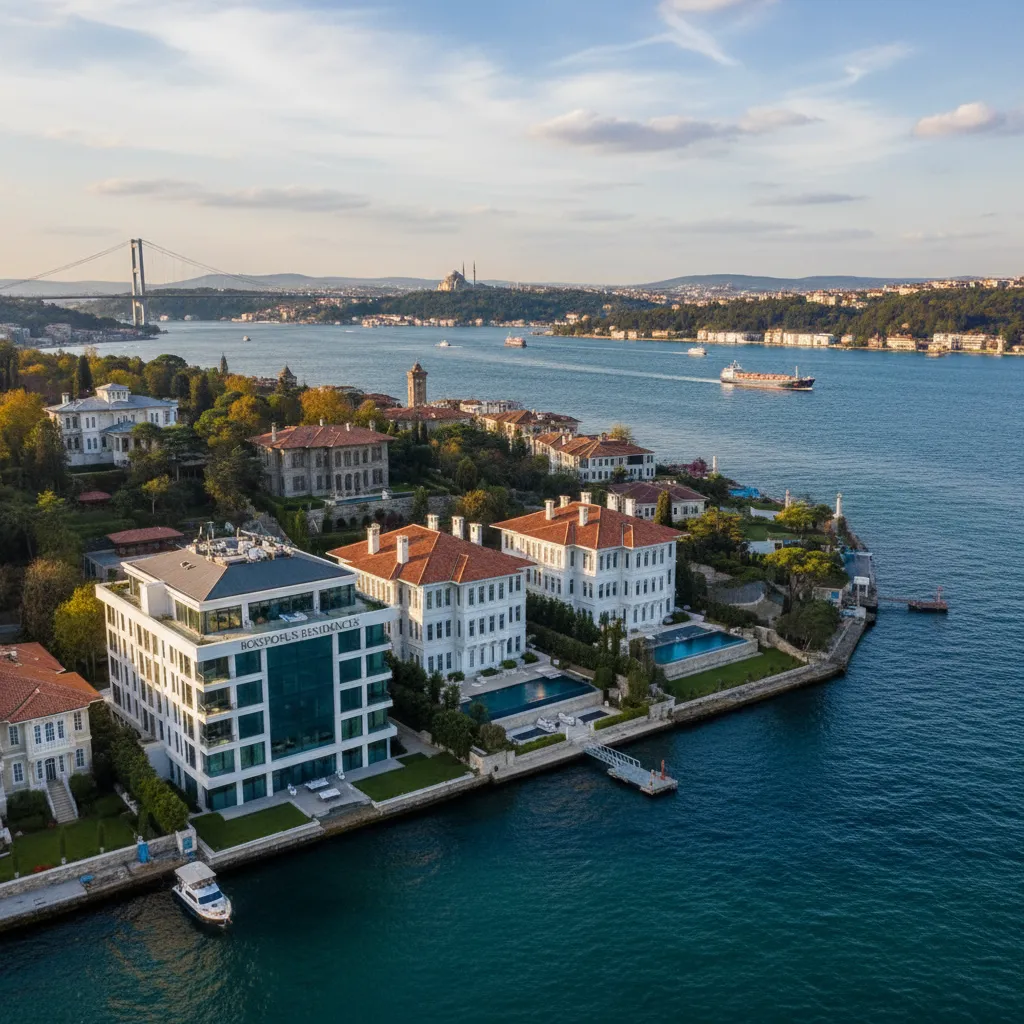
Coastal areas along the Bosphorus provide luxury investment opportunities with exceptional views and prestige. These properties command premium prices but offer unique lifestyle benefits and strong long-term appreciation potential.
Antalya: The Tourism Capital
Antalya’s status as Turkey’s leading tourism destination makes it attractive for vacation property investments. The region offers diverse options from beachfront apartments to mountain villas, catering to various investment strategies and budgets.
Areas like Lara, Konyaalti, and Alanya provide established tourism infrastructure with strong rental markets. New developments often include resort-style amenities and professional management services, making them attractive for passive investors seeking rental income.
Bodrum and Coastal Regions
Bodrum represents Turkey’s most prestigious coastal destination, attracting affluent Turkish and international buyers. The peninsula offers luxury villas, marina developments, and boutique hotels, commanding premium prices and providing exceptional lifestyle benefits.
Other coastal regions like Kas, Kalkan, and Cesme offer more affordable alternatives while maintaining strong tourism appeal. These areas provide opportunities for both vacation homes and rental investments, with growing international recognition driving demand.
Get a free consultation now, and let us help you choose the right property.
احصل على أسعار حصرية وخطط دفع مرنة وفرص استثمار بعوائد مرتفعة
Financial Considerations and Investment Planning
Property Pricing and Valuation
Market Price Analysis
Understanding property pricing in Turkey requires comprehensive market analysis considering location, property type, amenities, and market conditions. Prices vary significantly between regions, with Istanbul commanding the highest prices while emerging areas offer better value propositions.
Professional valuation services are essential for significant investments, particularly for citizenship applications. Certified appraisers provide accurate market valuations considering comparable sales, replacement costs, and income potential, ensuring buyers pay fair market prices.
Price Negotiation Strategies
Effective negotiation can result in significant savings on Turkish property purchases. Market conditions, property condition, seller motivation, and payment terms all influence negotiation outcomes. Cash purchases often command better prices, while developer financing may offer structured payment plans.
Professional representation during negotiations ensures buyers understand market dynamics and achieve favorable terms. Experienced agents and lawyers can identify potential issues and opportunities, maximizing investment value while protecting buyer interests.
Financing Options and Banking
Mortgage Financing for Foreigners
Several Turkish banks offer mortgage financing to foreign buyers, though terms and requirements vary significantly. Loan-to-value ratios typically range from 50-70% for foreign borrowers, with interest rates reflecting current market conditions and borrower qualifications.
Required documentation for mortgage applications includes income verification, bank statements, credit reports, and property appraisals. The approval process typically takes 2-4 weeks, depending on documentation completeness and bank procedures.
Alternative Financing Methods
Developer financing represents an attractive alternative to traditional mortgages, often offering favorable terms and structured payment plans. Many developers provide in-house financing with competitive rates and flexible repayment schedules, particularly for off-plan purchases.
International financing options may also be available through banks in the buyer’s home country, potentially offering better terms for qualified borrowers. Currency hedging strategies should be considered when financing Turkish property purchases with foreign currency loans.
Currency Considerations
Currency fluctuations significantly impact property investments in Turkey, particularly for foreign buyers. Many properties are priced in US dollars or euros, providing some protection against Turkish lira volatility. For those interested in dollar-denominated properties, comprehensive information is available at Apartments for Sale in Dollars in Turkey: Complete Investment Guide.
Timing currency exchanges and considering hedging strategies can optimize investment returns. Professional financial advice is recommended for significant investments, ensuring currency risks are properly managed and investment objectives are achieved.
The Property Purchase Process
Pre-Purchase Due Diligence
Property Research and Selection
Thorough property research forms the foundation of successful real estate investment in Turkey. This involves analyzing location factors, infrastructure development, market trends, and growth potential. Professional market research provides insights into neighborhood dynamics, future development plans, and investment prospects.
Property inspection is crucial, examining construction quality, building systems, legal compliance, and potential issues. Professional building surveys can identify structural problems, maintenance requirements, and renovation costs, ensuring buyers make informed decisions.
Legal Title Verification
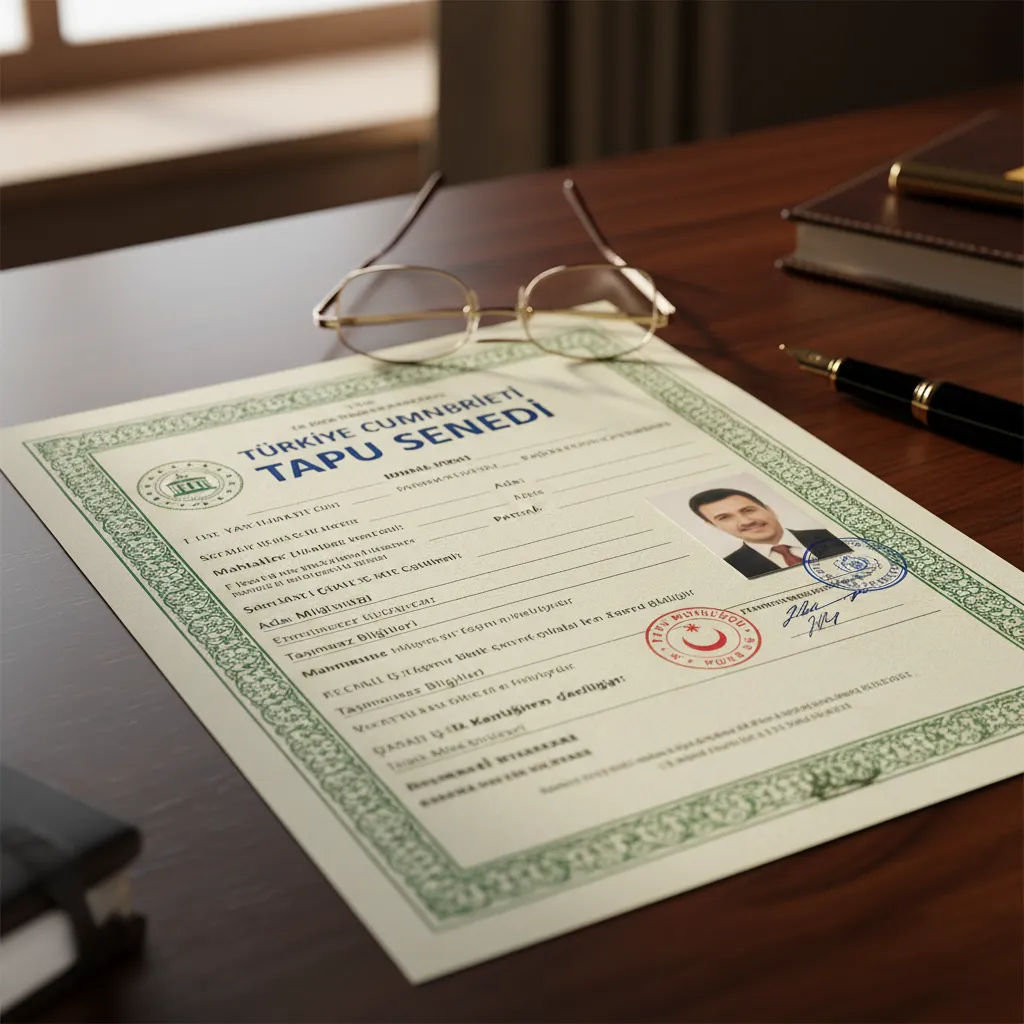
Verifying clear legal title is essential before proceeding with any property purchase. This involves checking the title deed (Tapu), confirming ownership rights, identifying any encumbrances or liens, and ensuring the property can be legally transferred to foreign buyers.
Professional legal assistance is strongly recommended for title verification, as Turkish property law contains specific requirements and potential complications. Experienced lawyers can identify issues early and ensure proper resolution before purchase completion.
Purchase Agreement and Contracts
Contract Terms and Conditions
Property purchase contracts in Turkey must comply with specific legal requirements and include essential terms protecting buyer interests. Key provisions include property description, purchase price, payment schedule, completion timeline, and penalty clauses for non-performance.
Professional contract review ensures all terms are properly understood and protect buyer interests. Experienced lawyers can negotiate favorable terms, identify potential issues, and ensure compliance with Turkish property law requirements.
Deposit and Payment Procedures
Standard practice involves paying a deposit upon contract signing, typically 10-30% of the purchase price. This deposit should be held in escrow or by a reputable law firm to protect buyer interests until completion. Clear payment procedures and timelines should be established in the purchase contract.
International wire transfers require specific documentation and may involve currency exchange considerations. Banks typically require source of funds documentation for large transfers, particularly for citizenship investment purposes.
Completion and Title Transfer
Final Property Inspection
A comprehensive final inspection should be conducted before completion, verifying that the property matches contract specifications and identifying any defects or incomplete work. This inspection should cover all systems, finishes, and included items, with any issues documented for resolution.
For new construction, snagging surveys identify construction defects and incomplete work requiring developer attention. Professional inspection services ensure all issues are properly documented and resolved before final payment and title transfer.
Title Deed Transfer Process
The title deed transfer process occurs at the local Land Registry Office (Tapu Mudurlugu) and requires both buyer and seller presence or authorized representation. Required documents include identity verification, tax clearance certificates, and various official forms completed during the process.
Title transfer fees and taxes must be paid at completion, including title deed fees, stamp duty, and applicable taxes. Professional assistance ensures all requirements are met and the transfer process proceeds smoothly.
Working with Real Estate Professionals
Choosing the Right Real Estate Company
Selecting an experienced and reputable real estate company is crucial for successful property investment in Turkey. The right partner provides market expertise, professional guidance, and ongoing support throughout the purchase process and beyond. For comprehensive guidance on selecting the best real estate partner, investors should review Best Real Estate Company in Turkey: Complete Guide 2026.
Key factors to consider include company reputation, market experience, professional credentials, and client testimonials. Established companies with strong track records provide confidence and expertise, while newer firms may offer personalized service and competitive pricing.
Legal Representation
Importance of Professional Legal Advice
Professional legal representation is essential for foreign property buyers in Turkey, ensuring compliance with all legal requirements and protecting buyer interests throughout the transaction process. Experienced property lawyers understand Turkish real estate law, identify potential issues, and provide solutions ensuring successful completion.
Legal services typically include contract review, due diligence assistance, title verification, and representation during the completion process. For citizenship applications, specialized lawyers familiar with investment requirements and application procedures provide essential expertise.
Legal Fee Structure
Legal fees for property purchases typically range from 1-2% of the property value, depending on transaction complexity and services required. Some lawyers offer fixed fee arrangements for standard transactions, while complex cases may require hourly billing structures.
Citizenship application legal services often involve additional fees covering application preparation, document translation, and government liaison services. Clear fee agreements should be established upfront, ensuring all costs are understood and agreed upon.
Tax Implications and Ongoing Costs
Purchase-Related Taxes and Fees
Title Deed Fee and Stamp Duty
Property purchases in Turkey involve several taxes and fees that buyers must consider in their investment calculations. The title deed fee represents 4% of the property’s declared value, typically split equally between buyer and seller. However, negotiations may result in different arrangements.
Additional costs include stamp duty, notary fees, translation services, and various administrative charges. These costs typically add 5-7% to the property purchase price and should be factored into investment budgets and financing arrangements.
VAT and Property Taxes
Value Added Tax (VAT) applies to new properties at rates varying from 1-18% depending on property size and value. First-time buyers may qualify for reduced VAT rates on properties meeting specific criteria. Used properties are generally exempt from VAT but may involve other transfer taxes.
Annual property taxes are relatively low in Turkey, typically 0.1-0.6% of the property’s assessed value. These taxes support local services and infrastructure, with rates varying by municipality and property type.
Ongoing Ownership Costs
Maintenance and Management Fees
Apartment complexes and gated communities typically charge monthly maintenance fees covering common area upkeep, security services, and facility management. These fees vary significantly based on property type, amenities, and location, ranging from modest amounts for basic services to substantial fees for luxury developments.
Property management services are available for investors seeking passive investment approaches. Professional management companies handle tenant relations, maintenance coordination, and rental collection, typically charging 8-15% of rental income.
Utility and Service Costs
Utility costs in Turkey are generally reasonable compared to European standards. Electricity, gas, water, and internet services are widely available and competitively priced. Energy-efficient properties with modern systems typically have lower utility costs and higher tenant appeal.
Insurance costs for property protection are relatively low but provide essential coverage for natural disasters, theft, and liability. Comprehensive insurance policies typically cost 0.1-0.3% of property value annually.
Investment Strategies and Return Optimization
Rental Investment Strategies
Long-term Rental Markets
Long-term rental investments provide stable income streams and lower management requirements compared to short-term alternatives. Target markets include young professionals, expatriate workers, and local families seeking quality accommodation in desirable locations.
Rental yields vary significantly by location and property type, with well-located apartments in major cities typically yielding 4-8% annually. Professional market analysis helps identify optimal rental strategies and pricing approaches for maximum returns.
Short-term and Vacation Rentals
Tourism-focused properties can generate higher yields through short-term rentals, particularly in coastal areas and major cities. However, this strategy requires more active management and involves seasonal income variations and higher operational costs.
Successful vacation rental operations require professional marketing, quality furnishing, and responsive management services. Many investors partner with specialized management companies to optimize occupancy rates and guest satisfaction.
Capital Appreciation Strategies
Growth Area Identification
Identifying emerging growth areas provides opportunities for significant capital appreciation over time. Factors indicating growth potential include infrastructure development, urban renewal projects, transportation improvements, and demographic trends.
Professional market research and local expertise help identify areas poised for growth before mainstream recognition drives price increases. Early investment in these areas can yield substantial returns as development progresses.
Value-Add Opportunities
Properties requiring renovation or improvement offer value-add opportunities for experienced investors. Strategic improvements can significantly increase property values and rental potential, providing enhanced returns for investors willing to manage renovation projects.
Successful value-add strategies require accurate cost estimation, quality contractor selection, and understanding of market preferences. Professional project management ensures renovations are completed on time and budget while maximizing value creation.
Market Risks and Mitigation Strategies
Economic and Political Risk Factors
Currency Volatility Management
Currency fluctuations represent significant risks for foreign property investors in Turkey. The Turkish lira’s volatility can impact investment returns, particularly for investors converting foreign currency for purchases or repatriating rental income.
Risk mitigation strategies include purchasing properties priced in hard currencies, maintaining foreign currency accounts, and using hedging instruments for large investments. Professional financial advice helps develop appropriate currency risk management strategies.
Political and Regulatory Changes
Political developments and regulatory changes can impact property markets and investment returns. Staying informed about policy developments and maintaining flexibility in investment strategies helps navigate changing conditions successfully.
Working with experienced local professionals provides insights into political and regulatory trends, ensuring investment strategies remain aligned with current conditions and future prospects.
Market-Specific Risks
Oversupply and Market Saturation
Rapid development in some areas may create oversupply conditions, impacting rental rates and property values. Careful market analysis and diversification across locations and property types help mitigate these risks.
Professional market research identifies supply and demand dynamics, helping investors avoid oversupplied markets and focus on areas with sustainable growth prospects.
Natural Disaster Considerations
Turkey’s location in a seismically active region requires consideration of earthquake risks in investment decisions. Modern construction standards and building codes provide significant protection, but location and construction quality remain important factors.
Comprehensive insurance coverage and selecting properties built to current seismic standards help protect investments against natural disaster risks. Professional building assessments can evaluate seismic safety and construction quality.
Future Market Outlook and Trends
Infrastructure Development Impact
Turkey’s ambitious infrastructure development program continues driving property market growth and creating new investment opportunities. Major projects including transportation networks, urban renewal initiatives, and smart city developments enhance property values and market prospects.
The Istanbul Canal project, new airport facilities, and expanded metro systems represent transformational infrastructure investments creating long-term property value appreciation. Understanding these developments helps identify optimal investment locations and timing.
Demographic and Economic Trends
Turkey’s young and growing population creates sustained housing demand supporting long-term market stability. Urbanization trends and changing lifestyle preferences drive demand for modern, well-located properties with comprehensive amenities.
Economic diversification and growing service sectors create employment opportunities attracting domestic and international residents. These trends support rental markets and property values in major urban centers.
Conclusion
Turkey’s real estate market presents exceptional opportunities for informed investors seeking diversification, growth potential, and lifestyle benefits. The combination of attractive pricing, government incentives, strategic location, and growing economy creates a compelling investment environment for 2026 and beyond.
Success in Turkish real estate requires thorough preparation, professional guidance, and understanding of local market dynamics. This comprehensive guide provides the foundation for making informed investment decisions, but ongoing market research and professional advice remain essential for optimizing investment outcomes.
Whether pursuing citizenship through investment, seeking rental income, or building long-term wealth, Turkey’s real estate market offers diverse opportunities matching various investment objectives and risk profiles. The key to success lies in careful planning, professional execution, and maintaining a long-term perspective on this dynamic and promising market.
As Turkey continues its economic development and infrastructure modernization, property investors who enter the market with proper preparation and professional guidance are well-positioned to benefit from this growth trajectory. The opportunities are substantial, but success requires commitment to understanding the market, following proper procedures, and working with experienced professionals throughout the investment process.